Description
Here's a detailed product description for Root Canal Therapy, formatted in Markdown:
Comprehensive Root Canal Therapy
Restore Health, Preserve Your Natural Smile.
Product Overview
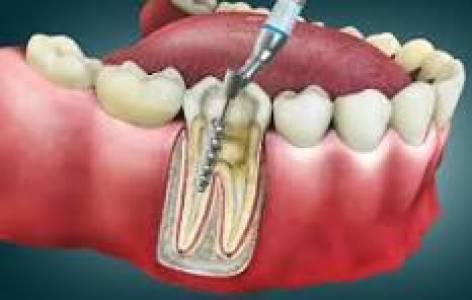
Root Canal Therapy, also known as Endodontic Treatment, is a highly effective and common dental procedure designed to save a tooth that has become severely infected, inflamed, or damaged. When the pulp (the soft tissue inside your tooth containing nerves, blood vessels, and connective tissue) becomes compromised, it can lead to severe pain, abscess formation, and even tooth loss if left untreated. Our advanced root canal therapy aims to alleviate pain, eliminate infection, and preserve your natural tooth structure for years to come.
What Problem Does It Solve?
Root Canal Therapy addresses the critical issue of pulp inflammation or infection caused by:
- Deep decay
- Repeated dental procedures on the same tooth
- A crack or chip in the tooth
- Trauma to the tooth
Left untreated, a damaged pulp can lead to:
- Persistent and severe toothache
- Sensitivity to hot and cold that lingers
- Swelling and tenderness in the surrounding gums
- A pimple-like bump on the gums (dental abscess)
- Discoloration of the tooth
- Bone loss around the tip of the root
Key Features & The Treatment Process
Our Root Canal Therapy follows a meticulous, multi-step process designed for effectiveness and patient comfort:
- Diagnostic Assessment:
- Thorough examination, including digital X-rays and potentially 3D imaging (CBCT scan), to accurately diagnose the extent of the infection and determine the root canal morphology.
- Local Anesthesia:
- Administration of a local anesthetic to completely numb the affected tooth and surrounding area, ensuring a pain-free procedure. Sedation options are also available for anxious patients.
- Access Opening:
- A small, precise opening is created on the crown of the tooth to gain access to the pulp chamber and root canals.
- Pulp Removal & Cleaning:
- The infected or inflamed pulp tissue is carefully removed using specialized instruments.
- The root canals are then thoroughly cleaned, disinfected, and irrigated with antimicrobial solutions to eliminate bacteria and debris.
- Shaping & Preparation:
- The internal walls of the root canals are meticulously shaped to ensure they can be effectively filled and sealed. We often utilize rotary instruments for precise and efficient canal preparation.
- Root Canal Filling (Obturation):
- Once cleaned and shaped, the canals are filled with a biocompatible, rubber-like material called gutta-percha, typically combined with a sealer cement. This material fills the entire length of the canal, preventing re-infection.
- Sealing & Temporary Restoration:
- The access opening is sealed with a temporary filling to protect the tooth until the final restoration can be placed.
- Final Restoration (Post-Root Canal):
- Following the root canal, a permanent restoration – often a dental crown – is usually recommended. This crucial step protects the treated tooth from fracture, restores its strength, and ensures its long-term viability and function.
Benefits of Our Root Canal Therapy
- Exceptional Pain Relief: Eliminates the source of severe toothache and discomfort.
- Tooth Preservation: Saves your natural tooth, preventing the need for extraction.
- Prevents Infection Spread: Stops the spread of bacteria to other teeth, gums, and jawbone.
- Restored Function: Allows you to chew and speak comfortably and naturally.
- Maintains Natural Appearance: Keeps your smile intact without gaps from missing teeth.
- Cost-Effective Long-Term: Often more economical than tooth extraction followed by a bridge or implant.
- Advanced Technology: Utilizes modern equipment (dental operating microscopes, digital X-rays, apex locators) for enhanced precision and success rates.
- Patient-Centered Care: Our experienced team prioritizes your comfort and provides clear communication throughout the process.
Who Needs Root Canal Therapy? (Indications)
You might be a candidate for root canal therapy if you experience:
- Persistent and severe tooth pain that may radiate to your jaw, ear, or head.
- Prolonged sensitivity to hot or cold temperatures, even after the source is removed.
- Tenderness or pain when chewing or applying pressure to the tooth.
- Swelling, tenderness, or a "pimple" (fistula) on the gums near the affected tooth.
- Darkening or discoloration of the tooth.
- Evidence of an abscess on dental X-rays.
Our Commitment to Excellence
At [Your Clinic Name], we are dedicated to providing the highest standard of endodontic care. Our team of skilled endodontists and dental professionals is committed to:
- Precision & Expertise: Utilizing advanced techniques and state-of-the-art technology for accurate diagnosis and successful treatment outcomes.
- Patient Comfort: Offering a gentle approach, effective anesthesia, and options for sedation to ensure a comfortable experience.
- Sterilization & Safety: Adhering to the strictest sterilization protocols to guarantee your safety and prevent cross-contamination.
- Comprehensive Aftercare: Providing clear instructions and support for post-treatment care and follow-up.
What to Expect After Your Root Canal
- Immediate Post-Op: You may experience mild sensitivity or discomfort for a few days, which can be managed with over-the-counter pain relievers.
- Restoration: It is crucial to return for your permanent restoration (usually a crown) as recommended by your dentist to protect the treated tooth.
- Long-Term: With proper care and oral hygiene, a treated tooth can last a lifetime. Regular dental check-ups are essential.
Don't Let Tooth Pain Dictate Your Life.
If you are experiencing severe tooth pain or any of the symptoms listed above, don't delay. Early diagnosis and treatment can prevent further complications and help save your natural tooth.
Schedule Your Consultation Today or Call Us at [Your Phone Number] to discuss if Root Canal Therapy is the right solution for you.
Disclaimer: This information is for educational purposes only and does not constitute medical advice. A proper diagnosis and treatment plan can only be determined by a qualified dental professional after a thorough examination. Individual results may vary.