Description
Here's a detailed product description for "Implants," designed to be comprehensive while acknowledging the broad nature of the term. It focuses on general benefits, types, and considerations, suitable for a company that manufactures a range of implantable medical devices.
Advanced Implants: Restoring Function, Enhancing Life
Introduction
At [Your Company Name], we understand the profound impact that medical conditions and injuries can have on daily life. Our advanced range of implants represents the pinnacle of medical innovation, meticulously engineered to restore function, alleviate pain, and significantly improve the quality of life for patients worldwide. Utilizing state-of-the-art materials and cutting-edge design, our implants are designed to integrate seamlessly with the human body, providing durable, long-lasting solutions for a multitude of medical needs.
Key Features & Benefits
Our commitment to innovation and patient well-being is reflected in every implant we produce:
- Restored Functionality: Regain lost mobility, sensory perception, or organ function, allowing individuals to return to their normal activities.
- Pain Relief: Effectively reduce or eliminate chronic pain associated with degenerative conditions, injuries, or previous surgeries.
- Enhanced Quality of Life: Improve independence, confidence, and overall well-being by addressing underlying medical issues.
- Biocompatible Materials: Manufactured from medical-grade materials such as titanium, medical-grade silicone, ceramics, and advanced polymers, ensuring optimal compatibility with biological tissues and minimizing risk of rejection.
- Precision Engineering: Designed with meticulous attention to anatomical detail and biomechanical principles, ensuring optimal fit, stability, and long-term performance.
- Durability & Longevity: Engineered for resilience and extended lifespan, reducing the need for revision surgeries.
- Customization Options: Many of our implants offer customizable features, allowing for tailored solutions that meet the unique needs of each patient and surgical requirement.
- Minimally Invasive Potential: Advancements in implant design and surgical techniques often allow for less invasive procedures, leading to faster recovery times and reduced post-operative discomfort.
Diverse Applications
The field of implantable devices is vast and continuously evolving. Our product portfolio spans a wide array of medical specialties, addressing critical needs across the body:
1. Orthopedic Implants
- Joint Replacements: Hip, knee, shoulder, and ankle prostheses designed to replace damaged joints and restore mobility for patients suffering from arthritis or severe injuries.
- Spinal Implants: Devices used to stabilize the spine, correct deformities, and alleviate pressure on nerves, including rods, screws, cages, and artificial discs.
- Trauma Implants: Plates, screws, nails, and rods used to stabilize fractured bones and promote proper healing.
2. Dental Implants
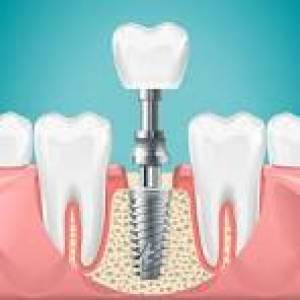
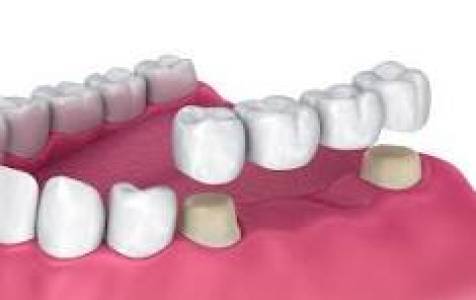
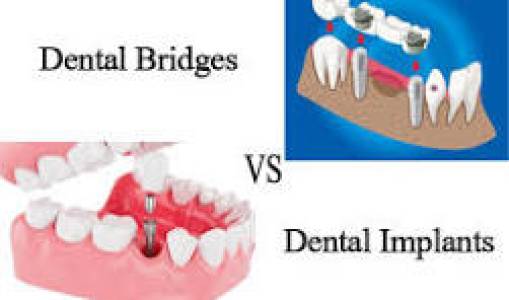
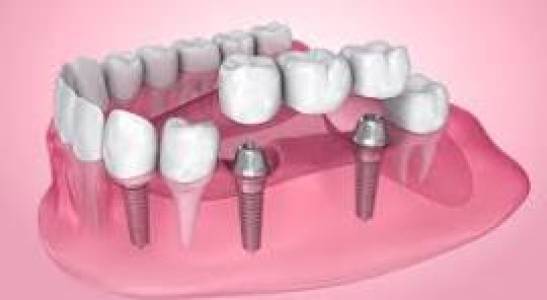
- Tooth Replacements: Titanium posts surgically placed into the jawbone to serve as stable anchors for crowns, bridges, or dentures, offering a permanent solution for missing teeth.
3. Cardiovascular Implants
- Pacemakers & Defibrillators: Devices that regulate heart rhythm and deliver electrical impulses to correct irregular heartbeats.
- Stents: Small tubes inserted into arteries to keep them open and improve blood flow, typically for coronary artery disease.
- Heart Valves: Prosthetic valves to replace diseased or damaged natural heart valves.
4. Neurological & Sensory Implants
- Cochlear Implants: Electronic devices that provide a sense of sound to individuals with severe hearing loss by directly stimulating the auditory nerve.
- Deep Brain Stimulators (DBS): Devices that deliver electrical impulses to specific areas of the brain to treat symptoms of Parkinson's disease, essential tremor, and other neurological conditions.
- Spinal Cord Stimulators (SCS): Devices that deliver mild electrical pulses to the spinal cord to block pain signals for chronic pain management.
5. Reconstructive & Cosmetic Implants
- Breast Implants: Used for breast augmentation or reconstruction following mastectomy.
- Facial Implants: Used to enhance or restore facial contours.
6. Drug Delivery Implants
- Hormone Implants: Small devices that release hormones over an extended period for contraception, hormone replacement therapy, or prostate cancer treatment.
- Pain Pump Implants: Deliver precise doses of medication directly to the spinal fluid for chronic pain management.
Our Commitment to Quality & Safety
[Your Company Name] adheres to the highest international standards for medical device manufacturing. Every implant undergoes rigorous testing, quality control, and sterilization processes to ensure optimal patient safety and product performance. We are proud to be compliant with all relevant regulatory bodies, including [e.g., FDA, CE, ISO 13485], demonstrating our unwavering dedication to excellence in healthcare technology.
The Implantation Process
While specific procedures vary greatly depending on the type of implant, the general process typically involves:
- Consultation & Diagnosis: A thorough evaluation by a qualified medical professional to determine the most appropriate implant and treatment plan.
- Surgical Implantation: The implant is surgically placed by a specialist, often under local or general anesthesia.
- Recovery & Healing: A period of recovery where the body integrates with the implant.
- Rehabilitation: Depending on the implant, physical therapy or follow-up adjustments may be required to maximize functionality and patient comfort.
Who Can Benefit?
Individuals suffering from a wide range of conditions may be candidates for our implants, including those with:
- Degenerative joint diseases (arthritis)
- Severe bone fractures or spinal instability
- Missing teeth or dental trauma
- Chronic heart conditions (arrhythmias, vascular blockages)
- Profound hearing loss
- Neurological disorders (Parkinson's, essential tremor, chronic pain)
- Reconstructive needs following trauma or disease
- Specific aesthetic goals
Please note: The suitability of an implant is determined on an individual basis by a qualified medical professional.
Important Considerations
Choosing an implant is a significant medical decision. It is crucial to have a comprehensive discussion with your healthcare provider about:
- The specific type of implant most suitable for your condition.
- The potential benefits and risks associated with the procedure.
- Expected recovery time and long-term care requirements.
- Alternative treatment options.
- Insurance coverage and costs.
Take the Next Step Towards a Better Life
If you or a loved one are considering an implantable medical device, we encourage you to consult with your physician or a medical specialist to discuss your options and determine if an implant from [Your Company Name] is the right solution for you.
Disclaimer: This information is for general educational purposes only and does not constitute medical advice. Always consult with a qualified medical professional for diagnosis, treatment, and any health-related concerns. Individual results may vary.