Description
Traditional Metal Braces: Your Path to a Confident, Straighter Smile
Are you dreaming of a perfectly aligned smile, free from misaligned teeth, gaps, or bite issues? For decades, traditional metal braces have been the time-tested and most effective solution for achieving remarkable orthodontic transformations. This classic treatment offers a reliable and comprehensive approach to correcting a wide range of dental irregularities, leading to a healthier, more beautiful, and confident smile.
Why Choose Traditional Metal Braces?
Traditional metal braces remain a leading choice for their unparalleled effectiveness and versatility. They offer a host of benefits that make them a preferred option for many patients:
- Unrivaled Effectiveness: Capable of correcting even the most complex orthodontic issues, including severe crowding, spacing, overbites, underbites, and crossbites.
- Time-Tested Reliability: With decades of proven results, traditional braces offer a predictable and highly successful path to a straighter smile.
- Cost-Effective Solution: Often a more budget-friendly option compared to some newer orthodontic treatments, making quality care accessible.
- Durability & Strength: Constructed from high-grade stainless steel, these braces are incredibly robust and designed to withstand the rigors of daily wear.
- Versatile Treatment: Suitable for a wide age range, from pre-teens and teenagers to adults seeking comprehensive smile correction.
- Personalization: While traditional, elastic ties come in a rainbow of colors, allowing patients to personalize their look at each adjustment.
How They Work: The Components
Traditional braces operate through a sophisticated system of carefully engineered components that work in harmony to gently guide your teeth into their optimal positions.
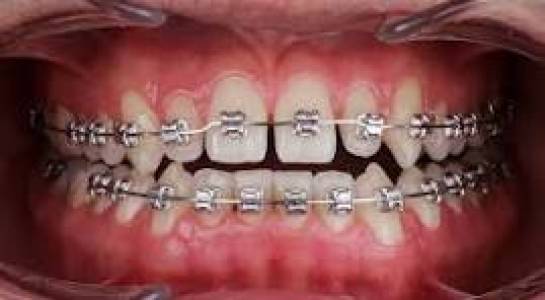
- Brackets: Small, square pieces of medical-grade stainless steel that are carefully bonded to the front surface of each tooth. These act as the anchor points for the entire system.
- Archwire: A thin, flexible metal wire that is threaded through the slots of each bracket. The archwire applies gentle, continuous pressure, dictating the direction and amount of force needed to move the teeth.
- Ligatures (Elastic Ties): Tiny elastic bands (or small wires) that secure the archwire into the brackets. These come in a variety of colors, allowing for personalization.
- Bands (Optional): In some cases, metal rings may be fitted around the back molars to provide additional anchorage and support for the archwire.
- Elastics/Rubber Bands (Inter-arch): Often used later in treatment, these rubber bands stretch between brackets on the upper and lower jaws to correct bite alignment and jaw relationships.
The Treatment Journey: What to Expect
Embarking on your journey with traditional braces involves several key stages, each designed to progress your smile towards its perfect alignment:
- Initial Consultation: Your orthodontist will conduct a thorough examination, including X-rays, digital scans, and photos, to assess your oral health and create a personalized treatment plan.
- Braces Placement: The brackets are carefully bonded to your teeth, and the archwire is threaded through them. This process is generally pain-free, though you might experience some initial pressure.
- Regular Adjustments: You'll visit your orthodontist every 4-8 weeks for adjustments. During these appointments, the archwire may be tightened or replaced, and elastics might be changed to continue applying the necessary forces.
- Active Treatment Phase: This is the period where your teeth are actively moving. The duration varies depending on the complexity of your case, typically ranging from 18 to 36 months.
- Braces Removal: Once your teeth have reached their ideal positions, the braces are carefully removed to reveal your stunning new smile.
- Retention Phase: This crucial final stage involves wearing a retainer (fixed or removable) to prevent your teeth from shifting back to their original positions. This is vital for maintaining your results long-term.
Who Can Benefit?
Traditional metal braces are highly effective for correcting a wide range of orthodontic issues in children, teenagers, and adults, including:
- Crooked or Rotated Teeth: Aligning teeth for a uniform appearance.
- Gaps (Diastema): Closing spaces between teeth.
- Overcrowding: Creating space and aligning teeth when there isn't enough room.
- Overbite: When the upper front teeth significantly overlap the lower front teeth.
- Underbite: When the lower front teeth extend beyond the upper front teeth.
- Crossbite: When some upper teeth bite inside the lower teeth.
- Open Bite: When the front teeth don't meet when the mouth is closed.
- Jaw Misalignment: Correcting issues with the way the upper and lower jaws fit together.
Living with Braces: What to Expect During Treatment
While the thought of braces might seem daunting, adapting to them is often easier than expected:
- Initial Discomfort: You may experience some soreness and tenderness in your teeth and gums for a few days after placement and after each adjustment as your teeth begin to move. Over-the-counter pain relievers can help.
- Dietary Modifications: You'll need to avoid certain foods that can damage your braces, such as sticky candies, hard nuts, popcorn, and chewy bagels. Crunchy fruits and vegetables should be cut into small pieces.
- Oral Hygiene: Maintaining excellent oral hygiene is paramount. Special brushing and flossing techniques (often with interdental brushes or floss threaders) are required to clean around brackets and wires effectively.
- Speech Adjustment: You might notice a slight temporary change in your speech as your tongue adapts to the presence of braces.
- Sporting Activities: If you play contact sports, a mouthguard is essential to protect your braces and teeth from injury.
The Outcome: A Smile That Lasts a Lifetime
Completing your traditional braces treatment delivers more than just aesthetic improvements. You'll achieve:
- A straighter, more functional, and aesthetically pleasing smile you'll be proud to show off.
- Improved oral health, as properly aligned teeth are easier to clean, reducing the risk of decay and gum disease.
- Better bite function, making chewing and speaking more comfortable and efficient.
- A significant boost in self-confidence and overall well-being.
Ready to Transform Your Smile?
If you're considering orthodontic treatment and believe traditional metal braces are the right choice for you or your loved one, we invite you to take the next step.
Schedule a consultation with our experienced orthodontic team today! We'll assess your individual needs, answer all your questions, and design a personalized treatment plan to help you achieve the healthy, beautiful smile you deserve.
Contact us today to embark on your journey to a brilliant new smile!
[Your Clinic Name/Website/Phone Number Here]