Description
Here's a detailed product description for a root canal treatment, formatted in Markdown:
Root Canal Treatment: Restore Your Smile, Eliminate Pain
Is Persistent Tooth Pain Dictating Your Life?
If you're experiencing severe toothache, prolonged sensitivity to hot or cold, tenderness when chewing, or gum swelling, you might have an infection or inflammation deep within your tooth. Don't let the fear of a root canal prevent you from finding relief. Modern endodontic (root canal) treatment is a safe, effective, and often pain-free procedure designed to save your natural tooth and restore your oral health.
What is a Root Canal (Endodontic Treatment)?
A root canal is a dental procedure that removes infected or damaged pulp from inside your tooth, disinfects the inner chamber, and then fills and seals it. The pulp is the soft tissue inside your tooth containing nerves, blood vessels, and connective tissue. When it becomes inflamed or infected, it can cause excruciating pain and, if left untreated, lead to an abscess, bone loss, and even necessitate tooth extraction.
Our goal is to save your natural tooth, alleviating pain and preventing the spread of infection, allowing you to maintain your natural smile and biting function.
Why Might You Need a Root Canal?
You may require a root canal if the pulp of your tooth becomes damaged due to:
- Deep Decay: Extensive cavities that penetrate into the pulp chamber.
- Cracked or Chipped Tooth: Injuries that expose the pulp to bacteria.
- Trauma: A blow to the tooth, even without visible damage, can injure the pulp.
- Repeated Dental Procedures: Multiple fillings or repairs on the same tooth can sometimes irritate the pulp.
- Gum Disease: Advanced periodontal disease can sometimes affect the tooth's root.
Common Symptoms That Indicate a Need for Root Canal Treatment:
- Severe, persistent toothache that doesn't go away, often throbbing or pulsating.
- Prolonged sensitivity to hot or cold temperatures, even after the source is removed.
- Tenderness or pain when chewing or applying pressure.
- Pimples or boils on the gums (a fistula or abscess).
- Swelling or tenderness in the nearby gums.
- Discoloration of the tooth (darkening).
The Benefits of a Root Canal
Choosing a root canal over extraction offers numerous advantages:
- Eliminates Pain & Infection: Directly targets the source of discomfort and clears bacterial infection.
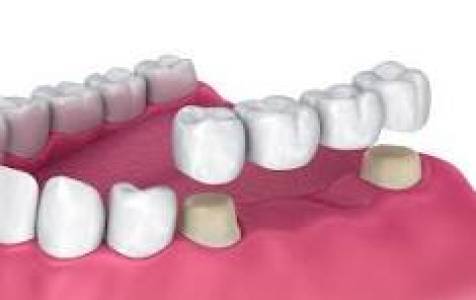
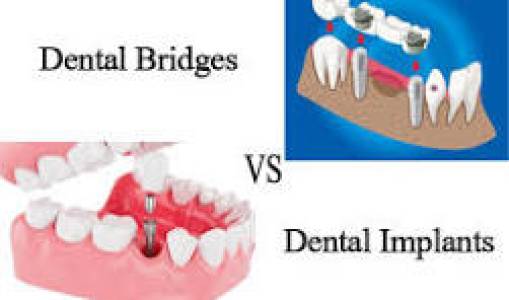
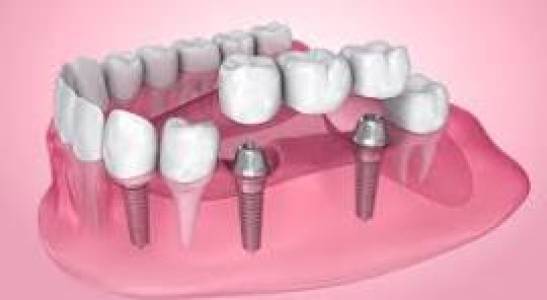
- Saves Your Natural Tooth: Preserves your natural tooth structure, preventing the need for bridges or implants.
- Maintains Natural Appearance: Keeps your smile looking natural.
- Restores Chewing Efficiency: Allows you to continue eating your favorite foods without pain.
- Protects Adjacent Teeth: Prevents shifting of neighboring teeth that can occur after an extraction.
- Cost-Effective Long-Term: Often more economical than replacing an extracted tooth with an implant or bridge.
- Prevents Further Health Issues: Stops the spread of infection to other parts of your body.
The Root Canal Procedure: What to Expect
We prioritize your comfort and understanding throughout every step of the process. The procedure typically involves 1-2 appointments:
1. Diagnosis & Anesthesia
- Detailed Examination: We'll perform a thorough exam, including X-rays, to accurately diagnose the problem.
- Local Anesthesia: The affected tooth and surrounding area will be completely numbed, ensuring a pain-free experience. Many patients report feeling no more than a routine filling.
2. Isolation & Access
- Dental Dam: A small protective sheet (dental dam) is placed around the tooth to isolate it, keeping it clean and free from saliva during the procedure.
- Access Opening: A small opening is made in the crown of the tooth to access the pulp chamber and root canals.
3. Cleaning & Shaping
- Pulp Removal: Using tiny, flexible instruments (files), the infected or inflamed pulp is carefully removed from the pulp chamber and root canals.
- Disinfection: The root canals are thoroughly cleaned, shaped, and irrigated with an antiseptic solution to remove bacteria and debris.
4. Filling & Sealing
- Gutta-Percha: Once the canals are clean and dry, they are filled with a biocompatible, rubber-like material called gutta-percha.
- Sealing: A special adhesive cement is used to seal the canals completely, preventing re-infection.
5. Final Restoration (Crown)
- Temporary Filling: A temporary filling is placed in the access opening to protect the tooth between appointments.
- Permanent Restoration: In most cases, a dental crown is recommended after a root canal. This permanent restoration protects the weakened tooth from future fracture, especially for back teeth that endure significant chewing forces. We'll discuss the best restorative option for your tooth.
Comfort & Advanced Techniques
We understand the apprehension often associated with root canals. Our practice utilizes:
- Gentle Anesthesia Techniques: Ensuring profound numbness for a comfortable experience.
- Rotary Endodontics: Using advanced rotary instruments for more efficient and precise cleaning and shaping of the canals.
- Digital X-Rays: Providing instant, high-quality images with minimal radiation.
- Comfort Amenities: To help you relax during your visit (e.g., music, blankets, sedation options if appropriate).
- Experienced & Compassionate Team: Our dentists are highly skilled in modern endodontic techniques, and our staff is dedicated to making your visit as stress-free as possible.
After Your Root Canal
- Mild Sensitivity: It's normal to experience some mild sensitivity or discomfort for a few days, which can usually be managed with over-the-counter pain relievers.
- Avoid Chewing: Avoid chewing on the treated tooth until your permanent crown or filling is placed.
- Oral Hygiene: Continue your regular brushing and flossing routine.
- Follow-Up: Attend all scheduled follow-up appointments, especially for your final crown placement.
With proper care and good oral hygiene, a treated tooth can last a lifetime!
Frequently Asked Questions (FAQ)
Q: Is a root canal painful?
A: No, thanks to modern anesthetics and techniques, the procedure itself is typically no more uncomfortable than having a filling. Our priority is your comfort throughout the entire process.
Q: How long does a root canal take?
A: A single root canal appointment usually takes between 60 to 90 minutes, depending on the complexity of the tooth. Some complex cases may require two visits.
Q: How long will the treated tooth last?
A: With proper restoration (often a crown) and good oral hygiene, a tooth treated with a root canal can last for many years, even a lifetime.
Q: What are the alternatives to a root canal?
A: The only true alternative to a root canal is tooth extraction. However, saving your natural tooth is always the preferred option as it prevents other issues like shifting teeth, difficulty chewing, and the need for more complex and costly tooth replacement procedures (like implants or bridges).
Ready to Find Relief?
Don't live with dental pain any longer. If you suspect you need a root canal or are experiencing any of the symptoms mentioned above, contact us today for a consultation. Our compassionate team is here to answer your questions and provide the gentle, effective care you deserve.
[Your Clinic Name] [Your Clinic Address] [Your Clinic Phone Number] [Your Clinic Website] [Your Clinic Email]
Disclaimer: This product description provides general information about root canal treatment. Individual treatment plans and outcomes may vary. A thorough dental examination and consultation are required to determine the best course of action for your specific needs.