Description
Here's a detailed product description for "Implants," designed to be comprehensive yet flexible enough to apply to various types of medical implants, while emphasizing their general benefits and characteristics.
Advanced Medical Implants: Restoring Function & Enhancing Life
Overview
Medical implants represent a pinnacle of modern healthcare technology, meticulously engineered devices designed to replace, support, or enhance biological structures within the human body. From restoring mobility with orthopedic joint replacements to improving sensory perception with cochlear implants, or creating durable dental restorations, our range of advanced implants is dedicated to alleviating pain, restoring critical functions, and significantly improving the overall quality of life for patients worldwide.
Each implant is a testament to precision engineering, biocompatible material science, and rigorous safety standards, crafted to integrate seamlessly with the body and provide long-lasting, reliable performance. We are committed to innovation that empowers patients to regain independence, comfort, and confidence.
Key Features
- Superior Biocompatibility: Manufactured from medical-grade materials such as titanium alloys, ceramics, and specialized polymers that are meticulously selected for their proven compatibility with human tissue, minimizing the risk of adverse reactions or rejection.
- Precision Engineering & Design: Utilizing state-of-the-art CAD/CAM technologies and advanced manufacturing processes (including 3D printing) to create implants with optimal anatomical fit, structural integrity, and long-term durability.
- Enhanced Longevity & Durability: Engineered to withstand the rigors of daily physiological stresses, providing a robust and enduring solution designed for years, if not decades, of reliable function.
- Optimized Surface Technology: Featuring specialized surface treatments (e.g., porous coatings, hydroxyapatite coatings, micro-textures) to promote osseointegration (bone fusion) or soft tissue integration, facilitating stable and natural biological incorporation.
- Rigorous Sterilization & Quality Control: Every implant undergoes stringent sterilization protocols and adheres to the highest international quality management systems (e.g., ISO 13485) to ensure patient safety and product efficacy.
- Versatile Range: Offering a diverse portfolio that addresses various medical needs, including but not limited to:
- Orthopedic: Joint replacements (hip, knee, shoulder), spinal fixation devices, fracture repair plates and screws.
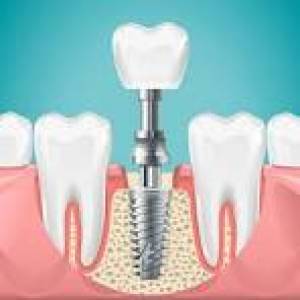
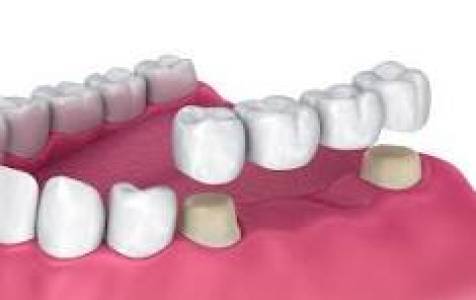
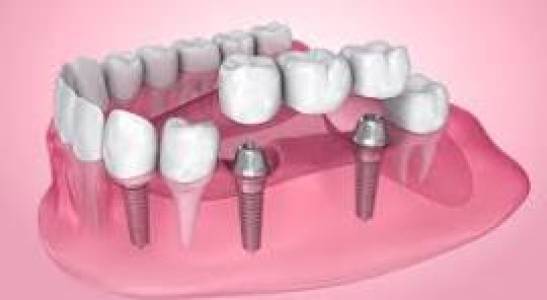
- Dental: Root implants, abutments, and prosthetics for comprehensive oral rehabilitation.
- Cardiovascular: Pacemakers, defibrillators, vascular stents.
- Neurological: Deep brain stimulators, vagus nerve stimulators.
- Sensory: Cochlear implants, intraocular lenses.
- Reconstructive/Cosmetic: Breast implants, tissue expanders.
Benefits & Advantages
- Restoration of Function: Effectively replaces damaged or diseased tissues, enabling patients to regain mobility, mastication, sensory perception, or internal organ support.
- Significant Pain Relief: Alleviates chronic pain caused by damaged joints, nerves, or other bodily structures, leading to a profound improvement in daily comfort.
- Improved Quality of Life: Empowers patients to return to activities they enjoy, fostering greater independence, social engagement, and overall well-being.
- Long-Term Solution: Designed to be a durable and sustainable solution, reducing the need for repeated interventions and offering lasting relief.
- Enhanced Aesthetics & Confidence: For visible implants (like dental or some reconstructive implants), they can restore natural appearance, boosting self-esteem and social confidence.
- Biologically Compatible Integration: Designed to encourage natural tissue growth and integration, leading to a more stable and physiological outcome.
Advanced Technology & Materials
Our implants leverage cutting-edge advancements in material science and engineering:
- Biomaterials: Utilizing highly inert and strong materials such as medical-grade Titanium (Grade 4 & 5), Cobalt-Chrome alloys, Stainless Steel (316L), Zirconia, PEEK (Polyether ether ketone), and medical-grade Silicone.
- Surface Modification: Advanced techniques like plasma spraying, anodic oxidation, and acid etching create specific micro and nano-surfaces that promote cell adhesion and biological integration.
- Customization & Personalization: Increasingly, implants can be custom-designed using patient-specific imaging data (CT/MRI) and 3D printing for a truly personalized fit and optimal outcomes, particularly in complex orthopedic or craniofacial cases.
- Smart Implant Technology: Exploring integration of sensors for monitoring, drug delivery systems, and wireless communication capabilities for next-generation implantable devices.
Indications for Use
Implants are indicated for individuals experiencing:
- Loss of natural teeth or bone structures.
- Degenerative joint diseases (e.g., osteoarthritis, rheumatoid arthritis).
- Fractures or trauma requiring internal fixation.
- Cardiovascular conditions necessitating device support.
- Neurological disorders amenable to stimulation.
- Sensory impairments (hearing, vision).
- Reconstructive needs following injury, disease, or congenital conditions.
The specific indication for any implant is determined by a qualified medical professional based on a thorough patient evaluation, diagnostic imaging, and clinical assessment.
Important Considerations
- Professional Consultation is Essential: The decision to receive an implant is a significant medical choice that must be made in consultation with a qualified physician or specialist who can assess individual needs, discuss risks and benefits, and recommend the most appropriate solution.
- Potential Risks: As with any surgical procedure, implant placement carries potential risks, including infection, nerve damage, implant failure, allergic reactions, and the need for revision surgery. Your healthcare provider will fully explain these risks.
- Patient-Specific Outcomes: Results can vary based on individual patient health, adherence to post-operative care instructions, and the specific type of implant and procedure.
- Post-Operative Care: Adherence to rehabilitation protocols and follow-up appointments is crucial for successful integration and long-term performance of the implant.
Learn More
To understand how our advanced medical implants can contribute to a healthier, more active life, we encourage you to speak with your physician or specialist. For healthcare professionals seeking detailed product specifications, clinical data, or training opportunities, please explore our dedicated product lines or contact our expert support team directly.