Description
Here's a detailed product description for Root Canal Treatment (Endodontics) in Markdown format, suitable for a dental practice's website or patient information brochure.
Root Canal Treatment (Endodontics): Save Your Natural Smile & End Your Pain
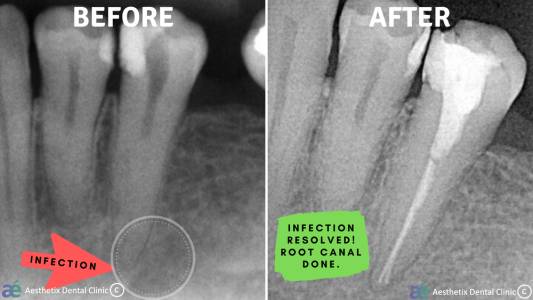
Are you experiencing persistent tooth pain, sensitivity to hot or cold, or swelling around a tooth? These could be signs of an infection or inflammation deep within your tooth's pulp – the soft tissue containing nerves and blood vessels. Left untreated, this condition can lead to severe pain, abscess formation, and even the loss of your tooth.
At [Your Clinic Name], we specialize in Root Canal Treatment (Endodontics), a highly effective and routine procedure designed to relieve pain, eliminate infection, and save your natural tooth.
What is Root Canal Treatment (Endodontics)?
Root Canal Treatment is a specialized dental procedure performed to remove infected or inflamed pulp from the inside of a tooth. The procedure involves:
- Cleaning and Disinfecting: The tooth's pulp chamber and root canals are thoroughly cleaned and disinfected.
- Shaping: The canals are carefully shaped to prepare them for filling.
- Filling and Sealing: The cleaned canals are filled with a biocompatible material (gut-percha) and sealed to prevent future infection.
- Restoration: The tooth is then restored with a filling or a crown to protect it and return it to full function.
Often misunderstood, modern root canal treatments are comparable to routine dental fillings in terms of comfort, thanks to advanced techniques and effective local anesthesia.
The Benefits of Choosing Root Canal Treatment:
- Eliminates Pain: Effectively relieves the severe pain caused by infected or inflamed pulp.
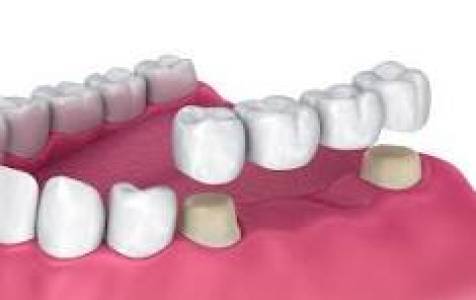
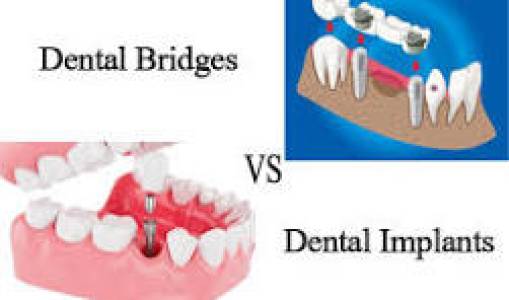
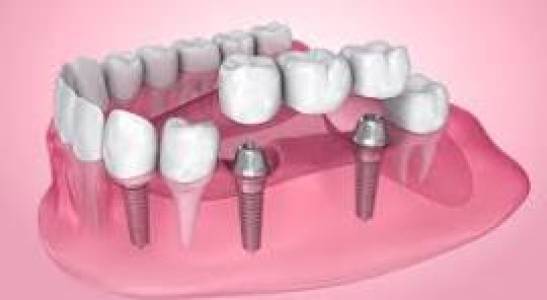
- Saves Your Natural Tooth: Preserves your natural tooth, avoiding the need for extraction and subsequent replacement options like bridges or implants.
- Prevents Infection Spread: Stops the infection from spreading to other teeth or surrounding bone tissue.
- Maintains Oral Health: Keeps your smile intact, maintains chewing function, and prevents adjacent teeth from shifting.
- Long-Lasting Solution: With proper care and a final restoration (often a crown), a treated tooth can last a lifetime.
Our Commitment to Exceptional Endodontic Care:
At [Your Clinic Name], we are dedicated to providing the highest standard of endodontic care.
Expertise You Can Trust:
Our team of [Dentists/Endodontists] has extensive training and experience in performing complex root canal procedures, ensuring precise and predictable outcomes. We stay abreast of the latest advancements in endodontic science and technology.
Advanced Technology for Precision & Comfort:
We utilize state-of-the-art equipment to enhance the accuracy, efficiency, and comfort of your treatment, including:
- Dental Operating Microscopes: For magnified vision and illumination, allowing us to see intricate details of the root canal system.
- Digital X-rays: Providing immediate, high-resolution images with minimal radiation exposure.
- Rotary Endodontic Instruments: For efficient and thorough cleaning and shaping of the root canals.
- Apex Locators: Electronic devices that precisely measure the length of the root canal.
Patient Comfort Focus:
Your comfort is our top priority. We offer:
- Gentle Anesthesia: Ensuring a pain-free procedure.
- Sedation Options: Available for anxious patients to help you relax throughout your visit.
- Comfortable Environment: Our office is designed to provide a calming and welcoming atmosphere.
Meticulous Sterilization:
We adhere to the highest standards of sterilization and infection control to ensure your safety and well-being.
Comprehensive Care & Follow-Up:
From your initial diagnosis to your final restoration, we guide you through every step of the process. We also coordinate with your general dentist for the placement of your permanent crown or filling to ensure the long-term success of your treated tooth.
Understanding Your Root Canal Procedure:
Step-by-Step Overview:
- Diagnosis: We perform a thorough examination, including X-rays and vitality tests, to confirm the need for root canal treatment.
- Anesthesia: Local anesthetic is administered to ensure the tooth and surrounding area are completely numb.
- Isolation: A rubber dam is placed around the tooth to keep it clean and dry during the procedure.
- Access Opening: A small opening is made in the crown of the tooth to access the pulp chamber and root canals.
- Cleaning & Shaping: The infected pulp is removed, and the canals are cleaned, shaped, and disinfected.
- Filling & Sealing: The cleaned canals are filled with a biocompatible material (gut-percha) and sealed to prevent reinfection.
- Temporary Filling: A temporary filling is placed to protect the tooth until a permanent restoration (like a crown) can be placed by your general dentist.
What to Expect: Before, During, and After
Before Your Appointment:
- We'll discuss your symptoms, medical history, and treatment options.
- Feel free to ask any questions you have – we're here to provide clarity and reassurance.
During the Procedure:
- You will be comfortable and pain-free, thanks to effective local anesthesia.
- The procedure typically takes one to two appointments, depending on the complexity of the tooth.
After Your Treatment:
- It's normal to experience some mild soreness or sensitivity for a few days, which can be managed with over-the-counter pain relievers.
- Avoid chewing on the treated tooth until your permanent restoration is placed.
- Your general dentist will place the final crown or filling, which is crucial for protecting the tooth and restoring its full function.
Is Root Canal Treatment Right for You? Common Signs & Symptoms:
You might need a root canal if you experience any of the following:
- Persistent Toothache: Moderate to severe pain that doesn't go away.
- Sensitivity: Lingering sensitivity to hot or cold temperatures.
- Swelling: Tenderness or swelling in the gums near the affected tooth.
- Pimple on the Gums: A recurring "pimple" or lesion on the gums, indicating an infection draining.
- Tooth Discoloration: Darkening of the tooth.
- Pain Upon Biting: Discomfort when chewing or applying pressure to the tooth.
Don't Delay: The Importance of Timely Treatment
Delaying root canal treatment can lead to more severe problems, including:
- Worsening infection and pain.
- Spread of infection to other areas of your face, neck, or head.
- Bone loss around the tooth.
- The eventual need for tooth extraction, which can be more costly and complex to replace.
Take the First Step Towards a Pain-Free Smile
If you are experiencing any symptoms that suggest you might need a root canal, don't wait. Contact [Your Clinic Name] today to schedule a consultation. Our compassionate team is here to answer your questions, ease your concerns, and provide the expert care you need to restore your oral health and comfort.
[Your Clinic Name] [Your Clinic Address] [Your Clinic Phone Number] [Your Clinic Email Address] [Your Clinic Website]
Important Disclaimer:
This product description is for informational purposes only and does not constitute medical advice. A proper diagnosis and treatment plan can only be made by a qualified dental professional after a thorough examination.