Description
Here's a detailed product description for Tooth Fillings, formatted in Markdown:
Restore Your Smile & Protect Your Oral Health with Our Advanced Tooth Fillings
Dental cavities and minor damage can compromise your oral health, lead to pain, and impact your confidence. At [Your Dental Clinic Name], we offer a comprehensive range of advanced tooth fillings designed to effectively restore the integrity, function, and aesthetics of your teeth.
What Are Tooth Fillings?
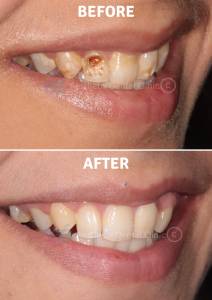
Tooth fillings are a common dental restorative procedure used to repair teeth damaged by decay, cracks, or fractures. The process involves removing the decayed or damaged portion of the tooth, thoroughly cleaning the affected area, and then filling the prepared space with a suitable restorative material. This procedure helps prevent further damage, alleviates pain and sensitivity, and restores the tooth's natural shape and function.
Why Choose Our Tooth Fillings?
Investing in high-quality tooth fillings offers numerous benefits:
- Restores Tooth Structure: Effectively repairs damage, preventing further deterioration of the tooth.
- Prevents Further Decay: By sealing off spaces where bacteria can enter, fillings stop the progression of cavities.
- Alleviates Pain & Sensitivity: Eliminates discomfort caused by exposed dentin and nerve irritation due to decay.
- Enhances Aesthetics: With modern, tooth-colored options, fillings can seamlessly blend with your natural teeth, improving your smile.
- Improves Chewing Function: Restores the tooth's natural biting surface, allowing for comfortable and efficient chewing.
- Durable & Long-Lasting: Our selection of high-quality materials ensures your fillings provide years of reliable service.
Types of Tooth Filling Materials
We offer a variety of filling materials, each with unique characteristics to suit different needs, budgets, and aesthetic preferences. Your dentist will discuss the best option for your specific case.
1. Composite Resin Fillings (Tooth-Colored)
- Description: Made from a mixture of plastic and fine glass particles, these fillings are designed to match the color of your natural teeth, making them virtually invisible.
- Benefits:
- Aesthetically Pleasing: Blends seamlessly with surrounding teeth.
- Versatile: Can be used for front and back teeth, for small to medium cavities, and to repair chipped teeth.
- Bonds Directly: Chemically bonds to the tooth structure, providing additional support.
- Minimally Invasive: Requires less removal of healthy tooth structure compared to amalgam.
- Considerations: May be less durable than amalgam for very large fillings in high-pressure areas, and can be more susceptible to staining over time.
2. Amalgam Fillings (Silver Fillings)
- Description: A traditional and highly durable filling material made from a mixture of metals, including silver, tin, copper, and mercury.
- Benefits:
- Exceptional Durability: Very strong and can withstand heavy chewing forces for many years.
- Cost-Effective: Generally less expensive than composite or ceramic fillings.
- Reliable: A time-tested material with a proven track record of longevity.
- Considerations: Noticeable silver color, does not blend with natural teeth. The mercury content is a common concern for some patients, though major dental and health organizations (like the FDA) consider dental amalgam safe for adults and children over six.
3. Ceramic (Porcelain) Fillings
- Description: Custom-made porcelain inlays or onlays fabricated in a dental lab, then bonded to the tooth.
- Benefits:
- Superior Aesthetics: Mimic the natural translucency and appearance of tooth enamel more closely than composite.
- Highly Durable: Very strong and resistant to staining and wear.
- Biocompatible: Well-tolerated by gum tissue.
- Considerations: More expensive than composite or amalgam, and typically requires at least two dental visits for preparation and placement.
4. Gold Fillings
- Description: Fabricated as custom-made inlays or onlays from gold alloy.
- Benefits:
- Outstanding Durability: Extremely long-lasting and resistant to corrosion.
- Strength: Can withstand very strong chewing forces.
- Biocompatible: Well-tolerated by gum tissue.
- Considerations: Very expensive, noticeable gold color, and requires multiple dental visits. Less commonly chosen today due to aesthetics and cost.
5. Glass Ionomer Fillings (GI)
- Description: Made from acrylic and a component of glass, these fillings release fluoride.
- Benefits:
- Fluoride Release: Helps prevent further decay around the filling.
- Biocompatible: Gentle on tooth tissue.
- Good for Children: Often used in primary teeth or in areas not subject to heavy chewing.
- Considerations: Less durable and more prone to wear than composite, amalgam, or ceramic. Primarily used for small, non-load-bearing areas or as a temporary solution.
The Tooth Filling Procedure
The process of getting a tooth filling is generally straightforward and completed in a single visit for most materials:
- Diagnosis & Preparation: Your dentist will examine your teeth, possibly using X-rays to confirm the presence and extent of decay. A local anesthetic is administered to numb the area around the affected tooth.
- Decay Removal: The decayed or damaged tooth material is carefully removed using a dental drill or laser.
- Cleaning & Shaping: The prepared cavity is thoroughly cleaned to remove bacteria and debris. The tooth is then shaped to ensure proper fit and retention of the filling material.
- Material Application:
- Composite: Applied in layers, each hardened with a special light (curing).
- Amalgam: Packed into the cavity and then carved into the correct shape before hardening.
- Ceramic/Gold: (For inlays/onlays) After preparation, an impression is taken, and a temporary filling is placed. The permanent restoration is fabricated in a lab and cemented in a subsequent visit.
- Curing & Polishing: The filling is hardened (if applicable) and then carefully shaped, trimmed, and polished to ensure a comfortable bite and smooth surface.
Aftercare and Maintenance
To ensure the longevity of your tooth fillings and maintain optimal oral health:
- Avoid Chewing Immediately: Follow your dentist's instructions regarding when you can chew on the filled tooth (especially with amalgam).
- Maintain Excellent Oral Hygiene: Brush twice daily, floss once a day, and use an antiseptic mouthwash to prevent new decay.
- Regular Dental Check-ups: Visit us every six months for professional cleanings and examinations. Your dentist will check the condition of your fillings.
- Watch for Sensitivity: Mild sensitivity to hot or cold is common after a filling but should subside within a few days or weeks. Contact us if sensitivity persists or worsens.
- Avoid Habits that Damage Teeth: Refrain from chewing on ice, hard candies, or using your teeth as tools.
Who Can Benefit from Tooth Fillings?
Tooth fillings are an ideal solution for individuals experiencing:
- Tooth decay (cavities)
- Chipped or fractured teeth
- Worn-down tooth surfaces
- Minor aesthetic concerns that can be addressed by composite bonding
Schedule Your Consultation Today
Don't let dental problems compromise your health or your smile. If you suspect you have a cavity or damaged tooth, contact [Your Dental Clinic Name] today to schedule a comprehensive examination. Our experienced team will assess your needs and recommend the best tooth filling solution for you.
Disclaimer: The information provided in this product description is for general educational purposes only and does not constitute medical advice. Please consult with a qualified dental professional for diagnosis, treatment, and personalized recommendations regarding your specific oral health needs.