Description
Here's a detailed product description for Root Canal Treatment in Markdown format, suitable for a dental practice website or informational brochure.
Root Canal Treatment (Endodontics)
Preserve Your Natural Smile & Find Lasting Relief
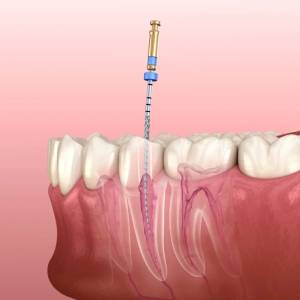
Root Canal Treatment, also known as Endodontic Therapy, is a highly effective and common dental procedure designed to save a tooth that has become infected or severely decayed. Instead of extracting the damaged tooth, this treatment removes the inflamed or infected pulp, cleans and shapes the inside of the root canal, and then fills and seals the space. The result? Pain relief, prevention of further infection, and the preservation of your natural tooth for years to come.
What is a Root Canal?
Inside each tooth, beneath the hard enamel and dentin layers, lies a soft tissue called the pulp. This pulp contains nerves, blood vessels, and connective tissue, and extends from the crown of the tooth down to the tip of its roots. When the pulp becomes infected or inflamed due due to deep decay, repeated dental procedures, cracks, or trauma, it can cause severe pain and, if left untreated, lead to an abscess, bone loss, and eventually tooth loss.
Root Canal Treatment addresses this by:
- Removing the compromised pulp.
- Cleaning and Disinfecting the inside of the tooth.
- Filling and Sealing the root canal system to prevent future infection.
Key Benefits of Root Canal Treatment:
- Eliminates Pain: The primary benefit is relief from the severe pain caused by an infected tooth.
- Saves Your Natural Tooth: Avoids the need for extraction, preserving your natural smile and bite.
- Prevents Spread of Infection: Stops the infection from spreading to other teeth, gums, and even into your jawbone.
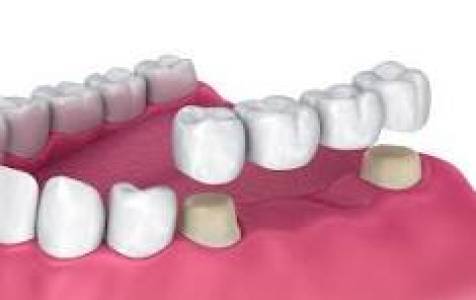
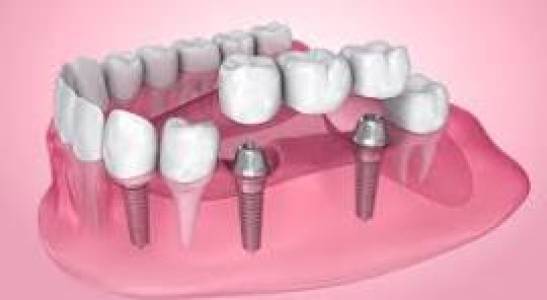
- Maintains Natural Appearance: Keeps your natural tooth, avoiding gaps or the need for a bridge/implant.
- Restores Normal Function: Allows you to chew and speak normally again without discomfort.
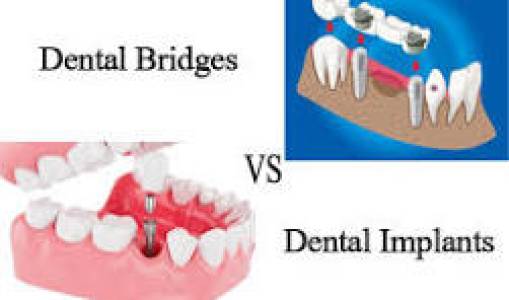
- Cost-Effective Long-Term: Often less expensive than replacing an extracted tooth with an implant or bridge.
- High Success Rate: With modern techniques, root canal treatments have a very high success rate.
Do You Need a Root Canal? Common Symptoms:
It's crucial to seek dental attention if you experience any of the following symptoms, which may indicate the need for a root canal:
- Persistent or Severe Toothache: Especially pain that radiates to your jaw, ear, or temple, or worsens when you lie down.
- Prolonged Sensitivity: Lingering sensitivity to hot or cold temperatures, even after the source is removed.
- Swelling and Tenderness: Swelling in the gums, face, or neck, or tenderness when chewing or touching the affected tooth.
- Pimple on the Gums (Fistula): A persistent or recurring "pimple" on the gums, which may release pus. This indicates an abscess.
- Tooth Discoloration: Darkening or grayish discoloration of the tooth.
- Pain Upon Biting or Chewing: Discomfort or pain when putting pressure on the tooth.
- Chipped or Cracked Tooth: Even without pain, deep cracks can expose the pulp to infection.
The Root Canal Procedure: What to Expect
Root canal treatment is typically completed in one or two appointments, depending on the complexity of the case and the extent of the infection.
- Diagnosis & Anesthesia:
- We'll take X-rays and perform a thorough examination to confirm the diagnosis.
- Local anesthesia will be administered to numb the tooth and surrounding area, ensuring a pain-free experience during the procedure.
- Access Opening:
- A small opening is made in the crown of the tooth to access the pulp chamber and root canals.
- Pulp Removal & Cleaning:
- Tiny, flexible instruments are used to carefully remove the infected or inflamed pulp tissue from inside the root canals.
- The canals are then meticulously cleaned, shaped, and disinfected using specialized solutions to remove bacteria and debris.
- Filling & Sealing:
- Once the canals are thoroughly clean and dry, they are filled with a biocompatible, rubber-like material called gutta-percha, which is sealed in place with an adhesive cement. This prevents re-infection.
- Temporary Filling:
- A temporary filling is placed in the access opening to protect the tooth until the final restoration.
- Final Restoration (Crown Recommendation):
- After your root canal is complete, it is crucial to return for a permanent restoration. In most cases, a dental crown is recommended to protect the treated tooth from future fractures, restore its full function, and ensure its long-term success.
Why Choose [Your Practice Name] for Your Root Canal Treatment?
- Experienced & Gentle Dentists/Endodontists: Our team is highly skilled in performing root canal treatments with precision and a gentle touch, prioritizing your comfort.
- State-of-the-Art Technology: We utilize advanced equipment, including digital X-rays and [e.g., dental operating microscopes, rotary endodontics], for accurate diagnosis and efficient treatment.
- Patient-Centered Care: We understand dental anxiety. Our compassionate staff will guide you through every step, answering your questions and ensuring a stress-free experience.
- Comfort Options: [Mention specific comfort options, e.g., sedation dentistry, noise-cancelling headphones, blankets].
- Comprehensive Follow-Up: We provide clear aftercare instructions and schedule follow-up appointments to ensure your full recovery and the long-term health of your treated tooth.
- Sterile Environment: Your safety is paramount. We adhere to the highest standards of sterilization and infection control.
Aftercare & Recovery:
- It's normal to experience some mild soreness or sensitivity for a few days after the procedure, which can typically be managed with over-the-counter pain relievers.
- Avoid chewing on the treated tooth until your permanent crown or filling is placed to prevent damage.
- Maintain excellent oral hygiene, including regular brushing and flossing.
- Attend your scheduled follow-up appointments, especially for the placement of your final restoration.
Frequently Asked Questions (FAQs):
Q: Is a root canal painful? A: No, thanks to modern anesthetics and techniques, root canal treatment is no more uncomfortable than having a regular filling. The procedure itself relieves the pain caused by the infection.
Q: How long does a root canal take? A: Typically, a root canal can be completed in one to two appointments, each lasting between 60 to 90 minutes, depending on the tooth's complexity and the extent of the infection.
Q: What happens if I don't get a root canal? A: If left untreated, the infection will spread, potentially leading to an abscess, bone loss, severe pain, and eventually, the need for tooth extraction.
Q: Do I always need a crown after a root canal? A: While not every tooth requires a crown, it is highly recommended for most teeth, especially molars and premolars. A crown provides essential protection, strength, and restores the tooth's full function, significantly increasing its long-term success.
Q: How much does a root canal cost? A: The cost varies depending on the tooth involved (front teeth, premolars, and molars have different numbers of canals) and the complexity of the case. We will provide a detailed cost estimate during your consultation and discuss your insurance benefits.
Don't Let Tooth Pain Control Your Life!
If you suspect you may need a root canal, or if you're experiencing severe tooth pain, don't delay treatment. Contact [Your Practice Name] today to schedule a consultation. We're here to provide gentle, effective care and help you get back to a pain-free, healthy smile.
Call us at: [Your Phone Number] Or visit our website: [Your Website Link]