Description
Root Canal Therapy: Save Your Tooth, Eliminate Pain, Restore Health
Are you experiencing persistent tooth pain, sensitivity, or swelling? Don't let dental discomfort dictate your life. Root Canal Therapy, also known as endodontic treatment, is a highly effective procedure designed to save your natural tooth, eliminate infection, and restore your oral health and comfort.
What is a Root Canal?
Root Canal Therapy is a sophisticated dental procedure that treats infection or inflammation in the dental pulp – the soft tissue inside your tooth containing nerves, blood vessels, and connective tissue. When this pulp becomes infected or damaged due to deep decay, trauma, or cracks, it can cause severe pain and lead to serious complications if left untreated.
Our skilled dental team will carefully remove the compromised pulp, clean and disinfect the inside of your tooth, and then fill and seal the space to prevent future infection. The tooth is then typically restored with a crown to protect it and ensure its long-term function.
Why Choose Root Canal Therapy?
Choosing root canal therapy offers numerous significant benefits:
- Rapid Pain Relief: The primary benefit is the immediate and lasting relief from the severe pain and discomfort caused by an infected tooth.
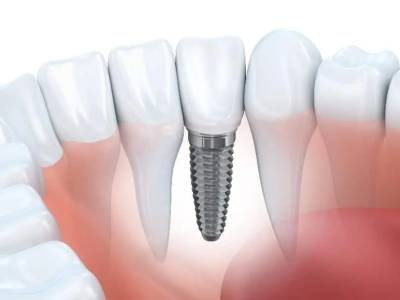
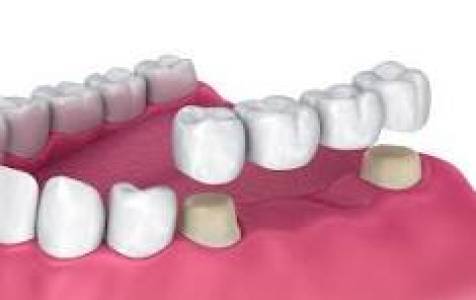
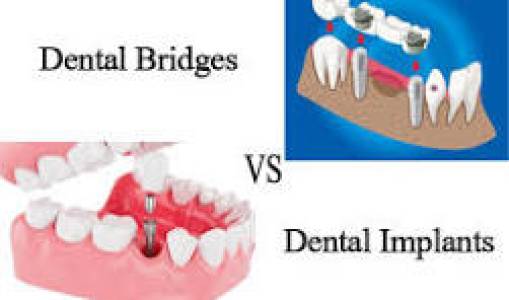
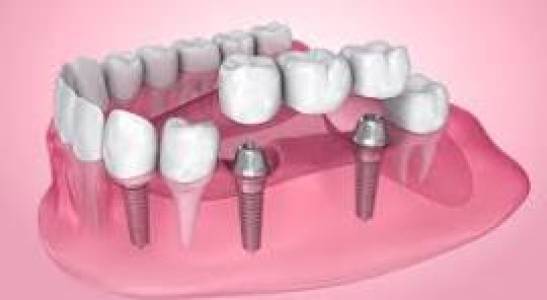
- Preserve Your Natural Tooth: Root canal treatment saves your natural tooth, preventing the need for extraction. Preserving your natural tooth maintains your bite, prevents adjacent teeth from shifting, and avoids the complexities and costs associated with tooth replacement options like bridges or implants.
- Eliminate Infection: It effectively removes bacteria and infected tissue, preventing the spread of infection to other teeth, gums, or even other parts of the body.
- Restore Oral Health: By addressing the root cause of the problem, root canal therapy helps restore your overall oral health and prevent further dental issues.
- Maintain Aesthetics: With a proper restoration (often a dental crown), the treated tooth will look and function just like your other natural teeth.
- Cost-Effective Long-Term Solution: Saving your natural tooth is often more cost-effective and less invasive than extraction followed by a prosthetic replacement.
Who is a Candidate for Root Canal Therapy?
You might be a candidate for root canal therapy if you experience any of the following symptoms:
- Persistent tooth pain: Ranging from mild to severe, constant, or intermittent.
- Sensitivity to hot and cold: Especially if the sensitivity lingers after the stimulus is removed.
- Swelling and tenderness: In the surrounding gums, face, or neck.
- Pimple-like bump on the gums: A sign of an abscess (pus pocket).
- Tooth discoloration: The tooth may appear darker than others.
- Pain when chewing or applying pressure.
- A deep cavity or crack that has reached the pulp.
- Trauma to the tooth.
The Root Canal Process: What to Expect
Modern root canal therapy is a routine and often comfortable procedure performed with advanced techniques and anesthesia. Here's a general overview of the steps:
- Diagnosis: We'll conduct a thorough examination, including digital X-rays, to accurately diagnose the extent of the infection and assess the root canals.
- Anesthesia: Local anesthesia is administered to numb the tooth and surrounding area, ensuring you feel no pain during the procedure. Sedation options are also available for anxious patients.
- Isolation: A small protective sheet called a dental dam is placed around the tooth to keep it clean and dry, preventing saliva and bacteria from entering during the treatment.
- Access Opening: A small opening is made on the crown of the tooth to access the pulp chamber and root canals.
- Pulp Removal & Cleaning: The infected or inflamed pulp is carefully removed using specialized instruments. The inside of the tooth is then meticulously cleaned, disinfected, and shaped.
- Filling & Sealing: The cleaned root canals are filled with a biocompatible, rubber-like material called gutta-percha, which is then sealed with an adhesive cement to prevent reinfection.
- Temporary Filling: A temporary filling is placed in the access opening to protect the tooth until your permanent restoration.
- Permanent Restoration: In most cases, a dental crown will be recommended and placed during a subsequent appointment. The crown provides strength, protection, and restores the tooth's original appearance and function.
Why Choose Our Practice for Your Root Canal Therapy?
- Experienced & Compassionate Team: Our dentists have extensive experience in performing root canal treatments, utilizing the latest techniques for optimal outcomes. We prioritize your comfort and understanding throughout the process.
- Advanced Technology: We utilize state-of-the-art equipment, including digital X-rays, intraoral cameras, and rotary endodontic instruments, to ensure precise, efficient, and comfortable treatment.
- Patient-Centered Care: Your comfort is our priority. We offer local anesthesia, various sedation options, and a supportive environment to ease any anxiety you may have.
- Comprehensive Follow-Up: We provide clear post-procedure instructions and schedule follow-up appointments to monitor your healing and ensure the long-term success of your treatment.
- Seamless Restoration: We work closely with you to ensure the final crown or restoration perfectly complements your natural smile.
Post-Procedure Care
After your root canal, it's normal to experience some mild sensitivity or discomfort for a few days, which can typically be managed with over-the-counter pain relievers. We'll provide you with detailed aftercare instructions, which will include:
- Avoiding chewing on the treated tooth until your permanent crown or restoration is placed.
- Maintaining excellent oral hygiene with regular brushing and flossing.
- Attending your scheduled follow-up appointments.
Don't Delay – Get Relief Today!
If you're experiencing symptoms that suggest the need for root canal therapy, it's crucial to seek prompt professional attention. Early intervention can prevent further complications, save your tooth, and alleviate your pain.
Contact us today to schedule a consultation. Let us help you eliminate discomfort, preserve your natural tooth, and restore your healthy, confident smile.
Disclaimer: This product description provides general information about root canal therapy. It is not a substitute for professional medical advice, diagnosis, or treatment. Individual results may vary. Please consult with our dental professionals to discuss your specific condition and determine the most appropriate course of treatment for you.