Description
Here's a detailed product description for Periodontal Disease, framed as if describing the condition itself, in Markdown format.
Periodontal Disease: The Silent Threat to Your Smile and Systemic Health
Product Overview:
Periodontal Disease, commonly known as gum disease, is a chronic inflammatory condition affecting the tissues surrounding and supporting your teeth. Far more than just a minor annoyance, it is a progressive disease that begins with subtle inflammation and, if left untreated, can lead to irreversible bone loss, tooth mobility, and eventually, tooth loss. Beyond your mouth, the impact of periodontal disease can extend to your overall health, making early detection and intervention crucial.
Key "Features" & Stages:
1. Gingivitis (Early Stage)
- Initial Presentation: Inflammation of the gums, often without significant pain.
- Symptoms:
- Red, swollen, or tender gums.
- Gums that bleed easily during brushing or flossing.
- Persistent bad breath (halitosis).
- Reversibility: At this stage, gingivitis is typically reversible with proper oral hygiene and professional cleaning. No bone loss has occurred yet.
2. Periodontitis (Advanced Stages)
- Progression: If gingivitis is left untreated, the inflammation spreads below the gum line, causing the gums to pull away from the teeth, forming "pockets." These pockets become breeding grounds for bacteria, plaque, and calculus.
- Irreversible Damage: The body's immune response, combined with bacterial toxins, begins to break down the bone and connective tissue that hold teeth in place. This bone loss is irreversible.
- Symptoms:
- All symptoms of gingivitis, often more severe.
- Receding gums, making teeth appear longer.
- Formation of deep pockets between teeth and gums.
- Persistent bad taste in the mouth.
- Pus between teeth and gums.
- Loose or shifting teeth.
- Changes in the way your teeth fit together when you bite (malocclusion).
- Changes in the fit of partial dentures.
- Advanced bone loss visible on X-rays.
"Specifications" & Causes:
Primary Cause:
- Bacterial Plaque: A sticky film of bacteria that constantly forms on your teeth. If not removed through daily brushing and flossing, plaque hardens into calculus (tartar), which can only be removed by a dental professional.
Contributing Factors & Risk Accelerators:
- Poor Oral Hygiene: Inconsistent or ineffective brushing and flossing.
- Smoking/Vaping: Significantly increases the risk and severity of gum disease, impairs healing, and masks symptoms.
- Diabetes: Individuals with diabetes are more susceptible to infections, including gum disease, and healing can be slower.
- Genetics: A family history of gum disease can increase your risk.
- Hormonal Changes: During pregnancy, puberty, menopause, or with the use of oral contraceptives, gums can become more sensitive.
- Stress: Weakens the immune system, making it harder to fight off infections.
- Certain Medications: Some drugs (e.g., anticonvulsants, calcium channel blockers, immunosuppressants) can cause dry mouth or gum overgrowth, contributing to gum disease.
- Compromised Immune System: Conditions like HIV/AIDS can impair the body's ability to fight off gum infections.
- Poor Nutrition: A diet lacking essential nutrients can compromise the body's immune system.
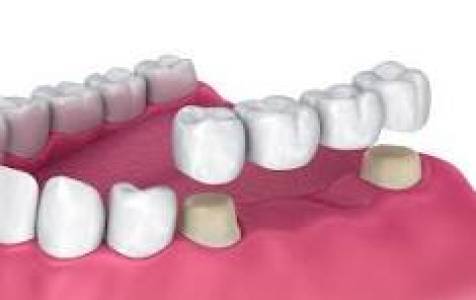
- Ill-fitting Dental Restorations: Crowns, fillings, or bridges that are poorly fitted can trap plaque.
"Benefits" of Early Detection (Consequences of Neglect):
Ignoring periodontal disease can lead to severe and costly outcomes:
- Tooth Loss: The most common cause of tooth loss in adults.
- Jawbone Deterioration: Progressive bone loss leads to a weakened jaw structure.
- Aesthetic Concerns: Receding gums and visible tooth roots affect smile aesthetics.
- Functional Impairment: Difficulty chewing, speaking, and enjoying food.
- Increased Risk of Systemic Health Issues: Growing research links periodontal disease to:
- Cardiovascular Disease: Increased risk of heart attack and stroke.
- Diabetes: Can make blood sugar control more difficult.
- Respiratory Diseases: Increased risk of pneumonia and bronchitis.
- Adverse Pregnancy Outcomes: Higher risk of preterm birth and low birth weight.
- Rheumatoid Arthritis: Worsening of symptoms.
- Alzheimer's Disease: Emerging evidence suggests a potential link.
"Treatment & Management":
While Periodontal Disease is not a product you can simply buy to fix, effective management and treatment strategies are available:
- Professional Dental Cleanings: Regular cleanings to remove plaque and tartar.
- Scaling and Root Planing (Deep Cleaning): A non-surgical procedure to remove plaque and tartar from below the gum line and smooth root surfaces.
- Medications: Antibiotics (oral or topical) to control bacterial infection.
- Periodontal Surgery: For advanced cases, procedures like pocket reduction surgery, bone grafts, or soft tissue grafts may be necessary.
- Maintenance Therapy: Ongoing professional care and rigorous home hygiene are essential to prevent recurrence.
- Lifestyle Modifications: Quitting smoking, managing diabetes, and stress reduction.
Who is this "Product" For? (Who is at Risk?):
- Anyone who experiences bleeding gums during brushing or flossing.
- Individuals with persistent bad breath.
- People noticing changes in their gum line or tooth stability.
- Smokers or vapers.
- Diabetic individuals.
- Pregnant women.
- Those with a family history of gum disease.
- Anyone not maintaining consistent daily oral hygiene.
Call to Action:
Don't let Periodontal Disease silently erode your health. If you recognize any of the symptoms or risk factors described, take action immediately.
Consult your dentist or a periodontist (a gum disease specialist) today. Early diagnosis and treatment are critical to preserving your teeth, protecting your overall health, and maintaining a confident, healthy smile for years to come.
Disclaimer: This description provides general information about Periodontal Disease and is not a substitute for professional medical or dental advice, diagnosis, or treatment. Always seek the advice of your dentist or other qualified health provider with any questions you may have regarding a medical condition or treatment.