Description
Restore Your Smile & Oral Health with Custom Dental Crowns & Bridges
Reclaim Function, Aesthetics, and Confidence
Missing or damaged teeth can significantly impact your quality of life, affecting your ability to chew, speak, and smile with confidence. At [Your Dental Practice Name], we offer high-quality Dental Crowns and Dental Bridges as essential restorative solutions designed to bring back the full functionality and natural beauty of your smile.
Understanding Dental Crowns
A dental crown, often referred to as a "cap," is a custom-made restoration that completely covers a damaged or weakened tooth, restoring its shape, size, strength, and appearance. It is permanently bonded over the entire visible portion of your tooth above the gum line.
When Are Crowns Needed?
- Protect a weak tooth from breaking or hold together parts of a cracked tooth.
- Restore a tooth that is already broken or severely worn down.
- Cover and support a tooth with a large filling when there isn't much tooth left.
- Cover a dental implant.
- Make a cosmetic modification to discolored or badly shaped teeth.
- Cover a tooth that has undergone root canal treatment.
Crown Materials: Tailored to Your Needs
We offer a range of advanced materials, each with unique advantages, to ensure your crown is perfectly suited for its location and your aesthetic preferences:
- Porcelain/Ceramic: Highly aesthetic, mimicking the natural translucency and color of teeth. Ideal for front teeth and for patients with metal allergies.
- Zirconia: Extremely strong and durable, yet highly aesthetic. A popular choice for both front and back teeth, offering excellent fracture resistance.
- E-max (Lithium Disilicate): Known for its exceptional translucency and strength, providing a beautiful, natural-looking restoration, often preferred for anterior teeth.
- Porcelain Fused to Metal (PFM): Offers a good balance of strength and aesthetics. A metal substructure provides durability, while a porcelain layer covers it for a natural look.
- Metal Alloys (e.g., Gold): Extremely durable and fracture-resistant. Often used for back molars where strength is paramount and aesthetics are less of a concern.
Exploring Dental Bridges
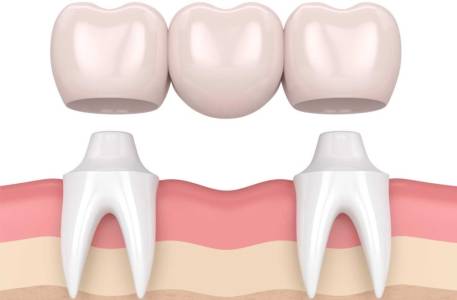
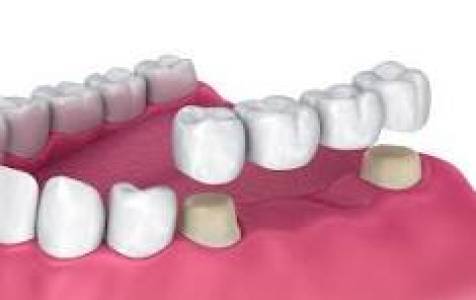
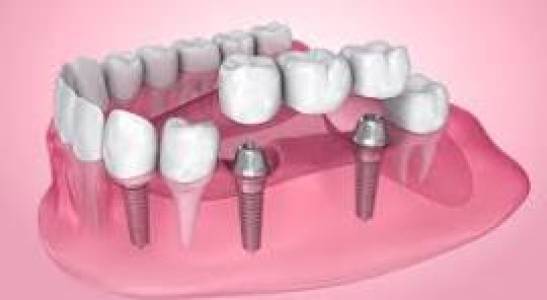
A dental bridge is a fixed prosthetic device used to "bridge" the gap created by one or more missing teeth. It consists of artificial teeth (pontics) held in place by dental crowns on the natural teeth (abutment teeth) on either side of the gap, or by dental implants.
When Are Bridges Needed?
- Replace one or more missing teeth.
- Maintain the shape of your face and prevent facial collapse.
- Prevent remaining teeth from drifting out of position.
- Restore your ability to properly chew and speak.
- Distribute the forces in your bite properly by replacing missing teeth.
- Improve the aesthetics of your smile.
Types of Dental Bridges
Depending on your specific situation and oral health, we may recommend one of the following types of bridges:
- Traditional Bridge: The most common type, involving a crown on each side of the missing tooth/teeth (abutments) and a pontic (artificial tooth) in between.
- Cantilever Bridge: Used when there are only adjacent teeth on one side of the missing tooth. Less common and generally for areas not subjected to heavy chewing forces.
- Maryland (Resin-Bonded) Bridge: A more conservative option where metal or porcelain "wings" are bonded to the backs of the adjacent natural teeth, without the need for full crown preparation. Ideal for front teeth where bite forces are lighter.
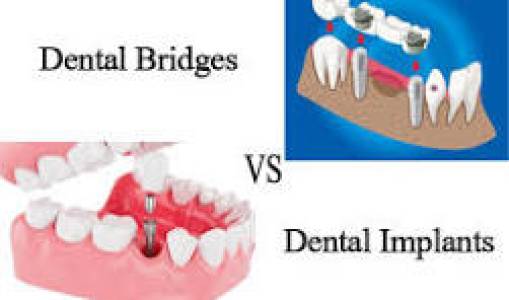
- Implant-Supported Bridge: For patients missing multiple teeth in a row, bridges can be supported by dental implants rather than natural teeth, offering superior stability and long-term success without impacting adjacent healthy teeth.
Bridge Materials
Bridge materials are similar to those used for crowns, offering options like porcelain, zirconia, E-max, and porcelain-fused-to-metal, selected to match your natural teeth and provide optimal strength and durability.
The Treatment Process (Generally)
The placement of a crown or bridge typically involves two or more appointments:
- Consultation & Planning: A comprehensive examination, including X-rays and possibly digital scans, to assess your oral health and determine the best restoration for you. We'll discuss your goals and treatment options.
- Tooth Preparation: For crowns and traditional bridges, the abutment tooth/teeth are reshaped to allow the crown/bridge to fit precisely.
- Impressions or Digital Scans: Accurate molds or digital scans of your teeth are taken and sent to a dental laboratory, where your custom crown or bridge will be fabricated.
- Temporary Restoration (if needed): A temporary crown or bridge may be placed to protect the prepared tooth/teeth while your permanent restoration is being made.
- Permanent Placement: Once your custom crown or bridge is ready, you'll return for your final appointment. The temporary is removed, and the permanent restoration is carefully fitted, adjusted for bite, and then permanently bonded into place.
Key Benefits of Crowns & Bridges
- Restored Chewing Function: Enjoy your favorite foods again without discomfort.
- Improved Speech: Missing teeth can affect pronunciation; restorations help restore clear speech.
- Enhanced Aesthetics: Achieve a natural-looking, beautiful smile.
- Prevention of Tooth Shifting: Bridges prevent remaining teeth from moving into the gap, maintaining proper alignment.
- Long-Lasting Solutions: With proper care, crowns and bridges can last for many years, providing durable support.
- Increased Confidence: Smile, laugh, and interact socially without hesitation.
Care & Maintenance for Your Restoration
To ensure the longevity of your crown or bridge, maintain excellent oral hygiene:
- Brush twice daily with fluoride toothpaste.
- Floss daily, paying special attention around the crown and under the bridge (a floss threader or water flosser can be helpful for bridges).
- Regular dental check-ups and cleanings every six months.
- Avoid chewing on hard foods (e.g., ice, hard candies, popcorn kernels) that could chip or dislodge your restoration.
- If you grind or clench your teeth (bruxism), a nightguard may be recommended to protect your crown or bridge.
Is a Crown or Bridge Right for You?
The best way to determine if a dental crown or bridge is the ideal solution for your specific needs is through a personalized consultation with our experienced dental team. We will thoroughly evaluate your oral health, discuss your goals, and recommend a tailored treatment plan to help you achieve a healthy, complete, and beautiful smile.
Ready to Restore Your Smile?
Don't let damaged or missing teeth hold you back any longer. Contact [Your Dental Practice Name] today to schedule your consultation and learn more about how dental crowns and bridges can transform your oral health and confidence.
[Phone Number] | [Email Address] | [Website Link] [Your Dental Practice Address]
Disclaimer: The information provided in this description is for general knowledge and informational purposes only, and does not constitute medical advice. Always consult with a qualified dental professional for any health concerns or before making any decisions related to your oral health or treatment.