Description
Here's a detailed product description for Dental Bridges, formatted in Markdown:
Restore Your Smile & Function with Dental Bridges
Missing teeth can significantly impact your oral health, confidence, and ability to eat and speak properly. At [Your Clinic Name/Brand], we understand the importance of a complete, healthy smile. Our custom-crafted Dental Bridges offer a time-tested, reliable, and aesthetically pleasing solution to replace one or more missing teeth, seamlessly restoring both the appearance and functionality of your bite.
What Are Dental Bridges?
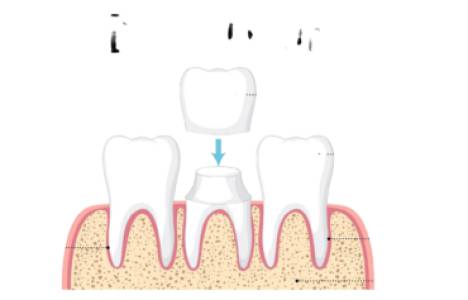
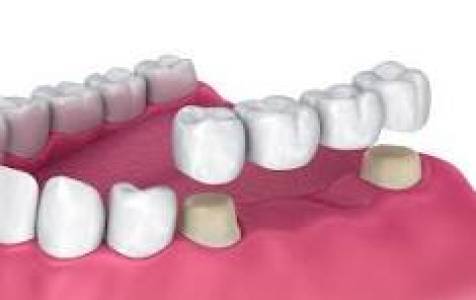
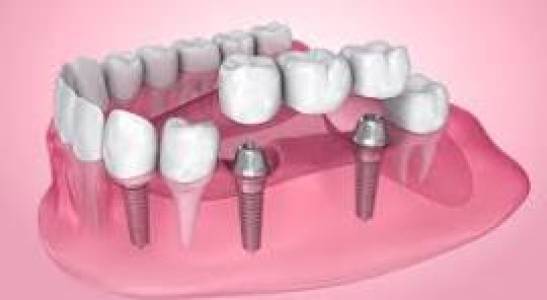
A dental bridge is a custom-made prosthetic device that literally "bridges" the gap created by one or more missing teeth. It consists of an artificial tooth (or teeth) called a pontic, which is held in place by dental crowns cemented onto the natural teeth or dental implants on either side of the gap. These anchoring teeth are called abutment teeth.
Dental bridges are a non-removable solution, offering a stable and comfortable alternative to removable partial dentures.
Why Choose Dental Bridges? The Benefits
Choosing a dental bridge can provide a multitude of advantages for your oral health and overall well-being:
- Restored Aesthetics: Fill the gaps in your smile with natural-looking prosthetic teeth, custom-matched to the shade and shape of your existing teeth.
- Improved Chewing & Speech: Regain the ability to chew a wider variety of foods comfortably and speak clearly, without the challenges that missing teeth can present.
- Prevents Remaining Teeth from Shifting: When a tooth is lost, adjacent teeth can begin to drift into the empty space, leading to bite problems, gum disease, and further tooth loss. A bridge holds them in place.
- Maintains Facial Structure: Missing teeth can lead to bone loss in the jaw, potentially altering your facial contours. While not as effective as implants, bridges can help preserve some facial structure.
- Non-Removable Convenience: Unlike partial dentures, dental bridges are permanently cemented into place, offering the feel and function of natural teeth without the need for daily removal.
- Durable & Long-Lasting: With proper care and regular dental check-ups, dental bridges can last for 5 to 15 years, or even longer.
- Relatively Quick Procedure: The entire process typically involves two to three appointments over a few weeks.
Types of Dental Bridges
We offer various types of dental bridges, tailored to your specific needs and oral health situation:
1. Traditional Bridges
- Description: This is the most common type of bridge. It involves creating a crown for the tooth or implant on either side of the missing tooth, with a pontic (or pontics) in between.
- Ideal For: Patients with healthy natural teeth on both sides of the gap.
- Process: Requires the abutment teeth to be reshaped to accommodate the crowns.
2. Cantilever Bridges
- Description: Used when there is only one natural tooth adjacent to the missing tooth (gap). The pontic is supported by a crown on just one side.
- Ideal For: Areas of the mouth that experience less chewing force (e.g., front teeth) or when there's only one viable abutment tooth.
- Considerations: Less common due to potential for excessive leverage on the single abutment tooth, which can lead to complications.
3. Maryland (Resin-Bonded) Bridges
- Description: A more conservative option, especially for front teeth. It consists of a pontic with metal or porcelain "wings" on either side. These wings are bonded to the back surface of the adjacent natural teeth.
- Ideal For: Replacing a single missing tooth, particularly in the front of the mouth, where the adjacent teeth are healthy and don't require full crowns.
- Benefits: Less invasive as it doesn't require significant preparation or crowning of the adjacent teeth.
4. Implant-Supported Bridges
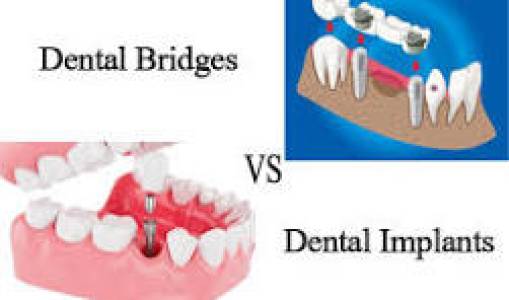
- Description: Instead of relying on natural teeth for support, this type of bridge is anchored by dental implants. If you have multiple missing teeth but don't want an implant for every tooth, two implants can support a bridge of three or four teeth.
- Ideal For: Patients missing several teeth in a row, who have sufficient jawbone density for implants, and prefer a highly stable, long-term solution that doesn't involve altering natural teeth.
- Benefits: Provides superior stability, preserves bone health, and does not put stress on natural teeth.
Materials Used for Dental Bridges
Dental bridges are crafted from durable, biocompatible materials to ensure strength, longevity, and natural aesthetics:
- Porcelain-fused-to-Metal (PFM): Offers excellent strength from the metal substructure and a natural appearance from the porcelain overlay.
- All-Ceramic/Porcelain: Provides the most natural, translucent look, ideal for visible front teeth. They are metal-free and suitable for patients with metal allergies.
- Zirconia: An advanced ceramic material known for its exceptional strength, durability, and natural tooth-like appearance. Increasingly popular for both front and back teeth.
- Gold Alloys: Highly durable and biocompatible, often used for back teeth where aesthetics are less of a concern.
The Dental Bridge Treatment Process
Getting a dental bridge typically involves two to three appointments:
- Initial Consultation & Planning: Your dentist will conduct a thorough examination, including X-rays, to assess your oral health, determine the best type of bridge for you, and discuss your goals.
- Tooth Preparation (First Appointment): For traditional and cantilever bridges, the abutment teeth will be reshaped to allow for the crowns to fit over them securely. For Maryland bridges, minimal preparation is needed. Impressions (molds) of your teeth will be taken and sent to a dental lab. A temporary bridge will be placed to protect your prepared teeth and maintain aesthetics.
- Bridge Placement (Second Appointment): Once your custom bridge is fabricated (usually within 1-3 weeks), you'll return for placement. Your dentist will remove the temporary bridge and carefully fit the permanent one, checking the bite and fit. Minor adjustments may be made.
- Final Cementation (Optional Third Appointment): Sometimes, a temporary cement is used first to allow your mouth and bite to adjust. If everything feels comfortable and stable after a short period, the bridge will be permanently cemented into place.
Caring for Your Dental Bridge
Proper care is crucial for the longevity of your dental bridge and the health of your remaining teeth:
- Maintain Excellent Oral Hygiene: Brush twice a day with fluoride toothpaste and floss daily, paying special attention to the areas around and under the bridge. A floss threader, interdental brush, or water flosser can be very helpful.
- Regular Dental Check-ups: Visit your dentist every six months for professional cleanings and examinations.
- Healthy Diet: Avoid excessively hard or sticky foods that could damage the bridge or pull it off.
- Avoid Bad Habits: Do not chew on ice, use your teeth to open packages, or clench/grind your teeth (a nightguard may be recommended if you grind).
Are Dental Bridges Right for You?
Dental bridges are an excellent option for individuals who:
- Are missing one or more adjacent teeth.
- Have healthy natural teeth on either side of the gap (for traditional bridges).
- Prefer a fixed, non-removable tooth replacement option.
- Are not candidates for dental implants (due to bone loss, medical conditions, or preference).
- Desire to restore chewing function, speech clarity, and the aesthetics of their smile.
Schedule Your Consultation
Don't let missing teeth diminish your quality of life. At [Your Clinic Name/Brand], our experienced dental team is dedicated to providing personalized care and the highest quality dental solutions.
Contact us today at [Phone Number] or visit [Website] to schedule a consultation and discover if a dental bridge is the right choice to beautifully restore your smile!
Disclaimer: Individual results may vary. The information provided is for general educational purposes only and does not constitute medical advice. A thorough examination and consultation with a qualified dental professional are necessary to determine the most appropriate treatment plan for your specific needs.