Description
Here's a detailed product description for Endodontics / Root Canal Treatment, formatted in Markdown:
Root Canal Treatment: Restoring Your Tooth's Health & Saving Your Smile
Are you experiencing persistent tooth pain, sensitivity, or swelling? Don't let dental discomfort dictate your life. At [Your Clinic Name], we specialize in Endodontics, commonly known as Root Canal Treatment, a highly effective procedure designed to alleviate pain, eliminate infection, and save your natural tooth.
What is Endodontics / Root Canal Treatment?
Endodontics is a specialized branch of dentistry focused on the treatment of diseases and injuries of the dental pulp – the soft tissue inside your tooth containing nerves, blood vessels, and connective tissue. When this pulp becomes inflamed or infected due to deep decay, trauma, or cracks in the tooth, a root canal becomes necessary.
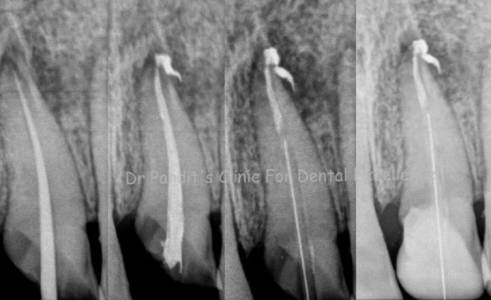
During a root canal procedure, our skilled endodontists or dentists carefully remove the infected or inflamed pulp, meticulously clean and shape the inside of the root canal, and then fill and seal the space. This process eliminates the infection, prevents its spread, and preserves your natural tooth, avoiding the need for extraction.
When is Root Canal Treatment Necessary?
You might need a root canal if you experience any of the following symptoms or conditions:
Common Symptoms:
- Severe toothache pain upon chewing or application of pressure.
- Prolonged sensitivity to hot or cold temperatures (even after the source of heat or cold has been removed).
- Discoloration (darkening) of the tooth.
- Swelling and tenderness in the gums near the affected tooth.
- A persistent or recurring pimple on the gums (a sign of an abscess).
Causes of Pulp Infection/Inflammation:
- Deep decay that reaches the pulp.
- Repeated dental procedures on the same tooth.
- A chip or crack in the tooth.
- Trauma to the face or mouth, even if there's no visible crack or chip.
The Benefits of Choosing Root Canal Treatment
Opting for a root canal treatment offers numerous advantages:
- Eliminates Pain & Discomfort: The primary goal and immediate benefit is profound relief from toothache.
- Saves Your Natural Tooth: Preserves your original tooth, maintaining its natural appearance and function. This is always preferable to extraction.
- Prevents Infection Spread: Stops the infection from spreading to other teeth, gums, or even into the bloodstream, which can have systemic health implications.
- Restores Chewing & Biting: Allows you to continue eating your favorite foods without pain or limitations.
- Maintains Facial Aesthetics: Prevents the shifting of adjacent teeth that can occur after an extraction, helping to maintain your natural bite and facial structure.
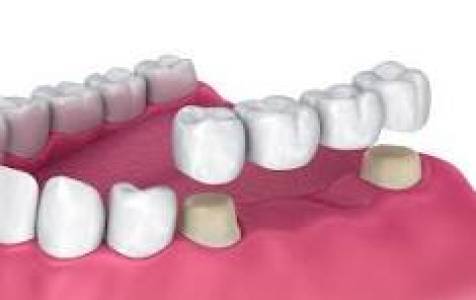
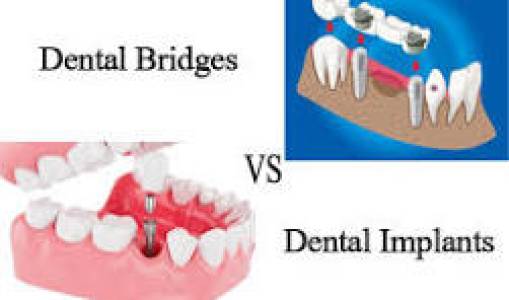
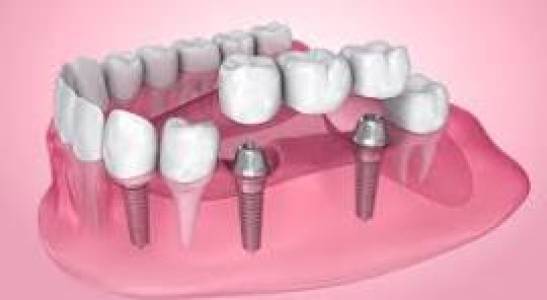
- Cost-Effective Long-Term: While there's an initial investment, saving your natural tooth often proves more cost-effective over time compared to tooth replacement options like implants or bridges.
Our Root Canal Treatment Process
At [Your Clinic Name], we utilize state-of-the-art technology and techniques to ensure your root canal treatment is as comfortable and efficient as possible. Our process typically involves:
- Diagnosis & Planning: We begin with a thorough examination, including digital X-rays and sometimes 3D imaging (CBCT), to accurately diagnose the extent of the infection and plan the treatment.
- Anesthesia: Local anesthetic is administered to completely numb the tooth and surrounding area, ensuring you feel no pain during the procedure. Sedation options are also available for anxious patients.
- Access Opening: A small opening is made in the crown of the tooth to access the pulp chamber and root canals.
- Pulp Removal & Cleaning: The infected or inflamed pulp tissue is carefully removed using specialized instruments. The root canals are then meticulously cleaned, shaped, and disinfected.
- Filling & Sealing: Once cleaned, the canals are filled with a biocompatible material, usually gutta-percha, and sealed with an adhesive cement to prevent re-infection.
- Restoration: A temporary filling is placed to seal the access opening. A final restoration, such as a permanent filling or a dental crown, will be placed in a subsequent visit. A crown is often recommended to protect the treated tooth from fracture and restore its full function and appearance.
Why Choose [Your Clinic Name] for Your Root Canal?
- Experienced & Compassionate Team: Our highly trained endodontists and dentists have extensive experience in performing successful root canal treatments, focusing on patient comfort and optimal outcomes.
- Advanced Technology: We utilize cutting-edge equipment, including dental operating microscopes for enhanced visibility, digital X-rays for precise diagnostics, and rotary endodontic instruments for efficient and thorough cleaning.
- Patient-Centered Care: Your comfort is our priority. We offer various comfort amenities, gentle techniques, and sedation options to ensure a calm and pain-free experience.
- Sterilization Excellence: We adhere to the highest standards of sterilization and infection control for your safety and peace of mind.
- Comprehensive Follow-Up: We provide clear post-treatment instructions and schedule follow-up appointments to ensure your recovery is smooth and your tooth remains healthy.
Aftercare & Recovery
It's normal to experience some mild sensitivity or soreness for a few days after your root canal, especially when chewing. This can typically be managed with over-the-counter pain relievers. We recommend avoiding chewing on the treated tooth until your final restoration (crown or permanent filling) is placed. Maintain good oral hygiene with regular brushing and flossing.
Frequently Asked Questions (FAQs)
Is a root canal painful?
- Thanks to modern anesthetics and advanced techniques, root canal treatment is no more uncomfortable than a routine filling. The procedure itself relieves the pain you were experiencing from the infection.
How long does the procedure take?
- Most root canal treatments can be completed in one or two appointments, typically lasting 60-90 minutes each, depending on the complexity of the tooth.
What happens if I don't get a root canal?
- Ignoring an infected tooth can lead to the spread of infection, formation of an abscess, bone loss around the tooth, and eventually, the need for tooth extraction.
Do I always need a crown after a root canal?
- While not always immediately, most teeth that have undergone root canal treatment, especially molars and premolars, benefit greatly from a dental crown. A crown provides strength, prevents fracture, and seals the tooth against future contamination.
What is the success rate of root canals?
- Root canal treatment has a very high success rate, often exceeding 95%. With proper care, a treated tooth can last a lifetime.
Don't Let Tooth Pain Wait – Take the First Step Towards Relief!
If you're experiencing symptoms that suggest you might need root canal treatment, don't delay. Early intervention can prevent further complications and ensure the best possible outcome.
Contact [Your Clinic Name] today at [Your Phone Number] or [Your Email Address] to schedule a consultation.
Let us help you restore your oral health, eliminate pain, and save your beautiful, natural smile!
[Your Clinic Name] [Your Clinic Address] [Your Website URL] [Your Social Media Links (Optional)]