Description
TOOTH EXTRACTION: Expert Care for Your Oral Health
Overview
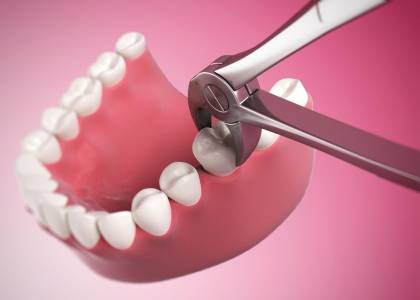
Tooth extraction, often simply referred to as "pulling a tooth," is a common dental procedure performed to remove a tooth from its socket in the bone. While our primary goal is always to preserve your natural teeth, there are situations where an extraction becomes the most effective or necessary solution for your oral health.
At [Your Dental Practice Name], we approach every extraction with the utmost care, prioritizing your comfort, safety, and long-term well-being. Our experienced dental professionals utilize state-of-the-art techniques and local anesthesia (with sedation options available) to ensure a smooth and as pain-free experience as possible.
Key Benefits & Why It Might Be Necessary
- Problem Resolution: Effectively addresses issues like severe decay, infection, or trauma that cannot be resolved with fillings, root canals, or other restorative procedures.
- Pain Relief: Eliminates chronic pain and discomfort caused by problematic teeth.
- Preventative Health: Prevents the spread of infection to other teeth or areas of the body, and resolves issues like impacted wisdom teeth that can cause damage or misalignment.
- Improved Oral Function: Creates space for orthodontic treatment, prepares the mouth for dentures or implants, and improves overall bite and chewing efficiency.
- Enhanced Aesthetics: In cases of overcrowding or preparing for cosmetic dental solutions, extraction can contribute to a healthier, more beautiful smile.
- Patient-Centered Comfort: We are committed to providing a gentle experience, offering various anesthesia and sedation options tailored to your needs and anxiety levels.
Indications for Tooth Extraction
An extraction may be recommended for various reasons, including:
- Severe Tooth Decay: When a tooth is too extensively damaged by decay to be restored with a filling or crown.
- Advanced Periodontal Disease: When gum disease has severely damaged the supporting bone and tissues around the tooth, leading to looseness.
- Impacted Wisdom Teeth: Wisdom teeth (third molars) that don't have enough space to erupt properly, causing pain, infection, or damage to adjacent teeth.
- Overcrowding: To create space for orthodontic treatment (braces) to properly align teeth.
- Infection/Abscess: If an infection at the root of a tooth is severe and cannot be treated effectively with root canal therapy or antibiotics.
- Trauma or Fracture: Teeth that have been severely fractured or damaged beyond repair due to an injury.
- Retained Primary (Baby) Teeth: When a baby tooth does not fall out naturally, preventing the permanent tooth from erupting.
The Extraction Process
Your comfort and understanding are paramount throughout the procedure:
- Comprehensive Consultation & Assessment: We begin with a thorough examination, including digital X-rays and sometimes 3D imaging, to evaluate the tooth's position, root structure, and surrounding bone. We'll discuss your medical history and answer any questions you may have.
- Anesthesia & Sedation: Before the procedure, we'll administer a local anesthetic to numb the tooth and surrounding area, ensuring you feel no pain. For patients with dental anxiety or for more complex extractions, sedation options such as nitrous oxide (laughing gas), oral sedatives, or IV sedation may be offered.
- The Extraction:
- Simple Extraction: If the tooth is visible above the gum line and has a relatively straightforward root structure, specialized instruments (elevators and forceps) are used to gently loosen and remove the tooth.
- Surgical Extraction: For impacted teeth, teeth that have broken off at the gum line, or teeth with complex roots, a small incision in the gum tissue may be necessary. Sometimes, a small amount of bone around the tooth might need to be removed to access it, or the tooth might be divided into smaller pieces for easier removal.
- Post-Extraction Care: Once the tooth is removed, the socket is cleaned, and a sterile gauze pad is placed to control bleeding and encourage clot formation. Stitches (resorbable or removable) may be used to close the gum tissue, particularly after surgical extractions.
Post-Procedure Care & Recovery
Detailed post-operative instructions will be provided, but general guidelines include:
- Bleeding Control: Bite firmly on the gauze pad for 30-60 minutes, replacing it as needed.
- Pain Management: Take prescribed pain medication or over-the-counter pain relievers as directed.
- Swelling Reduction: Apply an ice pack to the outside of your cheek for 15-20 minutes on, 15-20 minutes off, for the first 24-48 hours.
- Diet: Stick to soft foods and liquids for the first few days, gradually reintroducing solid foods as tolerated. Avoid using straws, as the sucking motion can dislodge the blood clot.
- Oral Hygiene: Gently rinse your mouth with warm salt water (1/2 teaspoon salt in 8 oz water) after 24 hours. Avoid brushing directly on the extraction site for a few days.
- Rest: Limit strenuous activities for at least 24-48 hours to promote healing.
- Avoid Smoking & Alcohol: These can significantly impede healing and increase the risk of complications like dry socket.
- Follow-Up: Attend any scheduled follow-up appointments to ensure proper healing.
Potential Risks & Considerations
While generally safe, all surgical procedures carry some risks. We will discuss these with you in detail:
- Pain, Swelling, and Bruising: Common and managed with medication and ice.
- Infection: Can be prevented with good post-operative care and, if necessary, antibiotics.
- Dry Socket (Alveolar Osteitis): Occurs when the blood clot dislodges prematurely, exposing the bone. More common with wisdom teeth extractions and smoking.
- Nerve Damage: Very rare, but can occur, especially with lower wisdom teeth, leading to temporary or (in extremely rare cases) permanent numbness.
- Sinus Perforation: For upper molars, there's a small risk of creating an opening into the sinus cavity. This is usually managed during the procedure.
- Damage to Adjacent Teeth: Rare, but can occur during the extraction process.
- Retained Root Fragments: Sometimes, a small piece of the root may be left if removal would cause excessive damage. This is typically harmless but will be monitored.
Why Choose [Your Dental Practice Name] for Your Extraction?
- Experienced Professionals: Our dentists and oral surgeons have extensive experience in performing both simple and complex extractions with precision and care.
- Advanced Technology: We utilize modern diagnostic and surgical tools to ensure accurate planning and efficient procedures.
- Commitment to Comfort: Your comfort is our priority, with various sedation options and a compassionate team to support you.
- Comprehensive Aftercare: We provide detailed post-operative instructions and are available to address any concerns during your recovery.
- Personalized Treatment Plans: Every patient is unique, and we tailor our approach to your specific needs and oral health goals.
If you are experiencing dental pain, have a damaged tooth, or have been advised that you may need a tooth extraction, please do not hesitate to contact us. Schedule a consultation at [Your Dental Practice Name] today to discuss your options and receive expert, compassionate care.
Disclaimer: This product description provides general information about tooth extraction. It is not a substitute for professional medical advice, diagnosis, or treatment. Always seek the advice of your qualified healthcare provider with any questions you may have regarding a medical condition or treatment.