Description
Root Canal Treatment: Restore Your Health, Preserve Your Smile
Say Goodbye to Tooth Pain and Save Your Natural Tooth!
Are you experiencing severe toothache, prolonged sensitivity to hot or cold, tenderness in your gums, or a persistent pimple-like bump near a tooth? These could be signs of an infected or inflamed tooth pulp, requiring immediate attention. Don't let the fear of "root canal" keep you from finding relief and preserving your natural tooth.
Root Canal Treatment (RCT), also known as endodontic treatment, is a highly effective and common dental procedure designed to remove infection and protect your damaged tooth from future microbial invasion. At [Your Clinic Name], we combine advanced technology with a gentle, patient-focused approach to ensure your comfort and the best possible outcome.
What is Root Canal Treatment?
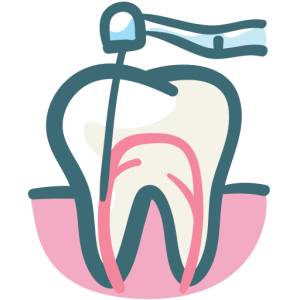
Inside each tooth, beneath the hard enamel and dentin layers, lies a soft tissue called the pulp. The pulp contains nerves, blood vessels, and connective tissue, and extends from the crown of the tooth to the tip of the root in canals. When the pulp becomes infected or inflamed due to deep decay, repeated dental procedures on the tooth, cracks, chips, or trauma, it can cause severe pain and lead to an abscess if left untreated.
Root Canal Treatment involves:
- Removing the infected or inflamed pulp.
- Cleaning and shaping the inside of the root canal system.
- Filling and sealing the space with a biocompatible material, typically gutta-percha.
- Restoring the tooth with a crown or other restoration to protect it and return it to full function.
This procedure effectively eliminates pain, clears infection, and saves your natural tooth, preventing the need for extraction.
Key Benefits of Root Canal Treatment
- Eliminates Pain: Effectively relieves the excruciating pain caused by infected or inflamed pulp.
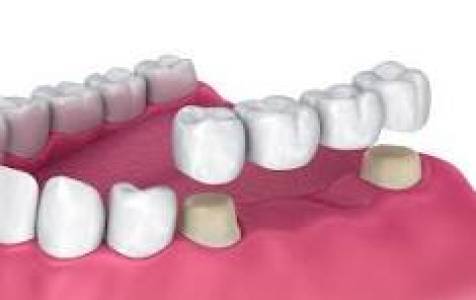
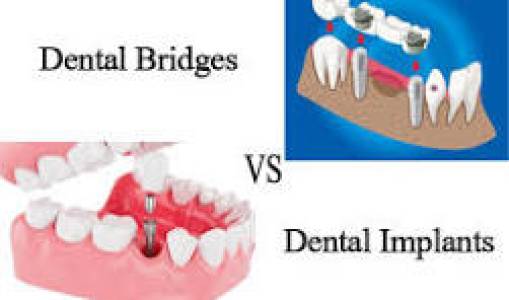
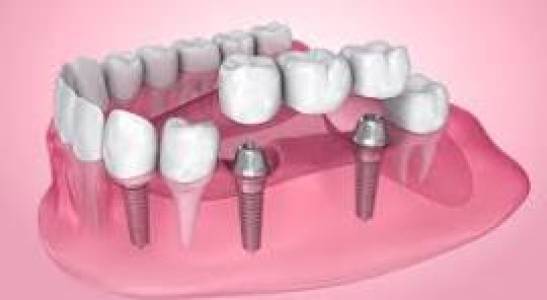
- Saves Your Natural Tooth: Preserves your original tooth, preventing the need for extraction and costly replacements like implants or bridges.
- Prevents Spread of Infection: Stops the infection from spreading to other teeth, gums, or jawbone, protecting your overall health.
- Restores Normal Function: Allows you to chew and speak comfortably and naturally again.
- Maintains Aesthetics: Keeps your natural smile intact, avoiding gaps or the need for artificial teeth.
- Highly Predictable & Long-Lasting: With proper care and a final restoration (like a crown), a treated tooth can last a lifetime.
When is Root Canal Treatment Needed? (Signs & Symptoms)
You might need a root canal if you experience any of the following:
- Severe Toothache: Persistent and throbbing pain, especially when chewing or applying pressure.
- Prolonged Sensitivity: Lingering pain or sensitivity to hot or cold temperatures, even after the source is removed.
- Swelling and Tenderness: Swollen, tender gums around the affected tooth.
- Pimple-Like Bump (Abscess): A recurrent or persistent "pimple" on the gums near the painful tooth, indicating pus drainage.
- Tooth Discoloration: Darkening or discoloration of the tooth, which can signify nerve damage or death.
- Deep Decay or Trauma: An X-ray might reveal deep decay reaching the pulp chamber, or the tooth has suffered a crack, chip, or injury.
The Root Canal Treatment Process
Our dedicated team ensures a smooth and comfortable experience:
- Diagnosis & X-rays: We'll start with a thorough examination, including digital X-rays, to accurately diagnose the problem and assess the extent of the infection.
- Anesthesia: Local anesthetic will be administered to completely numb the tooth and surrounding area, ensuring you feel no pain during the procedure. Sedation options are also available for anxious patients.
- Access Opening: A small opening is made in the crown of the tooth to access the pulp chamber and root canals.
- Cleaning & Shaping: Using specialized instruments (files) and irrigating solutions, the infected or inflamed pulp is carefully removed from the canals. The canals are then meticulously cleaned, disinfected, and shaped to prepare them for filling.
- Filling & Sealing: The cleaned canals are filled with a biocompatible, rubber-like material called gutta-percha, which is sealed with an adhesive cement to prevent re-infection.
- Temporary Filling: A temporary filling is placed in the access opening to protect the tooth until the final restoration.
- Final Restoration (Crown): In most cases, a crown is recommended and crucial to protect the treated tooth from fracture and restore its full strength and function. This is typically done in a separate appointment.
Aftercare and Recovery
After your root canal treatment, it's normal to experience some mild sensitivity or discomfort for a few days, which can be managed with over-the-counter pain relievers. We will provide detailed post-operative instructions, which typically include:
- Avoiding chewing on the treated tooth until your permanent crown or restoration is placed.
- Maintaining good oral hygiene, including regular brushing and flossing.
- Attending your follow-up appointments, especially for the final restoration.
- Contacting us immediately if you experience severe pain or swelling.
Why Choose [Your Clinic Name] for Your Root Canal Treatment?
- Experienced Endodontists/Dentists: Our highly skilled dental professionals have extensive training and experience in performing successful root canal procedures.
- Advanced Technology: We utilize state-of-the-art equipment, including digital X-rays, rotary instruments, and apex locators, to ensure precise and efficient treatment.
- Patient Comfort Focus: We prioritize your comfort and offer various options for pain management and anxiety relief, including sedation dentistry.
- Strict Sterilization Standards: Your safety is paramount. We adhere to the highest sterilization protocols.
- Personalized Care: We take the time to explain every step, answer your questions, and tailor treatment plans to your unique needs.
Frequently Asked Questions (FAQs)
Is a root canal painful?
A: No, with modern anesthetics and techniques, a root canal procedure is typically no more uncomfortable than getting a filling. The goal of the treatment is to relieve your pain, not cause it.
How long does the procedure take?
A: A root canal can usually be completed in one or two appointments, each lasting between 60 to 90 minutes, depending on the complexity of the tooth and the infection.
How much does a root canal cost?
A: The cost varies depending on the tooth involved (front teeth typically have fewer canals than molars) and the complexity. We will provide a detailed cost estimate after your initial consultation.
What happens if I don't get a root canal?
A: If left untreated, the infection can spread, leading to a painful abscess, bone loss, and eventually the need for tooth extraction.
Will I need a crown after a root canal?
A: In most cases, yes. A treated tooth can become brittle over time, and a crown is essential to protect it from fracture, restore its strength, and ensure its long-term success.
Is extraction a better option than a root canal?
A: Generally, no. Saving your natural tooth with a root canal is almost always the preferred option. It maintains your natural bite, chewing efficiency, and smile. Missing teeth can lead to bone loss, shifting teeth, and additional dental problems.
Don't Suffer in Silence – Take the First Step Towards Relief!
If you're experiencing symptoms of an infected tooth, don't delay. Early intervention can prevent further complications and save your tooth.
Contact [Your Clinic Name] today to schedule a consultation. Let us help you eliminate pain, preserve your natural smile, and restore your oral health.
[Your Clinic Name] [Your Clinic Address] [Your Clinic Phone Number] [Your Clinic Email Address] [Your Clinic Website]
Disclaimer: This product description is for informational purposes only and does not constitute medical advice. Please consult with a qualified dental professional for personalized diagnosis and treatment recommendations.