Description
Dental Bridge: Restore Your Smile with Confidence
Missing teeth can impact more than just your appearance; they can affect your ability to eat, speak, and even compromise the health of your remaining natural teeth. A Dental Bridge offers a durable, fixed, and aesthetically pleasing solution to replace one or more missing teeth, "bridging" the gap and restoring the harmony of your smile.
What is a Dental Bridge?
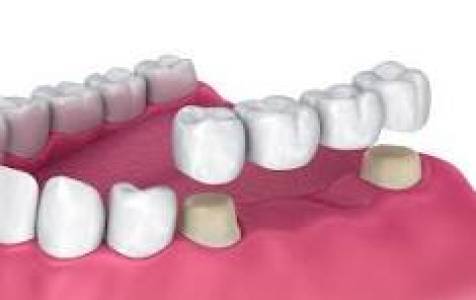
A dental bridge is a custom-made prosthetic device that literally "bridges" the space where one or more teeth are missing. It consists of two or more crowns for the teeth on either side of the gap (called abutment teeth), and a false tooth or teeth (called pontics) in between. These pontics are usually made of porcelain, ceramic, or metal, designed to blend seamlessly with your natural teeth.
Key Benefits of Choosing a Dental Bridge
Choosing a dental bridge can significantly improve your oral health and quality of life. Here are the primary advantages:
- Restores Your Smile: Fills the gap left by missing teeth, providing a complete and natural-looking smile.
- Improves Chewing Ability: Allows you to chew a wider range of foods comfortably and efficiently.
- Enhances Speech: Missing teeth can affect pronunciation; a bridge helps restore clear speech.
- Maintains Facial Structure: Prevents the sunken appearance that can result from bone loss associated with missing teeth over time.
- Prevents Shifting of Remaining Teeth: Keeps adjacent teeth from drifting into the empty space, which can lead to bite problems and further dental issues.
- Distributes Bite Forces: Helps maintain a balanced bite, reducing strain on your remaining natural teeth.
- Durable & Long-Lasting: With proper care, dental bridges can last 10-15 years or even longer.
- Fixed Solution: Unlike removable dentures, bridges are permanently cemented into place, offering stability and convenience.
Types of Dental Bridges
We offer various types of dental bridges to suit individual needs and oral conditions:
- Traditional Bridge: The most common type, consisting of a pontic (false tooth) held in place by crowns cemented onto the abutment teeth on either side of the gap. Ideal when you have healthy natural teeth on both sides of the missing tooth.
- Cantilever Bridge: Used when there are adjacent teeth on only one side of the missing tooth or teeth. While effective, it's generally recommended for areas of lower biting force to avoid potential leverage issues.
- Maryland (Resin-Bonded) Bridge: A more conservative option that utilizes a metal or porcelain framework with "wings" bonded to the back surface of the adjacent natural teeth. It doesn't require extensive preparation of the abutment teeth, making it suitable for front teeth where biting forces are lower.
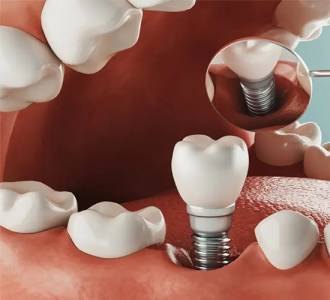
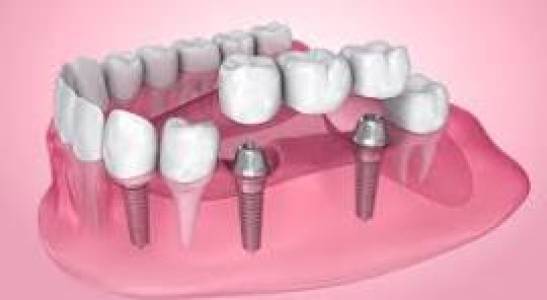
- Implant-Supported Bridge: For situations with multiple missing teeth and no suitable abutment teeth, or when a more stable and bone-preserving solution is desired, a bridge can be anchored by dental implants rather than natural teeth. Please note: This involves a separate dental implant procedure.
Premium Materials for Your Bridge
Your dental bridge will be custom-fabricated using high-quality materials, ensuring both aesthetics and durability:
- Porcelain-Fused-to-Metal (PFM): Offers an excellent balance of strength and aesthetics. A metal alloy framework provides robust support, while a porcelain layer on top mimics the natural tooth color.
- All-Ceramic (e.g., Zirconia, Emax): For superior aesthetics, especially in highly visible areas. These bridges are entirely metal-free, providing exceptional translucency and a natural look that closely matches your existing teeth. They are also highly biocompatible and very strong.
- Gold Alloy: Known for its strength and biocompatibility, gold alloys are occasionally used for posterior bridges, though less common now due to aesthetic preferences.
The Dental Bridge Procedure: What to Expect
The placement of a dental bridge typically involves two appointments:
Appointment 1: Preparation & Impression
- Consultation & Examination: Your dentist will conduct a thorough examination, including X-rays, to determine if a dental bridge is the right solution for you.
- Abutment Tooth Preparation: The natural teeth surrounding the gap (abutment teeth) are gently re-contoured and reshaped to accommodate the crowns that will hold the bridge in place.
- Impressions: Highly accurate impressions (digital or traditional) of your prepared teeth are taken. These impressions are sent to a specialized dental laboratory, where your custom bridge will be meticulously fabricated.
- Temporary Bridge Placement: A temporary bridge will be placed to protect your prepared teeth and maintain your smile while your permanent bridge is being created.
Appointment 2: Placement & Final Cementation
- Trial Fitting: Once your permanent bridge arrives from the lab, your temporary bridge will be removed. Your dentist will carefully fit the new bridge, checking its bite, fit, and appearance. Adjustments will be made as needed.
- Final Cementation: Once you and your dentist are completely satisfied, the bridge is permanently cemented onto your prepared abutment teeth.
- Post-Procedure Instructions: You'll receive detailed instructions on how to care for your new bridge to ensure its longevity.
Care & Maintenance for Your Dental Bridge
To maximize the lifespan of your dental bridge and maintain optimal oral health:
- Brush Twice Daily: Use a soft-bristled toothbrush and fluoride toothpaste.
- Floss Daily: Special flossing tools like floss threaders or super floss are essential to clean underneath the pontic (false tooth) and around the abutment teeth, where plaque can accumulate.
- Regular Dental Check-ups: Visit your dentist for professional cleanings and examinations at least twice a year.
- Avoid Hard & Sticky Foods: Chewing on ice, hard candies, or very sticky foods can damage your bridge.
- Address Bruxism (Teeth Grinding): If you grind or clench your teeth, your dentist may recommend a night guard to protect your bridge and natural teeth.
Is a Dental Bridge Right For You?
A dental bridge is an excellent option for individuals who:
- Have one or more missing teeth.
- Have healthy natural teeth on either side of the gap (for traditional bridges) that can support crowns.
- Desire a fixed (non-removable) solution for tooth replacement.
- Are looking for a cost-effective and proven method to restore function and aesthetics.
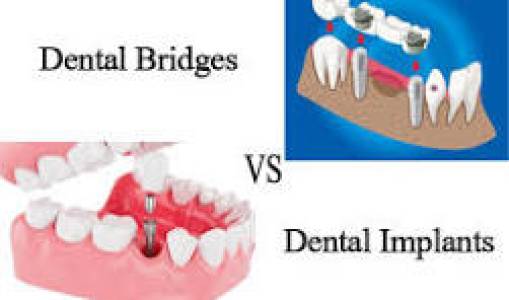
- May not be candidates for dental implants due to health conditions, bone density, or personal preference.
Schedule Your Consultation Today!
Don't let missing teeth compromise your confidence or oral health any longer. Contact us today to schedule a comprehensive consultation. Our experienced dental team will assess your unique situation, discuss all available options, and help you determine if a dental bridge is the perfect solution to restore your beautiful, functional smile.