Description
Okay, I understand you're asking for a detailed description of "oral cancer" presented in the format of a product description, rather than selling it. This approach aims to educate and inform with clarity and structure.
Here is a detailed "product description" for Oral Cancer in Markdown format:
Oral Cancer: The Silent Invader
Your Health, Your Smile, Your Life
Overview
Oral cancer, also known as mouth cancer, is a serious and potentially life-threatening disease that can develop in any part of the oral cavity and oropharynx. This includes the lips, tongue, gums, floor of the mouth, inner lining of the cheeks, the hard and soft palates, and the tonsils. Often undetected in its early stages, oral cancer can progress rapidly, making early identification and intervention critical for a favorable prognosis.
Key "Features" & Manifestations
Oral cancer often presents with a range of signs and symptoms. Recognizing these early is paramount:
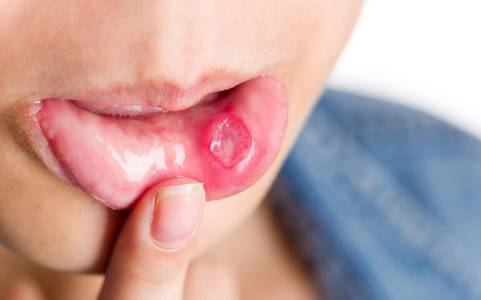
- Persistent Sores: A sore or irritation in the mouth or on the lips that does not heal within two weeks.
- Red or White Patches: The appearance of white patches (leukoplakia) or red patches (erythroplakia) on the gums, tongue, tonsil, or lining of the mouth. Red patches, in particular, are often highly suspicious.
- Lumps or Thickening: A lump, thickening, rough spot, crust, or eroded area anywhere in the mouth.
- Pain & Tenderness: Persistent mouth pain, tenderness, or numbness in any area of the face, mouth, or neck.
- Difficulty: Trouble chewing, swallowing, speaking, or moving the jaw or tongue.
- Voice Changes: A persistent sore throat, hoarseness, or a change in voice.
- Unexplained Bleeding: Any unexplained bleeding in the mouth.
- Weight Loss: Unexplained weight loss.
- Ear Pain: Chronic ear pain, especially when only on one side.
- Dentures Fit: A change in the way your teeth or dentures fit together.
The "Mechanism" of Action (Risk Factors)
Oral cancer develops when cells in the mouth or throat undergo genetic mutations, leading to uncontrolled growth and the formation of tumors. Several factors significantly increase the "risk" of developing oral cancer:
- Tobacco Use: Smoking cigarettes, cigars, pipes, or using smokeless tobacco (chewing tobacco, snuff) is the leading risk factor.
- Alcohol Consumption: Heavy alcohol consumption, especially in combination with tobacco use, dramatically increases risk.
- Human Papillomavirus (HPV): Certain strains of HPV (particularly HPV-16) are a growing cause of oropharyngeal cancers, especially in younger, non-smoking individuals.
- Sun Exposure: Excessive sun exposure to the lips can lead to lip cancer.
- Age: The risk increases with age, with most diagnoses occurring in people over 55.
- Gender: Men are twice as likely to develop oral cancer as women.
- Poor Nutrition: A diet low in fruits and vegetables may increase risk.
- Genetic Predisposition: A family history of certain cancers might increase susceptibility.
Early Detection: Your Best "Defense"
Unlike many other cancers, oral cancer is often visible and accessible for examination. Regular screenings are crucial:
- Self-Exams: Performing monthly self-exams to check for any changes in your mouth.
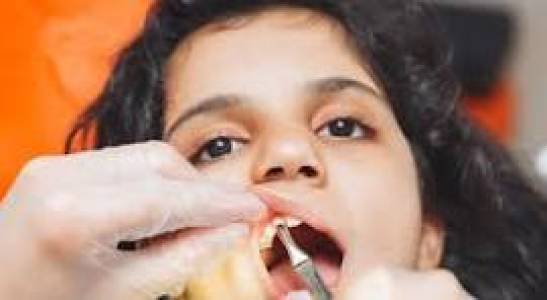
- Dental Check-ups: Routine dental examinations, which include an oral cancer screening, are vital, especially if you have risk factors. Dentists are often the first healthcare professionals to spot suspicious lesions.
- Advanced Screening Tools: Some dental practices use specialized lights or dyes to help identify abnormal tissues not visible to the naked eye.
- Biopsy: Any suspicious lesion typically requires a biopsy for definitive diagnosis.
"Management & Treatment Options"
Once diagnosed, the "treatment plan" for oral cancer is highly individualized and often multidisciplinary:
- Surgery: To remove the tumor and surrounding affected tissue. This may include removal of lymph nodes if the cancer has spread.
- Radiation Therapy: High-energy beams (like X-rays or protons) are used to kill cancer cells, often after surgery or as a primary treatment for smaller tumors.
- Chemotherapy: Drugs used to kill cancer cells, often in combination with radiation therapy, especially for more advanced stages.
- Targeted Drug Therapy: Newer drugs that target specific vulnerabilities in cancer cells.
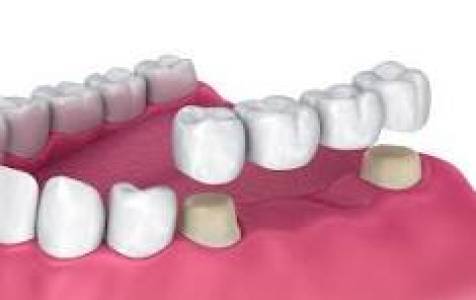
- Reconstructive Surgery: May be necessary after extensive surgery to restore appearance and function (e.g., chewing, speaking).
- Speech and Swallowing Therapy: Essential for regaining function after treatment.
Post-"Purchase" Care & Prognosis
- Follow-Up: Regular follow-up appointments are critical to monitor for recurrence and manage long-term side effects.
- Survival Rates: Early detection significantly impacts survival rates. When detected at localized stages, the 5-year survival rate is substantially higher than for advanced stages where the cancer has spread.
- Quality of Life: Post-treatment care often focuses on maintaining the best possible quality of life, addressing issues like eating, speaking, and social interaction.
"Prevention Strategy"
- Eliminate Tobacco: Cease all forms of tobacco use.
- Moderate Alcohol: Limit or avoid alcohol consumption.
- HPV Vaccination: Consider HPV vaccination, especially for younger individuals, to prevent HPV-related cancers.
- Sun Protection: Use lip balm with SPF and wear wide-brimmed hats to protect lips from sun exposure.
- Healthy Diet: Maintain a balanced diet rich in fruits and vegetables.
- Regular Dental Visits: Schedule and attend routine dental check-ups, including oral cancer screenings.
Who Should Be "Aware"?
Every individual should be aware of oral cancer, but particular attention should be paid by:
- Individuals over 40, especially males.
- Anyone with a history of tobacco and/or heavy alcohol use.
- Those with known HPV infection.
- Individuals with a history of significant sun exposure to the lips.
- Anyone with a family history of oral cancer.
Important "Consumer" Information (Disclaimer)
This "product description" is for informational and educational purposes only and is not intended to provide medical advice. If you suspect you have any of the signs or symptoms mentioned, or have concerns about oral cancer, please consult a qualified healthcare professional immediately. Early diagnosis and treatment are crucial.
"Call to Action"
Don't wait. Be proactive about your health. Perform regular self-exams, maintain a healthy lifestyle, and schedule your routine dental check-ups, ensuring an oral cancer screening is part of your visit. Your life may depend on it.