Description
Here's a detailed product description for Dental Bridge Treatment, formatted in Markdown:
Restore Your Smile and Function with Our Advanced Dental Bridge Treatment
Missing one or more teeth can significantly impact your confidence, ability to chew comfortably, and even the health of your remaining natural teeth. At [Your Clinic Name], we offer state-of-the-art Dental Bridge Treatment, a reliable and aesthetic solution designed to beautifully bridge the gap left by missing teeth, restoring both the appearance and functionality of your smile.
What is a Dental Bridge?
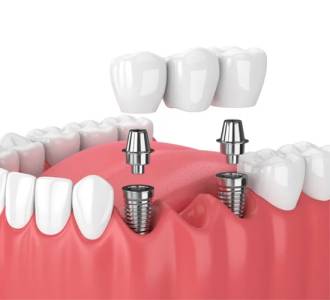
A dental bridge is a fixed dental prosthetic that literally "bridges" the gap created by one or more missing teeth. It typically consists of an artificial tooth (called a pontic) which is held in place by dental crowns placed on the natural teeth on either side of the gap (known as abutment teeth). Bridges are custom-made to match the color, shape, and size of your existing teeth, providing a seamless and natural-looking replacement.
The Benefits of Choosing a Dental Bridge
Opting for a dental bridge offers a multitude of advantages:
- Restore Your Smile: Fill the unsightly gap, enhancing your facial aesthetics and boosting your self-confidence.
- Improve Chewing & Speaking: Regain the ability to eat a wider variety of foods and speak clearly without impediment.
- Maintain Facial Structure: Prevent the collapse of facial tissues that can occur with missing teeth, preserving your natural facial contours.
- Prevent Tooth Shifting: Stop remaining natural teeth from drifting out of position into the empty space, which can lead to bite problems and further oral health issues.
- Distribute Bite Force: Properly distribute the forces of your bite by replacing missing teeth, alleviating excessive stress on your remaining natural teeth.
- Durable & Long-Lasting: With proper care, dental bridges can last for many years, providing a stable and reliable solution.
- Fixed Solution: Unlike removable partial dentures, bridges are permanently cemented in place, offering superior comfort and convenience.
Types of Dental Bridges We Offer
We provide various types of dental bridges, and our experienced dentists will help determine the best option for your specific needs:
1. Traditional Bridges
- Description: The most common type, used when you have natural teeth on both sides of the gap. Crowns are placed on these abutment teeth, holding the pontic (false tooth) in between.
- Ideal For: Patients with healthy adjacent teeth that can support the bridge.
2. Cantilever Bridges
- Description: Similar to traditional bridges, but the pontic is supported by a dental crown on only one adjacent tooth.
- Ideal For: Situations where there's only one natural tooth next to the missing tooth gap. Less common due to less stability.
3. Maryland (Resin-Bonded) Bridges
- Description: These bridges use a metal or porcelain framework with "wings" that are bonded to the back surface of the adjacent natural teeth, rather than requiring crowns. Less invasive.
- Ideal For: Replacing a single front tooth, or when adjacent teeth are healthy and don't require crowns.
4. Implant-Supported Bridges
- Description: For multiple missing teeth, instead of relying on natural teeth for support, the bridge is anchored by dental implants surgically placed into the jawbone.
- Ideal For: Patients missing several teeth in a row, offering the strongest, most stable, and most long-lasting solution, without placing stress on natural teeth.
Is a Dental Bridge Right for You? (Ideal Candidates)
A dental bridge may be an excellent option if you:
- Are missing one or more teeth.
- Have healthy natural teeth surrounding the gap (for traditional or cantilever bridges).
- Have good overall oral health.
- Are looking for a fixed, non-removable tooth replacement option.
- Prefer a solution that can be completed in fewer appointments compared to implants (for non-implant supported bridges).
During your comprehensive consultation, we will thoroughly assess your oral health, discuss your goals, and recommend the most suitable bridge type for your unique situation.
The Dental Bridge Treatment Process
Getting a dental bridge typically involves a few visits to our office:
- Comprehensive Consultation & Planning: We'll conduct a thorough examination, take X-rays, and discuss your treatment options. We'll answer all your questions and create a personalized treatment plan.
- Tooth Preparation: For traditional or cantilever bridges, the abutment teeth will be reshaped and prepared to accommodate the crowns. For Maryland bridges, minimal preparation of the back surfaces of the teeth may be required.
- Impressions: Accurate impressions (molds) of your teeth will be taken. These impressions are sent to a dental laboratory where your custom bridge will be meticulously crafted.
- Temporary Bridge Placement: A temporary bridge will be placed to protect your prepared teeth and maintain aesthetics while your permanent bridge is being made.
- Permanent Bridge Placement: Once your custom bridge arrives from the lab, you'll return for your final appointment. The temporary bridge is removed, and your new permanent bridge is carefully fitted, adjusted for optimal bite and comfort, and then permanently cemented into place.
- Follow-Up: We'll schedule follow-up appointments to ensure your bridge is comfortable and functioning perfectly.
Caring for Your Dental Bridge
With proper care, your dental bridge can last for 10-15 years or even longer. Key maintenance steps include:
- Excellent Oral Hygiene: Brush twice daily and floss regularly. Special bridge threaders or interdental brushes are crucial to clean beneath the pontic and around the abutment teeth to prevent plaque buildup and gum disease.
- Regular Dental Check-ups & Cleanings: Continue to visit us for routine examinations and professional cleanings.
- Avoid Hard & Sticky Foods: Limit foods that could potentially dislodge or damage your bridge.
- Address Bruxism (Teeth Grinding): If you grind or clench your teeth, we may recommend a night guard to protect your bridge and natural teeth.
Why Choose [Your Clinic Name] for Your Dental Bridge?
- Experienced & Caring Team: Our dentists have extensive experience in designing and placing beautiful, functional dental bridges.
- Advanced Technology: We utilize modern dental technology for precise diagnostics and treatment.
- Personalized Care: We take the time to understand your individual needs and goals, ensuring a tailored treatment plan.
- Comfort-Focused Environment: Your comfort is our priority, and we strive to make every visit a positive experience.
- Exceptional Results: We are committed to helping you achieve a healthy, confident, and complete smile.
Take the First Step – Schedule Your Consultation Today!
Don't let missing teeth impact your quality of life any longer. A dental bridge can be a transformative solution, restoring your ability to smile, speak, and eat with confidence.
Contact [Your Clinic Name] today to schedule your comprehensive consultation and discover if a dental bridge is the right solution for you.
Phone: [Your Clinic Phone Number] Website: [Your Clinic Website] Address: [Your Clinic Address]
Disclaimer: This product description provides general information about dental bridge treatment. It is not a substitute for professional dental advice, diagnosis, or treatment. The suitability of a dental bridge, the specific type, and the treatment plan will be determined by a qualified dentist after a thorough examination and discussion of your individual needs and oral health.