Description
Here's a detailed product description for Root Canal Treatment in Markdown format, suitable for a dental practice's website or patient information material.
Root Canal Treatment (Endodontic Therapy)
Say Goodbye to Dental Pain and Save Your Natural Tooth!
Is severe toothache, persistent sensitivity, or swelling making your life miserable? Don't despair! Root Canal Treatment, also known as Endodontic Therapy, is a highly effective and common dental procedure designed to save a tooth that has become severely infected or damaged, alleviating pain and restoring your oral health.
Why Choose Root Canal Treatment?
- Eliminate Pain: Directly targets the source of infection, providing significant relief from severe toothache and discomfort.
- Save Your Natural Tooth: Prevents the need for extraction, preserving your natural smile, bite, and the alignment of surrounding teeth.
- Stop Infection Spread: Thoroughly cleanses and disinfects the root canal system, preventing bacteria from spreading to other parts of your mouth or body.
- Restore Function: Allows you to chew, speak, and smile comfortably and confidently again.
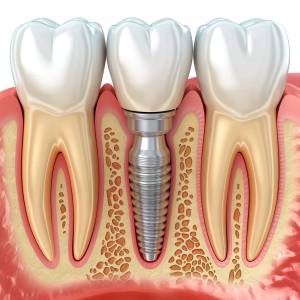
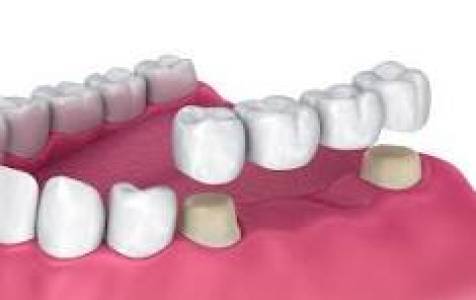
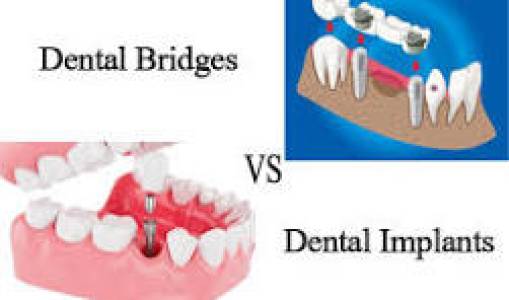
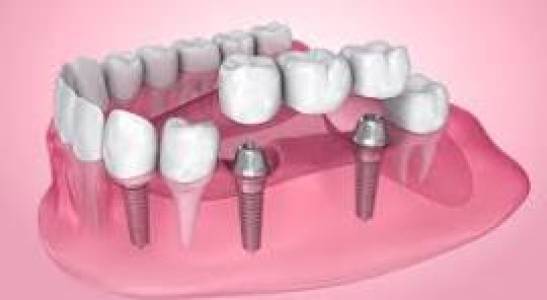
- Maintain Oral Health: Avoids the complications of tooth loss, such as bone deterioration, shifting teeth, and potential need for costly tooth replacement options like implants or bridges.
Understanding Root Canal Treatment
Deep inside every tooth is a soft tissue called the dental pulp. This pulp contains nerves, blood vessels, and connective tissue, which help the tooth grow during development. While vital during tooth development, a fully developed tooth can survive without its pulp as it receives nourishment from the surrounding tissues.
When the pulp becomes inflamed or infected due due to deep decay, repeated dental procedures, cracks, trauma, or gum disease, it can cause severe pain and lead to a painful abscess if left untreated.
Root Canal Treatment involves carefully removing this infected or inflamed pulp, thoroughly cleaning and shaping the inside of the root canal system, and then filling and sealing the space to prevent re-infection. This procedure effectively eliminates pain, clears the infection, and allows you to keep your natural tooth for many years to come.
When is Root Canal Treatment Recommended?
You might need Root Canal Treatment if you experience any of the following symptoms, which indicate a possible pulp infection or damage:
- Severe toothache when chewing or applying pressure.
- Prolonged sensitivity to hot or cold temperatures, even after the source is removed.
- Tenderness or swelling in the surrounding gums.
- Pimples on the gums (a dental fistula or abscess), indicating pus drainage.
- Discoloration or darkening of the tooth.
- Pain that wakes you up at night.
- Radiographic evidence of infection or inflammation detected by your dentist during an X-ray.
The Treatment Process: What to Expect
Our priority is your comfort and well-being throughout the entire root canal procedure. Thanks to modern techniques and local anesthesia, root canal treatment is often no more uncomfortable than having a regular filling. Here's a general overview:
- Diagnosis & Anesthesia: We begin with a thorough examination, including X-rays and vitality tests, to confirm the need for RCT. Local anesthesia is administered to numb the affected tooth and surrounding area, ensuring you feel no pain during the procedure.
- Access Opening: A small access opening is created in the crown of the tooth to reach the pulp chamber and root canals.
- Pulp Removal & Cleaning: The infected or inflamed pulp is carefully removed using specialized instruments called endodontic files. The root canals are then meticulously cleaned, shaped, and disinfected with antiseptic solutions to remove all bacteria and debris.
- Filling & Sealing: Once the canals are thoroughly cleaned and dry, they are filled with a biocompatible, rubber-like material called gutta-percha. This material is used to seal the canals completely and prevent future infection.
- Temporary Filling: A temporary filling is placed in the access opening to protect the tooth between appointments (if more than one visit is needed).
- Final Restoration: In most cases, a dental crown or permanent filling is highly recommended after root canal treatment. This step is crucial to protect the treated tooth from fracture and restore its full strength, function, and appearance. A treated tooth can become more brittle over time, and a crown provides the necessary long-term protection.
After Your Root Canal Treatment
It's normal to experience some mild sensitivity or discomfort for a few days after the procedure, especially as the tissues around the tooth heal. This can typically be managed with over-the-counter pain medication.
- Avoid chewing on the treated tooth until your final restoration (crown or permanent filling) is placed to prevent further damage.
- Maintain excellent oral hygiene with regular brushing and flossing.
- Attend your follow-up appointments for placement of the permanent restoration.
- With proper care and a good final restoration, a tooth treated with root canal therapy can last a lifetime, just like your other natural teeth.
Don't Let Pain Control Your Life!
If you're experiencing symptoms of an infected or damaged tooth, don't delay. Early intervention with Root Canal Treatment can save your tooth, prevent more complex and costly issues, and restore your comfort and peace of mind.
[Book Your Consultation Today!](mailto:your_email@example.com?subject=Root%20Canal%20Consultation) [Call Us Now to Schedule!](tel:+1234567890)
Let our experienced and compassionate team help you find relief and restore your healthy, beautiful smile.
Disclaimer: This product description provides general information about Root Canal Treatment. Individual results may vary. A thorough consultation with a qualified dental professional is necessary to determine the best course of treatment for your specific dental needs and health conditions.