Description
Here's a detailed product description for Root Canal Therapy, formatted in Markdown:
Root Canal Therapy: Save Your Smile, End the Pain
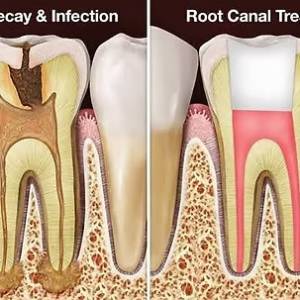
Root Canal Therapy, also known as endodontic treatment, is a highly effective and common dental procedure designed to save a tooth that is infected or severely decayed. It addresses problems within the tooth's pulp – the soft tissue inside the tooth that contains nerves, blood vessels, and connective tissue. When this pulp becomes inflamed or infected, it can cause excruciating pain and, if left untreated, lead to tooth loss and spread of infection.
Our Root Canal Therapy offers a comprehensive solution to eliminate pain, eradicate infection, and preserve your natural tooth, ensuring long-term oral health and comfort.
✨ Key Features & Benefits
- Alleviates Excruciating Pain: Eliminates the source of discomfort caused by deep infection or inflammation within the tooth's pulp.
- Preserves Your Natural Tooth: Avoids the need for tooth extraction, maintaining your natural bite, chewing efficiency, and facial structure.
- Stops Infection Spread: Thoroughly cleans and disinfects the root canal system, preventing bacteria from spreading to surrounding teeth, gums, and bone.
- Restores Chewing & Speaking: Allows you to eat, chew, and speak comfortably and naturally without pain or sensitivity.
- Durable & Long-lasting: With proper care and subsequent restoration (often a dental crown), a treated tooth can last a lifetime.
- Maintains Esthetics: Keeps your natural smile intact, preventing gaps caused by missing teeth.
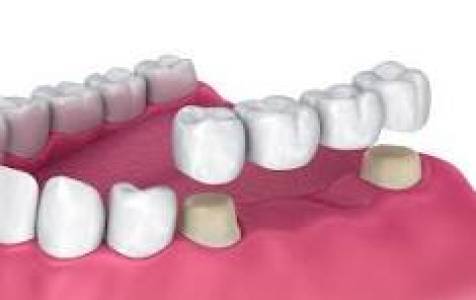
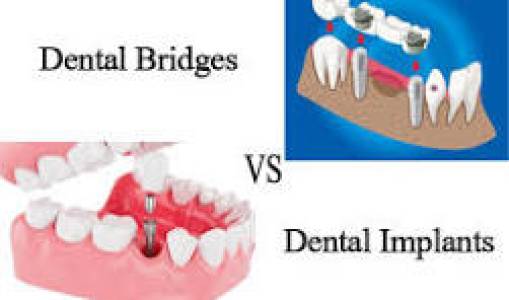
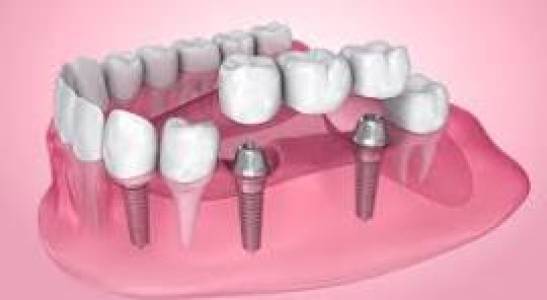
- Cost-Effective Solution: Often less expensive in the long run than tooth extraction followed by a bridge or dental implant.
🧐 Who Needs Root Canal Therapy? (Indications)
You might be a candidate for Root Canal Therapy if you experience:
- Severe toothache when chewing or applying pressure.
- Prolonged sensitivity to hot or cold temperatures (even after the source is removed).
- Darkening or discoloration of the tooth.
- Swelling and tenderness in the surrounding gums.
- A persistent or recurring pimple on the gums.
- A chipped or cracked tooth with pulp exposure.
- Deep decay that has reached the pulp.
- Trauma to the tooth that has damaged the pulp.
🛠️ How It Works: The Procedure
The Root Canal procedure typically involves several meticulous steps, usually completed in one or two appointments:
- Diagnosis & Anesthesia: Your dentist will examine the affected tooth and take detailed X-rays to assess the extent of the infection. Local anesthetic will be administered to numb the area, ensuring a comfortable, pain-free experience.
- Access Opening: A small, precise opening is created in the crown of the tooth (the visible part) to access the pulp chamber and root canals.
- Cleaning & Shaping: The infected or inflamed pulp is carefully removed. The root canals are then thoroughly cleaned, disinfected, and shaped using specialized instruments to prepare them for filling.
- Filling (Obturation): Once the canals are clean and dry, they are filled with a biocompatible, rubber-like material called gutta-percha, which is sealed with an adhesive cement to prevent re-infection.
- Restoration: A temporary filling is placed to protect the tooth until your next appointment. In most cases, a permanent crown or other restorative filling will be placed on the treated tooth to protect it from fracture and restore its full function and appearance.
📊 Specifications & Success Rate
- Procedure Duration: Typically 60-90 minutes per tooth, though this can vary based on the tooth's complexity (e.g., number of roots) and the severity of the infection.
- Materials Used: Gutta-percha, dental sealers, composite resin, porcelain (for crowns), and other biocompatible materials.
- Success Rate: Root Canal Therapy boasts a high success rate, often exceeding 95% when performed correctly and followed by appropriate permanent restoration.
- Recovery Time: Most patients experience mild discomfort for a few days post-procedure, manageable with over-the-counter pain relievers. Full recovery and stability are achieved once the permanent restoration is in place.
✅ What to Expect Post-Procedure
- Temporary Sensitivity: It's normal to experience some mild sensitivity or soreness for a few days, especially when chewing.
- Avoid Chewing: Until your permanent crown or filling is placed, avoid chewing on the treated tooth to prevent potential fracture.
- Oral Hygiene: Continue with excellent oral hygiene: brush and floss regularly, and attend all scheduled dental check-ups.
- Follow Instructions: Adhere strictly to all post-operative care instructions provided by your dentist to ensure optimal healing and longevity of the treatment.
Don't Let Tooth Pain Control Your Life.
If you suspect you need Root Canal Therapy or are experiencing severe tooth pain, contact us today to schedule a comprehensive examination. Our experienced team is dedicated to providing comfortable, effective treatment to restore your oral health and bring back your pain-free smile.
Schedule Your Consultation Here Learn More About Endodontics and Dental Health
Disclaimer: This information is for general educational purposes only and does not constitute medical advice. Always consult with a qualified dental professional for diagnosis and treatment of any dental condition.