Description
Root Canal Therapy: Preserve Your Natural Smile, Eliminate Pain
Are you experiencing persistent tooth pain, prolonged sensitivity, or swelling around a specific tooth? You might be a candidate for Root Canal Therapy (RCT), a highly effective and common dental procedure designed to save a tooth that has become infected or severely damaged, preventing its extraction.
At [Your Practice Name/Clinic Name], we specialize in modern, comfortable root canal treatments, utilizing advanced techniques and technology to provide lasting relief and preserve your natural dentition.
Why Choose Root Canal Therapy?
Root Canal Therapy is often the best solution for a damaged or infected tooth, offering numerous benefits:
- Pain Relief: The primary and most immediate benefit – eliminates the source of severe discomfort and restores comfort.
- Tooth Preservation: Saves your natural tooth from extraction, maintaining your natural bite and alignment.
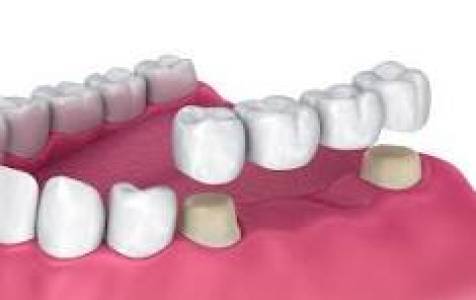
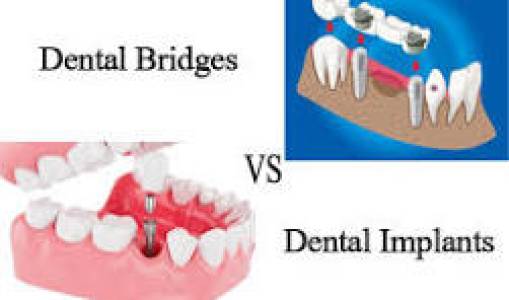
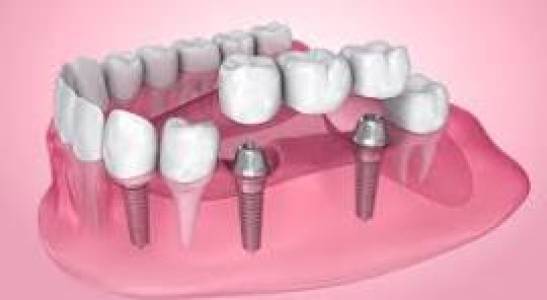
- Maintain Natural Smile: Keeps your existing teeth, preventing gaps and the need for artificial replacements like bridges or implants (which may be more invasive and costly).
- Restored Chewing Function: Allows you to eat and speak comfortably and naturally.
- Prevents Infection Spread: Stops bacteria from affecting surrounding teeth, gums, and bone, protecting your overall oral health.
- Cost-Effective Long-Term: Often a more economical solution over time compared to extraction followed by an implant or bridge.
What is Root Canal Therapy?
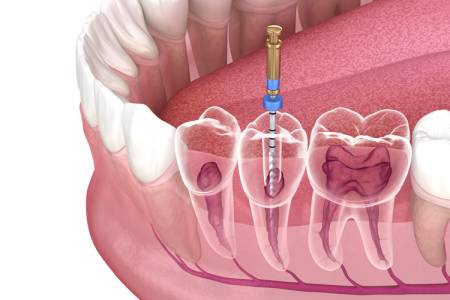
At its core, a root canal procedure involves removing the infected or inflamed pulp – the soft tissue inside your tooth containing nerves and blood vessels. When this pulp becomes compromised due to deep decay, repeated dental procedures, cracks, or trauma, it can lead to severe pain and infection.
The Importance of the Dental Pulp:
While vital during tooth development, a fully developed tooth can survive without its pulp because it continues to be nourished by the surrounding tissues. Removing the infected pulp eliminates the source of pain and infection, allowing the tooth to remain functional.
When is a Root Canal Needed? (Indications)
You might need a root canal if you experience any of the following symptoms:
- Severe toothache: Especially when chewing or applying pressure.
- Prolonged sensitivity: To hot or cold temperatures, even after the source is removed.
- Discoloration or darkening of the tooth.
- Swelling and tenderness: In the surrounding gums.
- A persistent pimple-like bump on the gums (known as a fistula or abscess).
- Deep decay or trauma that has reached the pulp of the tooth.
Your Root Canal Journey: What to Expect
Modern root canal treatments are often no more uncomfortable than a routine filling. Here's a simplified overview of the process:
- Diagnosis & Anesthesia: We begin with a thorough examination, including X-rays, to confirm the diagnosis. Local anesthesia is administered to numb the affected tooth and surrounding area, ensuring a pain-free procedure.
- Access Opening: A small opening is made in the crown of the tooth to access the pulp chamber and root canals.
- Pulp Removal & Cleaning: The infected or inflamed pulp is carefully removed from the pulp chamber and root canals using specialized instruments.
- Shaping & Disinfection: The root canals are meticulously cleaned, disinfected, and shaped to prepare them for filling.
- Filling & Sealing: The cleaned and shaped canals are filled with a biocompatible material, typically a rubber-like compound called gutta-percha, and sealed with adhesive cement to prevent reinfection.
- Restoration: A temporary filling is placed in the access opening. In most cases, a permanent crown or other restorative solution will be necessary to protect the treated tooth from fracture and restore its full function and appearance.
After Your Root Canal: Care & Recovery
- Temporary Sensitivity: It's normal to experience some mild sensitivity or discomfort for a few days after the procedure, especially when chewing. This can usually be managed with over-the-counter pain relievers.
- Pain Management: We will provide specific post-operative instructions and discuss prescription pain medication if necessary.
- Oral Hygiene: Continue with regular brushing and flossing.
- Follow-Up: A follow-up appointment will be scheduled to place the permanent crown or restoration, which is crucial for the long-term success of the treatment.
- Permanent Restoration: Avoiding chewing on the treated tooth until the permanent restoration is in place is important to prevent fracture.
Why Choose [Your Practice Name] for Your Root Canal?
- Experienced Professionals: Our skilled dentists and endodontists (root canal specialists) have extensive experience in performing successful root canal treatments.
- Advanced Technology: We utilize state-of-the-art equipment, including digital X-rays, rotary endodontics, and magnification, for precise and efficient treatment.
- Patient Comfort: We prioritize your comfort with gentle techniques, local anesthesia, and options for sedation to ensure a relaxed experience.
- Comprehensive Care: From diagnosis to follow-up, we provide integrated care, working with you to ensure the best possible outcome for your oral health.
- Personalized Treatment: Every patient's needs are unique. We develop tailored treatment plans to address your specific condition and concerns.
Dispelling Root Canal Myths
Don't let outdated myths prevent you from receiving vital treatment:
- Myth 1: Root canals are extremely painful.
- Fact: With modern anesthesia and techniques, root canal therapy is designed to relieve pain, not cause it. Most patients experience little to no discomfort during the procedure.
- Myth 2: It's better to just extract the tooth.
- Fact: Saving your natural tooth is almost always the best option. An extraction creates a gap that can lead to shifting teeth, difficulty chewing, and potentially more expensive replacement options like implants or bridges.
- Myth 3: Root canal treatment causes illness.
- Fact: This outdated and unsubstantiated claim has been thoroughly debunked by scientific research. Root canals are safe and effective.
Ready to Find Relief and Preserve Your Smile?
Don't let dental pain dictate your life. If you're experiencing symptoms of an infected or damaged tooth, prompt evaluation is key to successful treatment and preventing further complications.
Contact [Your Practice Name] today to schedule a consultation and see if Root Canal Therapy is the right solution for you.
[Phone Number] [Website] [Address]
Please note: This information is for educational purposes only and does not constitute medical advice. A proper diagnosis and treatment plan can only be determined by a qualified dental professional.