Description
Here is a detailed product description for "Periodontal Disease" in Markdown format, framed as information provided by a dental practice or health resource.
Periodontal Disease: A Comprehensive Guide to Gum Health
Periodontal disease, commonly known as gum disease, is a serious inflammatory condition that affects the tissues supporting your teeth. Often progressing painlessly and unnoticed in its early stages, it can lead to severe oral health problems, including tooth loss, and has been linked to various systemic health issues if left untreated.
What is Periodontal Disease?
Periodontal disease begins when bacteria in plaque – a sticky, colorless film that constantly forms on your teeth – produce toxins that irritate the gums. This irritation leads to inflammation, which, over time, can cause the gums to pull away from the teeth, creating pockets where more bacteria, plaque, and calculus (hardened plaque) can accumulate.
Without intervention, this destructive process can break down the bone and connective tissues that hold your teeth in place, leading to loosening, shifting, and eventual tooth loss.
Stages of Periodontal Disease
Periodontal disease typically progresses through two main stages:
1. Gingivitis (Early Stage)
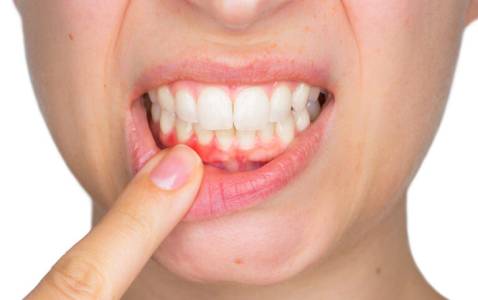
- Description: This is the mildest form of gum disease, characterized by red, swollen, and tender gums that may bleed easily during brushing or flossing.
- Cause: Primarily caused by inadequate oral hygiene, allowing plaque to build up at the gumline.
- Reversibility: At this stage, the infection has not yet spread to the bone. Gingivitis is often reversible with professional dental cleanings and diligent daily oral hygiene.
2. Periodontitis (Advanced Stages)
- Description: If gingivitis is left untreated, it can advance to periodontitis, which is much more serious. In this stage, the inflammation spreads below the gumline, causing the inner layer of the gum and bone to pull away from the teeth, forming pockets.
- Progression: These pockets become breeding grounds for bacteria, which continue to release toxins. The body's immune response to these toxins and bacteria begins to break down the bone and connective tissue that hold teeth in place.
- Types: Periodontitis can be further classified as:
- Chronic Periodontitis: The most common form, characterized by inflammation below the gum line and progressive loss of attachment and bone.
- Aggressive Periodontitis: A rapid form of gum destruction, often seen in otherwise healthy individuals.
- Necrotizing Periodontal Diseases: Characterized by the death of gum tissue, bone, and periodontal ligament, common in individuals with compromised immune systems.
- Periodontitis as a Manifestation of Systemic Diseases: Associated with conditions like diabetes, heart disease, and respiratory disease.
Causes & Risk Factors
While poor oral hygiene is the primary catalyst, several factors can increase your risk of developing periodontal disease:
- Poor Oral Hygiene: Inadequate brushing and flossing allows plaque to accumulate and harden into calculus (tartar).
- Smoking and Tobacco Use: One of the most significant risk factors; it weakens the immune system's fight against bacteria and hinders gum healing.
- Hormonal Changes: Pregnancy, puberty, menopause, and menstruation can make gums more sensitive and prone to inflammation.
- Diabetes: People with diabetes are at higher risk for developing infections, including gum disease, due to impaired immune function and healing.
- Certain Medications: Some drugs (e.g., antidepressants, certain heart medications) can reduce saliva flow, which plays a protective role in the mouth.
- Genetic Predisposition: Some individuals are genetically more susceptible to gum disease.
- Stress: Can weaken the immune system, making it harder to fight off infections.
- Poor Nutrition: A diet lacking essential nutrients can compromise the immune system.
- Systemic Diseases: Conditions like AIDS or autoimmune diseases can affect gum health.
Common Symptoms
Periodontal disease can often progress without noticeable pain, making regular dental check-ups crucial. Be vigilant for these symptoms:
- Red, swollen, or tender gums
- Gums that bleed easily during brushing or flossing
- Persistent bad breath (halitosis)
- Receding gums (gums pulling away from the teeth, making teeth look longer)
- Pus between your teeth and gums
- Loose or shifting teeth
- Changes in the way your teeth fit together when you bite
- Changes in the fit of partial dentures
- New spaces developing between your teeth
Potential Complications (Beyond Oral Health)
The impact of periodontal disease extends far beyond your mouth. Research has shown links to serious systemic health issues:
- Tooth Loss: The most direct and devastating oral consequence.
- Increased Risk of Heart Disease: Bacteria from infected gums can enter the bloodstream, potentially contributing to arterial plaque formation.
- Stroke: A potential connection has been observed between periodontal disease and an increased risk of stroke.
- Diabetes Management: Gum disease can make it harder to control blood sugar levels, and uncontrolled diabetes can worsen gum disease.
- Respiratory Diseases: Aspiration of bacteria from the mouth into the lungs can lead to pneumonia or exacerbate existing respiratory conditions.
- Pregnancy Complications: Pregnant women with periodontal disease may have a higher risk of premature birth and low birth weight babies.
- Other Systemic Inflammatory Conditions: Potential links to rheumatoid arthritis and other inflammatory diseases.
Diagnosis: A Professional Assessment
A thorough diagnosis by a dentist or periodontist (a gum specialist) typically involves:
- Review of Medical and Dental History: To identify risk factors.
- Visual Examination: Checking for redness, swelling, and bleeding gums.
- Periodontal Probing: Using a small ruler (probe) to measure the depth of the gum pockets around your teeth. Deeper pockets usually indicate more advanced disease.
- Dental X-rays: To assess bone loss around the teeth, which is a key indicator of periodontitis severity.
Treatment Options: Restoring Your Oral Health
The goal of periodontal treatment is to remove plaque and tartar, reduce inflammation, eliminate pockets, and prevent further damage. Treatment approaches vary depending on the stage and severity of the disease:
Non-Surgical Treatments (for milder cases or initial therapy)
- Scaling and Root Planing (Deep Cleaning): This procedure involves removing plaque and tartar from above and below the gumline and smoothing the root surfaces to prevent future bacterial attachment.
- Antibiotics: Oral antibiotics, topical gels, or antibiotic chips placed in gum pockets may be used to control bacterial infection.
- Antimicrobial Mouthwashes: Prescribed to reduce bacterial load.
Surgical Treatments (for advanced cases)
- Flap Surgery (Pocket Reduction Surgery): The gums are lifted back to allow for thorough removal of tartar and reshaping of damaged bone. The gums are then sutured back into place.
- Soft Tissue Grafts: Tissue taken from the roof of your mouth or another donor site is used to cover exposed roots or enhance gum tissue.
- Bone Grafting: Uses fragments of your own bone, synthetic bone, or donated bone to regenerate bone destroyed by periodontitis.
- Guided Tissue Regeneration (GTR): A small piece of mesh-like fabric is inserted between the bone and gum tissue to prevent gum tissue from growing into the area where bone should be.
- Growth Factors: Gels containing growth-stimulating proteins may be applied to the root of a tooth to encourage healthy bone and tissue growth.
Prevention: Your Best Defense
Preventing periodontal disease is easier and less invasive than treating it. Adopt these habits for optimal gum health:
- Brush Twice Daily: Use a soft-bristled toothbrush and fluoride toothpaste for at least two minutes, focusing on the gumline.
- Floss Daily: This is crucial for removing food particles and plaque from between your teeth and under the gumline where your toothbrush can't reach.
- Use Antiseptic Mouthwash: As recommended by your dentist, to help reduce plaque and gingivitis.
- Regular Dental Check-ups and Cleanings: Schedule professional cleanings at least twice a year, or more frequently if recommended by your dentist, for early detection and removal of stubborn plaque and tartar.
- Avoid Tobacco Products: Quitting smoking or chewing tobacco is one of the most impactful steps you can take for your gum health.
- Maintain a Balanced Diet: Limit sugary foods and drinks that contribute to plaque formation.
- Manage Systemic Conditions: Work with your doctor to control conditions like diabetes, which can impact gum health.
Don't Let Periodontal Disease Compromise Your Health
Early detection and timely treatment are vital for managing periodontal disease and protecting your overall health. If you experience any of the symptoms listed above or have concerns about your gum health, don't wait.
[Your Clinic Name] offers comprehensive periodontal evaluations and a full range of treatment options, from preventive care and deep cleanings to advanced surgical solutions. Our experienced team is dedicated to helping you achieve and maintain optimal oral health.
Contact us today to schedule your consultation and take the first step towards healthier gums and a brighter smile!
[Phone Number] [Website] [Address]
Disclaimer: This product description is for informational purposes only and does not constitute medical advice. Please consult with a qualified dental professional for diagnosis, treatment, and personalized recommendations regarding periodontal disease.