Description
Here is a detailed product description for Braces, formatted in Markdown:
Achieve Your Perfect Smile: Your Comprehensive Guide to Orthodontic Braces
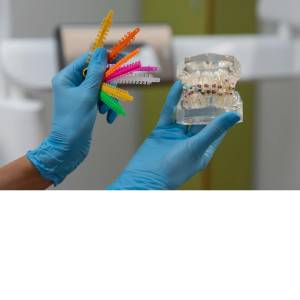
Orthodontic braces are revolutionary dental appliances designed to precisely correct a wide range of dental and jaw alignment issues. For decades, they have been the gold standard for transforming smiles, improving oral health, and boosting self-confidence for patients of all ages.
More than just a cosmetic enhancement, braces play a critical role in establishing proper bite function, preventing future dental problems, and contributing to overall well-being.
Why Consider Orthodontic Braces?
Investing in braces offers a multitude of benefits that extend far beyond aesthetics:
- Enhanced Aesthetics: Straight teeth create a more harmonious and attractive smile, significantly boosting self-esteem and confidence.
- Improved Oral Health: Properly aligned teeth are easier to clean, reducing the risk of plaque buildup, cavities, gum disease (gingivitis and periodontitis), and tooth decay.
- Better Functionality: Correcting bite issues can improve chewing efficiency, facilitate clearer speech, and alleviate strain on jaw joints (TMJ), which can prevent headaches and jaw pain.
- Reduced Wear & Tear: Misaligned teeth can wear unevenly, leading to chips, cracks, and premature aging of tooth enamel. Braces help distribute chewing forces evenly.
- Prevention of Future Problems: Addressing orthodontic issues early can prevent more complex and costly dental problems from developing later in life.
- Boosted Self-Confidence: A beautiful, healthy smile can significantly impact social interactions, professional opportunities, and overall quality of life.
Are Braces Right for You or Your Child? Common Conditions Treated:
Braces effectively address a wide array of orthodontic concerns, including:
- Crowding: When there isn't enough space for teeth to align properly, causing them to overlap or twist.
- Spacing/Gaps: Gaps between teeth, often due to missing teeth, small teeth relative to jaw size, or an oversized frenum.
- Overbite (Protrusion): Upper front teeth overlap excessively over the lower front teeth, sometimes causing the lower teeth to bite into the roof of the mouth.
- Underbite: Lower front teeth extend too far forward, overlapping the upper front teeth, often indicating a jaw growth discrepancy.
- Crossbite: One or more upper teeth bite inside the lower teeth, which can affect chewing and lead to uneven wear.
- Open Bite: A space between the biting surfaces of the front or side teeth when the back teeth are together, often caused by thumb sucking or tongue thrusting.
- Misplaced Midline: When the center of your upper front teeth does not align with the center of your lower front teeth.
- Jaw Discrepancies: Addressing various issues related to jaw alignment and growth, which can impact facial symmetry.
Explore Your Options: Types of Braces
Modern orthodontics offers several effective types of fixed braces, each with unique advantages:
- Traditional Metal Braces:
- Description: The classic choice, made from high-grade stainless steel. Modern metal braces are smaller, more streamlined, and more comfortable than ever before. They use brackets, archwires, and elastic ties to move teeth.
- Pros: Highly durable, very effective for complex cases, often the most cost-effective option, and can be customized with colored elastic ties.
- Cons: Most visible type of braces.
- Ceramic Braces:
- Description: A more discreet alternative, ceramic braces are made from translucent or tooth-colored materials that blend naturally with your teeth. They function similarly to metal braces.
- Pros: Less noticeable than metal braces, aesthetically pleasing.
- Cons: Can be slightly more fragile than metal braces, may stain over time (especially with certain foods/drinks), and typically a bit more expensive.
- Self-Ligating Braces (Metal or Ceramic):
- Description: These braces utilize a specialized clip or door mechanism built into the bracket to hold the archwire, eliminating the need for elastic ties. They can be made from metal or ceramic materials.
- Pros: Potentially reduced friction and pressure on teeth, possibly leading to fewer adjustment appointments, improved comfort, and potentially faster treatment times in some cases. Easier to keep clean compared to traditional braces with elastics.
- Cons: Can be more expensive than traditional metal braces.
- Lingual Braces:
- Description: For those seeking maximum discretion, lingual braces are custom-made and fitted to the inside (tongue side) surface of your teeth, making them virtually invisible from the outside.
- Pros: Completely hidden, ideal for professionals or anyone who wants their treatment to be undetectable.
- Cons: Requires specialized orthodontic expertise, generally the most expensive option, can be more challenging to clean, and may initially affect speech and tongue comfort.
What to Expect: The Braces Journey
The journey to a straighter smile is a guided process:
- Initial Consultation & Assessment: Your journey begins with a comprehensive examination, including X-rays, photos, and digital scans, to accurately diagnose your specific orthodontic needs.
- Custom Treatment Plan: Based on the assessment, your orthodontist will develop a personalized treatment plan, outlining the recommended type of braces, expected duration, and treatment goals.
- Braces Placement: The brackets are carefully bonded to your teeth, and the archwire is threaded through, initiating the gentle and gradual movement of your teeth.
- Regular Adjustments: You'll visit the orthodontist periodically (typically every 4-8 weeks) for adjustments, where wires may be tightened, changed, or elastic ties replaced to guide your teeth into their new positions.
- Braces Removal: Once the desired alignment is achieved, your braces are carefully removed, revealing your beautifully straight smile.
- Retention Phase: This crucial final step involves wearing a retainer (fixed or removable) precisely as instructed. Retainers are essential to prevent your teeth from shifting back to their original positions and ensure long-term stability of your new smile.
Essential Care & Maintenance Tips:
Proper care is vital for successful treatment and maintaining oral health during your braces journey:
- Maintain Excellent Oral Hygiene: Brush after every meal (or at least twice a day) and floss daily using specialized tools like floss threaders, interdental brushes, or a water flosser designed for braces.
- Dietary Adjustments: Avoid hard, sticky, or chewy foods (e.g., hard candy, popcorn, gum, caramels, nuts, tough meat) that can damage brackets or wires. Cut harder fruits and vegetables into small pieces.
- Attend All Appointments: Regular adjustments are vital for successful and timely treatment progression. Missing appointments can prolong treatment duration.
- Wear a Mouthguard: If you play sports, a custom-fitted orthodontic mouthguard is essential to protect your braces, teeth, and mouth from injury.
- Report Issues Promptly: Contact your orthodontist immediately if a wire breaks, a bracket comes loose, you experience persistent pain, or any other concern arises.
Ready to Achieve Your Dream Smile?
Braces are a significant investment in your oral health, confidence, and future. If you're considering orthodontic treatment for yourself or a loved one, we invite you to explore the possibilities. Modern braces are more comfortable, effective, and aesthetically pleasing than ever before, offering transformative results.
Contact us today to schedule a consultation and discover how orthodontic braces can transform your smile and your life!
Disclaimer: This product description provides general information about orthodontic braces. Individual results and treatment plans may vary. Always consult with a qualified orthodontist or dental professional to determine the most appropriate treatment for your specific needs, assess suitability, and discuss all potential risks and benefits.