Description
This product description outlines "Implants" as a broad category of medical devices.
Implants: Restoring Function, Enhancing Life
Implants represent a diverse and revolutionary category of medical devices meticulously designed to be surgically placed within the human body. Their primary purpose is to replace missing biological structures, support damaged ones, improve organ function, or deliver therapeutic agents, ultimately enhancing a patient's quality of life and restoring natural function.
What Are Implants?
An implant is a medical device manufactured from biocompatible materials and intended to remain within the body for an extended period, ranging from months to a lifetime. They are engineered to integrate with the body's tissues, providing structural support, functional replacement, or therapeutic benefits that cannot be achieved by external means.
Key Features & Benefits
- Biocompatibility: Manufactured from advanced materials (e.g., titanium, medical-grade silicone, ceramics, specialized polymers) that are rigorously tested to be non-toxic, non-allergenic, and integrate harmoniously with surrounding tissues, minimizing rejection risks.
- Restoration of Function & Form: Designed to replicate the natural mechanics and aesthetics of the body part they replace or support, leading to improved mobility, speech, hearing, vision, or overall anatomical integrity.
- Long-Term Durability: Engineered for resilience and longevity, capable of withstanding the body's physiological stresses for many years, often decades.
- Enhanced Quality of Life: Significantly reduce pain, improve mobility, restore confidence, and allow individuals to return to daily activities they once enjoyed.
- Precision Engineering & Customization: Developed with advanced imaging and manufacturing techniques, many implants can be custom-designed to fit an individual patient's unique anatomy, ensuring optimal fit and performance.
- Disease Management & Therapy Delivery: Beyond structural replacement, some implants actively monitor conditions (e.g., pacemakers, continuous glucose monitors) or deliver targeted therapies directly to the affected area.
Common Types and Applications
The field of implants is vast, encompassing solutions for nearly every part of the body. Some prominent categories include:
1. Orthopedic Implants
- Joint Replacements: Hip, knee, shoulder, ankle, finger joints (e.g., total hip arthroplasty, total knee replacement) to alleviate pain and restore mobility in patients with severe arthritis or injury.
- Spinal Implants: Fusion devices, artificial discs, rods, and screws used to stabilize the spine, correct deformities, or replace damaged discs.
- Trauma Implants: Plates, screws, pins, and rods used to stabilize fractures and aid in the healing of broken bones.
2. Dental Implants
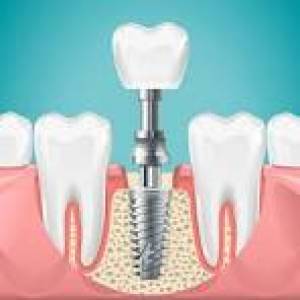
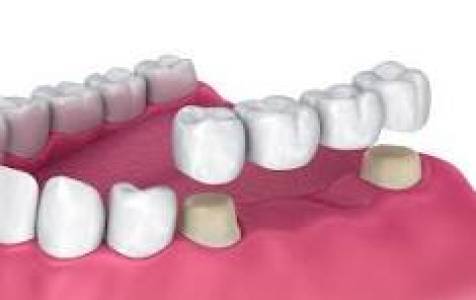
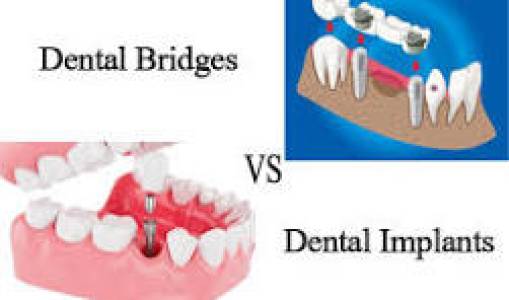
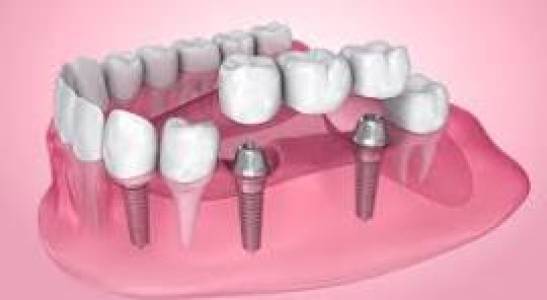
- Tooth Replacement: Titanium posts surgically placed into the jawbone to support crowns, bridges, or dentures, offering a stable and long-lasting solution for missing teeth that mimics natural tooth function and aesthetics.
3. Cardiovascular Implants
- Pacemakers & Defibrillators: Implantable devices that regulate heart rhythm, treat bradycardia (slow heart rate), or prevent sudden cardiac arrest.
- Stents: Small, expandable mesh tubes placed in narrowed arteries (e.g., coronary arteries) to improve blood flow and prevent blockages.
- Artificial Heart Valves: Replace diseased or damaged natural heart valves to ensure proper blood flow through the heart.
4. Neurological Implants
- Cochlear Implants: Electronic devices that provide a sense of sound to individuals with severe to profound hearing loss.
- Deep Brain Stimulators (DBS): Used to treat symptoms of Parkinson's disease, essential tremor, dystonia, and other neurological conditions by delivering electrical impulses to specific brain areas.
- Vagus Nerve Stimulators (VNS): Utilized for controlling seizures in epilepsy and treating severe depression.
5. Cosmetic & Reconstructive Implants
- Breast Implants: Used for augmentation (enhancing breast size and shape) or reconstruction (after mastectomy due to cancer or trauma).
- Facial Implants: Chin, cheek, and jaw implants to enhance facial contours and correct aesthetic imbalances.
6. Drug Delivery Implants
- Contraceptive Implants: Small, flexible rods inserted under the skin that release hormones for long-term birth control.
- Pain Pumps: Deliver medication directly to the spinal cord or other target areas to manage chronic pain.
Advanced Materials & Manufacturing
Implants leverage cutting-edge materials science, bioengineering, and manufacturing techniques. Common materials include:
- Metals: Titanium and its alloys (known for exceptional strength and osseointegration), medical-grade stainless steel, cobalt-chromium alloys.
- Polymers: Medical-grade silicone, ultra-high-molecular-weight polyethylene (UHMWPE), PEEK (polyether ether ketone).
- Ceramics: Alumina, zirconia, used for their hardness and wear resistance.
- Composites: Combining different materials for optimized properties such as strength, flexibility, and reduced weight.
Innovations in 3D printing allow for highly customized implants, while advanced surface treatments promote better integration with surrounding tissues and reduce the risk of infection.
Safety & Regulatory Compliance
The development and manufacturing of implants are subject to stringent regulatory oversight by bodies such as the FDA (U.S.), EMA (Europe), and other national health agencies. Every implant undergoes rigorous testing for:
- Biocompatibility
- Sterility
- Mechanical strength and fatigue
- Clinical efficacy and safety through trials and post-market surveillance.
This ensures that only safe, effective, and high-quality devices are made available to patients and healthcare providers.
The Surgical Procedure
Implant placement is a precise surgical procedure performed by highly skilled medical professionals, often requiring specialized equipment and an experienced surgical team. The specific procedure varies significantly based on the type of implant and the patient's individual needs. Post-operative care, rehabilitation, and regular follow-up appointments are essential for optimal recovery, integration, and long-term success.
Who Can Benefit from Implants?
Individuals suffering from:
- Missing teeth or severe dental damage.
- Degenerative joint diseases (e.g., osteoarthritis, rheumatoid arthritis).
- Fractures, skeletal deformities, or spinal instability.
- Cardiovascular conditions requiring rhythm regulation or improved blood flow.
- Severe hearing loss or certain neurological disorders.
- Those seeking reconstructive surgery after trauma or disease, or aesthetic body enhancements.
Make an Informed Decision
Choosing an implant is a significant medical decision. We strongly encourage you to:
- Consult with Your Healthcare Provider: Discuss your specific condition, available implant options, potential risks, benefits, and expected outcomes with a qualified physician or specialist.
- Research: Understand the different types of implants, materials, and procedures relevant to your needs.
Disclaimer: This product description is for informational purposes only and does not constitute medical advice. Always consult with a qualified healthcare professional for diagnosis, treatment, and all medical decisions. Individual results with implants may vary.