Description
Okay, here is a detailed product description for a "Tooth Extraction" service, formatted in Markdown.
Tooth Extraction Service
Relief from Pain, Foundation for a Healthier Smile
When a tooth is severely damaged, decayed, impacted, or causing significant oral health issues that cannot be resolved through other treatments, a tooth extraction may be the necessary solution. Our Tooth Extraction Service is designed to provide a safe, comfortable, and effective procedure to remove problem teeth, alleviating pain and setting the stage for improved oral health.
What is Tooth Extraction?
Tooth extraction is a common dental procedure involving the complete removal of a tooth from its socket in the bone. While our primary goal is always to preserve natural teeth, there are situations where extraction is the best course of action to protect your overall oral health and prevent further complications.
Key Benefits of Tooth Extraction:
- Pain Relief: Eliminates the source of severe pain caused by infection, decay, or impaction.
- Prevents Spread of Infection: Removes infected teeth before the infection can spread to other teeth, gums, or even into the bloodstream.
- Reduces Crowding: Creates necessary space in the mouth for orthodontic treatment or to prevent issues caused by overcrowded teeth.
- Addresses Impaction: Resolves problems associated with impacted teeth (like wisdom teeth), preventing cysts, damage to adjacent teeth, and jaw pain.
- Prepares for Restoration: Creates a clean slate for future dental restorations such as dental implants, bridges, or dentures.
- Resolves Advanced Gum Disease: Removes teeth severely loosened or damaged by advanced periodontal disease.
Who Needs This Service? (Indications for Extraction)
You might require a tooth extraction if you experience:
- Severe Tooth Decay: When a cavity is too extensive to be repaired with a filling, crown, or root canal.
- Advanced Periodontal Disease: Causing significant loosening of a tooth due to bone and gum tissue destruction.
- Impacted Teeth: Most commonly wisdom teeth that are trapped beneath the gum line or bone, causing pain, infection, or damage to adjacent teeth.
- Overcrowding: To create space for orthodontic treatment (braces) or to prevent misalignment.
- Dental Trauma: A tooth that has been severely fractured or damaged beyond repair.
- Infection Risk: For patients undergoing organ transplants or chemotherapy, where any source of infection (including a tooth) must be removed.
- Failed Root Canal: In some cases, a root canal treated tooth may still develop issues that necessitate extraction.
The Tooth Extraction Process:
Our approach prioritizes your comfort and safety at every step:
- Comprehensive Consultation & Diagnosis:
- A thorough examination of your oral health.
- Digital X-rays (and potentially 3D CBCT scans) to assess the tooth's position, root structure, surrounding bone, and proximity to nerves or sinuses.
- Discussion of your medical history and any medications you are taking.
- Detailed explanation of the procedure, potential risks, and post-operative care.
- Anesthesia and Sedation Options:
- Local Anesthesia: We will numb the tooth and surrounding area completely, ensuring you feel no pain during the procedure, only pressure.
- Sedation Dentistry (Optional): For patients experiencing anxiety, we offer various sedation options such as nitrous oxide (laughing gas), oral sedation, or IV sedation to help you relax throughout the procedure.
- The Extraction Procedure:
- Simple Extraction: For teeth that are visible in the mouth and can be removed relatively easily using instruments to loosen and lift the tooth from its socket.
- Surgical Extraction: For teeth that are impacted, broken below the gum line, or have complex root structures. This may involve a small incision in the gum tissue and/or removal of a small amount of bone surrounding the tooth. The tooth may also be divided into smaller sections for easier removal.
- Our experienced dental professionals use gentle techniques to minimize discomfort and ensure efficient removal.
- Post-Extraction Site Care:
- After the tooth is removed, we will clean the socket and may place gauze to help a blood clot form, which is crucial for healing.
- In some cases, absorbable stitches may be placed to close the gum tissue, especially after a surgical extraction.
What's Included in Your Service:
- Pre-Operative Assessment: Comprehensive dental exam and necessary diagnostic imaging (X-rays).
- Personalized Treatment Plan: Tailored to your specific needs and oral health status.
- Local Anesthesia: To ensure a pain-free procedure.
- The Extraction Procedure: Performed by a skilled dentist or oral surgeon.
- Immediate Post-Operative Care: Gauze, instructions, and initial bleeding control.
- Detailed Aftercare Instructions: Written and verbal guidance for a smooth recovery.
- Post-Operative Follow-up (as needed): To monitor healing and address any concerns.
Aftercare and Recovery:
Proper aftercare is vital for preventing complications and ensuring a quick recovery. We will provide detailed instructions, which typically include:
- Pain Management: Prescription or over-the-counter pain relievers.
- Swelling Reduction: Applying ice packs to the outside of your cheek.
- Bleeding Control: Changing gauze pads as directed.
- Diet: Sticking to soft foods and liquids initially.
- Oral Hygiene: Gentle rinsing with salt water (after the first 24 hours) and carefully brushing around the extraction site.
- Activity Restrictions: Avoiding strenuous activities for a few days.
- Avoiding Habits: No smoking, no spitting, and no using straws for at least 48-72 hours to prevent dry socket.
Most patients experience mild discomfort and swelling for a few days, with full healing of the soft tissue usually occurring within 1-2 weeks. Bone healing will take longer.
Potential Risks and Complications:
While tooth extractions are generally safe, potential risks include:
- Dry Socket: A painful condition where the blood clot dislodges prematurely.
- Infection: Requires antibiotics.
- Excessive Bleeding: Usually managed with pressure.
- Nerve Injury: Temporary or, very rarely, permanent numbness to the lip, tongue, or chin.
- Damage to Adjacent Teeth or Restorations: Rare with careful technique.
- Sinus Communication: If an upper tooth's roots are close to the sinus cavity.
We take every precaution to minimize these risks and will discuss them thoroughly with you beforehand.
Replacement Options for Missing Teeth:
Once a tooth is extracted, it's important to consider options for replacing the missing tooth, as leaving a gap can lead to:
- Shifting of adjacent teeth.
- Over-eruption of opposing teeth.
- Bone loss in the jaw.
- Changes in bite and facial structure.
Common replacement options include:
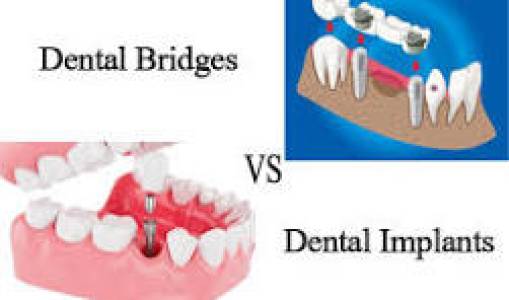
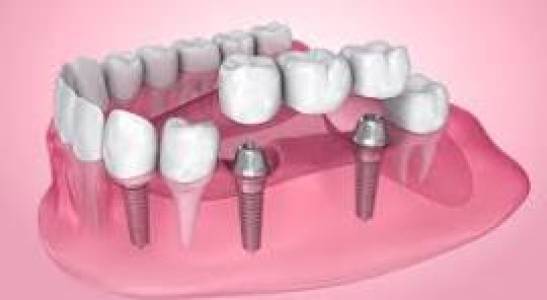
- Dental Implants: A titanium post surgically placed into the jawbone, serving as a root for a custom crown.
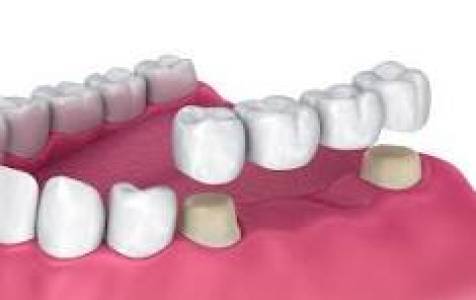
- Dental Bridges: A prosthetic tooth (or teeth) held in place by crowns on the adjacent natural teeth.
- Removable Partial Dentures: A prosthetic appliance that replaces one or more missing teeth.
We will discuss these options with you during your consultation to help you choose the best long-term solution for your oral health.
Why Choose Us for Your Tooth Extraction?
- Experienced Professionals: Our team of dentists and oral surgeons has extensive experience in performing both simple and complex extractions.
- Patient-Centered Care: We prioritize your comfort, understanding, and well-being throughout the entire process.
- Advanced Technology: Utilizing modern diagnostic tools and surgical techniques for precise and efficient treatment.
- Comfortable Environment: A supportive and calming atmosphere to ease any anxieties.
- Comprehensive Follow-up: We are committed to your recovery and are available to address any post-operative concerns.
Schedule Your Consultation Today!
Don't let dental pain or a problematic tooth compromise your health and comfort. If you suspect you may need a tooth extraction, or if you're experiencing dental pain, contact us to schedule a comprehensive consultation. Our team is here to assess your needs, answer your questions, and guide you towards the best solution for a pain-free, healthier smile.
Call Us: [Your Phone Number] Visit Us: [Your Website] Location: [Your Clinic Address]
Important Disclaimer:
This product description is for informational purposes only and does not constitute medical advice. The decision to undergo a tooth extraction, and the specific procedure chosen, must be made in consultation with a qualified dental professional after a thorough examination and assessment of your individual oral health needs and medical history. Results may vary.