Description
Here's a detailed product description for Root Canal Therapy in Markdown format, suitable for a dental practice website or informational brochure.
Root Canal Therapy: Restore Your Health, Preserve Your Smile
Experiencing persistent tooth pain, sensitivity, or swelling? Don't let dental discomfort dictate your life. Root Canal Therapy (RCT), also known as endodontic treatment, is a highly effective and common procedure designed to alleviate pain, eliminate infection, and save a severely damaged or infected tooth. It's a testament to modern dentistry's ability to preserve your natural teeth and prevent the need for extraction.
What is a Root Canal?
At its core, a root canal is a treatment to remove infected or damaged pulp from inside your tooth. The pulp is the soft tissue containing nerves, blood vessels, and connective tissue that resides within the tooth's innermost chamber and extends down the root canals. When this pulp becomes infected or inflamed due to deep decay, repeated dental procedures on the tooth, or a crack/chip, it can cause significant pain and lead to an abscess if left untreated.
Root Canal Therapy thoroughly cleans, disinfects, and shapes the inside of the tooth's roots, then fills and seals them to prevent future infection, allowing you to keep your natural tooth.
Key Features & Benefits:
- Immediate Pain Relief: Say goodbye to the throbbing pain, sensitivity, and discomfort caused by an infected tooth. RCT directly addresses the source of your pain.
- Eliminate Infection: Thoroughly removes harmful bacteria and infected pulp, preventing further spread of infection to adjacent teeth, gums, or even into the bloodstream, protecting your overall health.
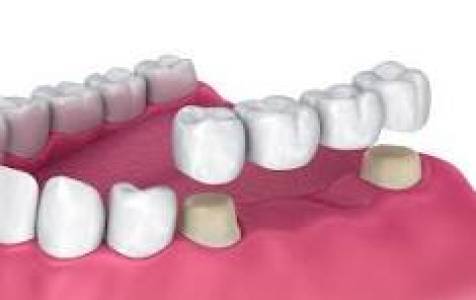
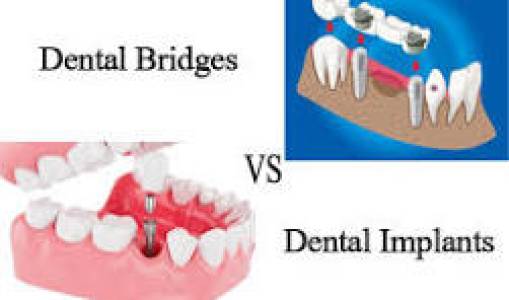
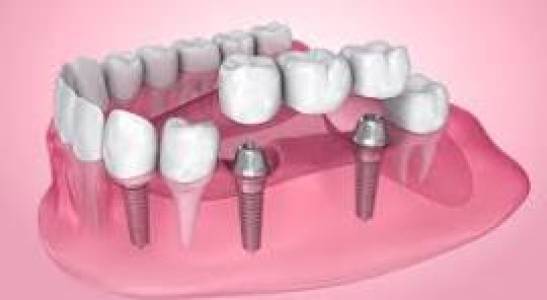
- Preserve Your Natural Tooth: Avoid the need for extraction, which can lead to shifting teeth, difficulty chewing, and the need for more complex and costly replacement options like bridges or implants. Keeping your natural tooth maintains your natural bite and facial aesthetics.
- Long-Term Solution: With proper care, good oral hygiene, and a protective restorative crown, a tooth treated with a root canal can last a lifetime.
- Comfortable Experience: Modern endodontic techniques, advanced local anesthetics, and sedation options (if needed) ensure a virtually pain-free and comfortable procedure, dispelling common myths about root canals being painful.
- Prevent Further Issues: Stopping the infection in its tracks prevents bone loss around the tooth, gum disease, and the potential for systemic health problems related to oral infection.
Who Can Benefit from Root Canal Therapy?
You might be an ideal candidate for RCT if you are experiencing one or more of the following symptoms:
- Persistent Tooth Pain: Especially when chewing or pressure is applied, or a dull ache that won't go away.
- Sensitivity to Hot & Cold: Lingering sensitivity to hot or cold temperatures, even after the source is removed.
- Gum Swelling & Tenderness: Swelling, tenderness, or a small "pimple-like" bump (fistula) on the gums near the affected tooth.
- Tooth Discoloration: Darkening of the tooth, which can signify nerve damage or infection within the pulp.
- Deep Decay or Trauma: An X-ray reveals infection in the tooth's pulp chamber due to a deep cavity, crack, or dental injury.
The Root Canal Process: A Step-by-Step Overview
Our priority is your comfort and understanding throughout your treatment. Here's a general outline of what you can expect during Root Canal Therapy:
- Diagnosis & Planning: A comprehensive dental exam, including X-rays, will confirm the infection and determine the best course of treatment.
- Anesthesia: Local anesthetic will be administered to numb the affected tooth and surrounding area completely, ensuring a pain-free experience.
- Access Opening: A small opening is made in the crown of the tooth to gain access to the pulp chamber and root canals.
- Cleaning & Shaping: Using specialized instruments (like rotary files), the infected or damaged pulp is carefully removed from the pulp chamber and root canals. The canals are then thoroughly cleaned, disinfected, and shaped to prepare them for filling.
- Filling & Sealing: Once the canals are clean and dry, they are filled with a biocompatible, rubber-like material called gutta-percha, which is sealed with an adhesive cement to prevent reinfection.
- Restoration: A temporary filling is placed in the access opening. In most cases, a dental crown will be placed in a follow-up appointment. This crown is crucial to protect the treated tooth from fracture and restore its full function and appearance.
After Your Treatment: What to Expect & Post-Care
- Mild Sensitivity: It's normal to experience some mild sensitivity or discomfort for a few days after the procedure, especially when chewing.
- Pain Management: Over-the-counter pain relievers (like ibuprofen or acetaminophen) are usually sufficient to manage any post-treatment soreness.
- Importance of Restoration: It is critical to return for your permanent filling or crown as recommended by your dentist. Leaving the tooth without proper restoration makes it vulnerable to fracture and reinfection.
- Oral Hygiene: Continue your regular brushing and flossing routine.
- Regular Check-ups: Maintain your routine dental check-ups and cleanings to ensure the long-term success of your root canal and overall oral health.
Ready to Find Relief and Save Your Smile?
Don't let an infected tooth compromise your health and comfort any longer. If you suspect you may need root canal therapy, we invite you to schedule a consultation with our experienced dental team. We'll provide a thorough examination, answer all your questions, and develop a personalized treatment plan tailored to your needs.
[Call Now: (XXX) XXX-XXXX] | [Schedule Your Consultation Online] | [Learn More About Our Practice]
Disclaimer: This information is for general educational purposes only and does not constitute medical advice. Please consult with a qualified dental professional for diagnosis and treatment recommendations based on your individual health needs.