Description
Root Canal Treatment: Save Your Natural Tooth & Alleviate Pain
Suffering from persistent, throbbing tooth pain, or extreme sensitivity that just won't go away? Don't let a compromised tooth lead to extraction. Our comprehensive Root Canal Treatment is a highly effective, modern dental procedure designed to save your natural tooth, eliminate infection, and restore your oral health and comfort.
Product Overview:
A root canal, or endodontic treatment, is a precise procedure performed when the pulp (the soft tissue inside your tooth containing nerves, blood vessels, and connective tissue) becomes inflamed or infected. If left untreated, this infection can spread, cause severe pain, lead to an abscess, and ultimately necessitate tooth extraction. Our skilled dental professionals utilize advanced techniques and technology to ensure a comfortable and successful root canal experience.
Key Features & Benefits:
- Effective Pain Relief: Immediately addresses the source of your pain by removing infected pulp and nerve tissue.
- Preserve Your Natural Tooth: Avoids tooth extraction, maintaining your natural bite, chewing function, and facial aesthetics.
- Eliminate Infection: Thoroughly cleans and disinfects the root canal system, preventing the spread of bacteria and future complications.
- Restore Oral Health: Helps prevent bone loss, gum disease, and the shifting of adjacent teeth that can occur with tooth loss.
- High Success Rate: Modern root canal treatments boast a success rate of over 95%, often allowing the treated tooth to last a lifetime with proper care.
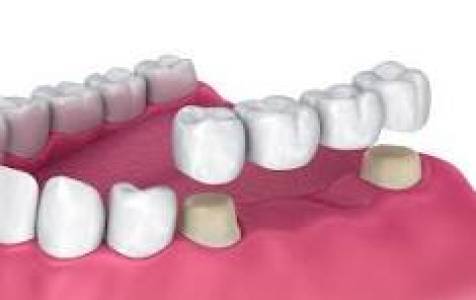
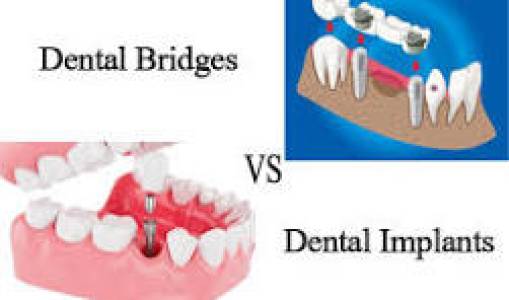
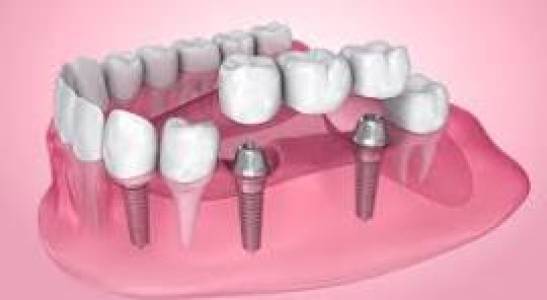
- Maintains Aesthetics: Keeps your natural smile intact, avoiding gaps or the need for more extensive restorative procedures like bridges or implants (though a crown is typically needed).
- Comfortable Procedure: Performed under local anesthesia, ensuring a virtually pain-free experience during treatment. Many patients report the procedure is no more uncomfortable than a routine filling.
- Efficient Treatment: Can often be completed in one or two visits, depending on the complexity of the case.
Indications for Root Canal Treatment:
You may be a candidate for a root canal if you experience:
- Severe Toothache: Especially pain that radiates, throbs, or worsens when chewing or applying pressure.
- Prolonged Sensitivity: Lingering pain to hot or cold temperatures, even after the stimulus is removed.
- Swelling & Tenderness: Swelling in the gums, tenderness in the adjacent bone, or swelling of the face.
- Pimple-Like Bump (Fistula): A persistent or recurring "pimple" on the gums, indicating an infection draining.
- Tooth Discoloration: Darkening of the tooth, which can signify nerve damage or infection.
- Deep Decay or Trauma: A large cavity that has reached the pulp, or a crack/chip in the tooth that exposes the pulp.
What to Expect During Your Procedure:
- Diagnosis: Your dentist will perform a thorough examination, including X-rays, to confirm the diagnosis and assess the extent of the infection.
- Anesthesia: Local anesthetic will be administered to numb the affected tooth and surrounding area, ensuring your comfort throughout the procedure.
- Isolation: A dental dam (a small sheet of latex or non-latex material) is placed around the tooth to keep it clean and dry and free of saliva during the treatment.
- Access Opening: A small opening is made in the crown of the tooth to access the pulp chamber and root canals.
- Cleaning & Shaping: Tiny instruments are used to carefully remove the infected or inflamed pulp, and to clean and shape the root canals.
- Disinfection: The root canals are thoroughly irrigated with antiseptic solutions to eliminate bacteria.
- Filling & Sealing: Once cleaned and disinfected, the canals are filled with a biocompatible, rubber-like material called gutta-percha, which is sealed with an adhesive cement.
- Temporary Restoration: A temporary filling is placed in the access opening to protect the tooth until your permanent restoration.
- Permanent Restoration (Crown): In most cases, a dental crown is recommended after a root canal to protect the treated tooth from future fracture and restore its full function and appearance. This is typically done in a separate follow-up appointment.
Aftercare & Maintenance:
- Avoid Chewing: Refrain from chewing on the treated tooth until your permanent crown or restoration is placed.
- Oral Hygiene: Maintain excellent oral hygiene, including regular brushing and flossing.
- Follow-Up: Attend all scheduled follow-up appointments, especially for the placement of your permanent crown.
- Regular Check-ups: Continue with routine dental check-ups and cleanings to ensure the long-term success of your root canal and overall oral health.
Don't Let Pain Dictate Your Health!
If you are experiencing symptoms of a tooth infection, don't delay. Early intervention with a root canal can save your tooth and prevent more complex and costly problems down the road.
[Call to Action:] Contact us today to schedule a consultation and see if Root Canal Treatment is the right solution for you. Reclaim your comfort and protect your smile!
[Clinic Name/Website/Phone Number]
Disclaimer: This product description is for informational purposes only and does not constitute medical advice. A comprehensive diagnosis and treatment plan can only be provided by a qualified dental professional. Individual results may vary.