Description
Root Canal Treatment: Restore Health, Relieve Pain, Save Your Natural Tooth
Say Goodbye to Dental Pain and Preserve Your Smile
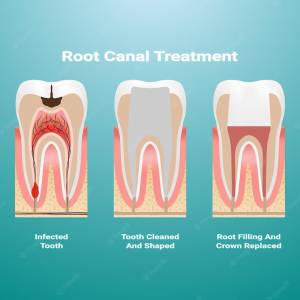
Root Canal Treatment, often simply called a "root canal," is a highly effective and common dental procedure designed to save a tooth that is badly decayed, infected, or otherwise damaged. It involves removing the infected or inflamed pulp (the soft tissue inside your tooth), carefully cleaning and disinfecting the inside of the tooth, and then filling and sealing it. This treatment prevents the need for extraction and allows you to keep your natural tooth for many years to come.
Why You Might Need a Root Canal
The pulp inside your tooth can become infected or inflamed due to:
- Deep Decay: Untreated cavities that reach the pulp.
- Repeated Dental Procedures: On the same tooth.
- Cracks or Chips: In the tooth that expose the pulp.
- Trauma: An injury to the tooth, even if there are no visible chips or cracks.
Common symptoms indicating the need for a root canal include:
- Persistent Toothache: Ranging from mild to severe, often worsening with chewing.
- Sensitivity: Prolonged sensitivity to hot or cold temperatures.
- Swelling: Of the gums around the affected tooth.
- Pimples on the Gums: A recurring or persistent "pimple" on the gum.
- Tooth Discoloration: Darkening of the tooth.
- Tenderness: To touch or chewing.
The Benefits of Choosing a Root Canal
Opting for a root canal offers numerous advantages:
- Effective Pain Relief: Eliminates the source of your dental pain and discomfort.
- Preservation of Your Natural Tooth: Avoids extraction, maintaining your natural bite and appearance.
- Prevention of Infection Spread: Stops bacteria from spreading to other teeth, gums, and even into your bloodstream.
- Restoration of Function and Aesthetics: Allows you to chew normally and confidently smile once the tooth is properly restored.
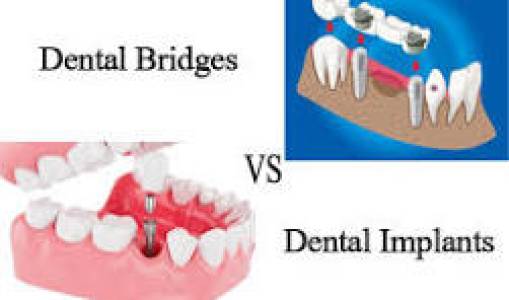
- Long-Term Cost-Effectiveness: Often more affordable in the long run than replacing an extracted tooth with an implant or bridge.
- Maintains Jaw Bone Structure: Prevents bone loss that can occur after tooth extraction.
The Root Canal Procedure: What to Expect
Modern root canal treatments are remarkably comfortable, often no more unpleasant than getting a routine filling. Here's a general overview of the steps involved:
- Diagnosis & Planning:
- A thorough examination, including X-rays, will be performed to assess the extent of the infection and plan the treatment.
- Anesthesia:
- A local anesthetic is administered to numb the affected tooth and surrounding area, ensuring you feel no pain during the procedure.
- Access Opening:
- A small opening is made on the crown of the tooth to access the pulp chamber and root canals.
- A rubber dam is typically placed around the tooth to keep it dry and free from saliva during the treatment.
- Pulp Removal & Cleaning:
- The infected or inflamed pulp is carefully removed from the pulp chamber and root canals using tiny, specialized instruments.
- The canals are then meticulously cleaned, shaped, and disinfected with antimicrobial solutions.
- Filling & Sealing:
- Once the canals are thoroughly cleaned and shaped, they are filled with a biocompatible material, usually a rubber-like compound called gutta-percha. This material is used to seal the canals and prevent re-infection.
- Temporary Filling:
- A temporary filling is placed in the access opening to protect the tooth until a permanent restoration can be applied.
- Permanent Restoration:
- In most cases, a dental crown is recommended to protect the treated tooth from future fractures and restore its full function and appearance. This usually occurs in a separate appointment after the root canal is complete and the tooth has settled.
Post-Treatment Care & Recovery
- Mild Sensitivity: It's normal to experience some mild sensitivity or discomfort for a few days after the procedure, especially during chewing. Over-the-counter pain relievers can typically manage this.
- Avoid Chewing: Try to avoid chewing on the treated tooth until your permanent crown or filling is placed to prevent damage.
- Oral Hygiene: Continue your regular brushing and flossing routine.
- Follow-up: Be sure to attend your follow-up appointment for the permanent restoration.
- Longevity: With proper care and a good restoration, a root canal-treated tooth can last a lifetime.
Why Choose Us for Your Root Canal Treatment?
- Experienced Dental Team: Our dentists are highly trained and experienced in performing root canal procedures with precision and care.
- Advanced Technology: We utilize state-of-the-art equipment and techniques for accurate diagnosis and efficient treatment.
- Patient Comfort Focus: We prioritize your comfort with gentle techniques, local anesthetics, and a calming environment.
- Comprehensive Care: From diagnosis to final restoration, we provide complete, seamless care for your dental health.
- Clear Communication: We take the time to explain every step of the process and answer all your questions.
Frequently Asked Questions (FAQs)
Q: Is a root canal painful? A: No. With modern anesthetics and techniques, a root canal is typically no more uncomfortable than getting a filling. The goal of the procedure is to relieve pain, not cause it.
Q: How long does a root canal take? A: The procedure usually takes one to two appointments, each lasting 60-90 minutes, depending on the complexity of the tooth and the infection.
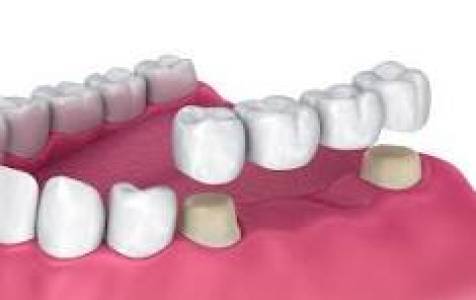
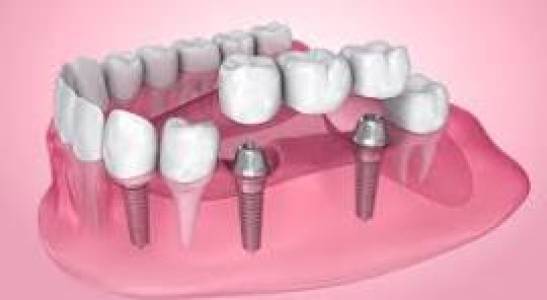
Q: What are the alternatives to a root canal? A: The only alternative to a root canal for an infected tooth is extraction (removing the tooth). After extraction, the missing tooth would need to be replaced with a dental implant, bridge, or partial denture to prevent other teeth from shifting and to restore chewing function.
Q: How long does a root canal-treated tooth last? A: With proper oral hygiene and a good final restoration (like a crown), a root canal-treated tooth can last for many years, often a lifetime.
Q: Will I need a crown after a root canal? A: In most cases, yes. A root canal-treated tooth can become brittle, and a crown provides essential protection, strength, and restores the tooth's natural appearance and function.
Don't Let Dental Pain Dictate Your Life!
If you're experiencing symptoms of a tooth infection or severe toothache, don't delay treatment. Contact us today to schedule a consultation. Our compassionate team is here to diagnose your condition and provide the most effective treatment to save your tooth and restore your comfort.
[Call to Action Button/Link: Schedule Your Consultation Today!]
[Phone Number] | [Email Address] | [Clinic Address] | [Website Link]
Disclaimer: This product description is for informational purposes only and does not constitute medical advice. Please consult with a qualified dental professional for personalized diagnosis and treatment recommendations. Individual results may vary.