Description
Root Canal Treatment (RCT): Save Your Natural Smile
Are you experiencing persistent tooth pain, sensitivity, or swelling around a tooth? You might be a candidate for Root Canal Treatment (RCT), a highly effective procedure designed to save a damaged or infected tooth rather than extracting it. At [Your Clinic Name], we specialize in providing comfortable, efficient, and successful root canal treatments to restore your oral health and eliminate discomfort.
What is Root Canal Treatment (RCT)?
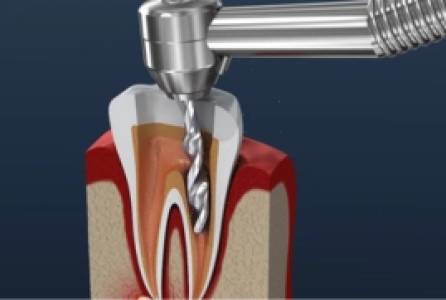
Root Canal Treatment, also known as endodontic treatment, is a dental procedure that removes infected, inflamed, or dead pulp from the inside of your tooth. The pulp is the soft tissue inside your tooth that contains nerves, blood vessels, and connective tissue. When this pulp becomes infected or damaged due to deep decay, a crack, or trauma, it can cause severe pain and lead to an abscess if left untreated.
During an RCT, the infected pulp is removed, the inside of the tooth is carefully cleaned and disinfected, and then filled with a rubber-like material called gutta-percha. Finally, the tooth is sealed with a filling or a crown to protect it and restore its full function.
Why Might You Need a Root Canal? (Symptoms & Causes)
Ignoring a pulp infection can lead to serious oral health issues, including the spread of infection to other parts of your body. Look out for these signs and symptoms:
Common Symptoms:
- Severe toothache: Persistent pain, especially when chewing or applying pressure.
- Prolonged sensitivity: Lingering sensitivity to hot or cold temperatures, even after the source is removed.
- Gum swelling: Tenderness or swelling in the gums near the affected tooth.
- Pimples on the gum: A persistent or recurring "pimple" on the gum that may indicate a draining abscess.
- Tooth discoloration: Darkening of the tooth.
- Pain when biting or chewing: Discomfort when using the tooth.
Common Causes of Pulp Infection/Damage:
- Deep decay: Untreated cavities that penetrate deep into the tooth.
- Repeated dental procedures: Multiple fillings or repairs on the same tooth.
- Cracked or chipped tooth: Fractures that expose the pulp.
- Dental trauma: An injury to the tooth, even if there's no visible chip or crack.
Benefits of Root Canal Treatment
Choosing RCT offers significant advantages over tooth extraction:
- Preserves your natural tooth: The primary benefit is saving your tooth, allowing you to maintain your natural smile and bite.
- Eliminates pain: Effectively removes the source of infection and pain, providing immediate relief.
- Prevents infection spread: Stops the infection from spreading to surrounding teeth, gums, and jawbone.
- Restores chewing efficiency: Once treated and restored, the tooth can function normally for chewing.
- Maintains facial structure: Prevents the shifting of adjacent teeth that can occur after an extraction.
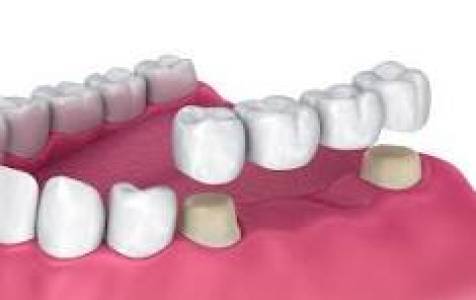
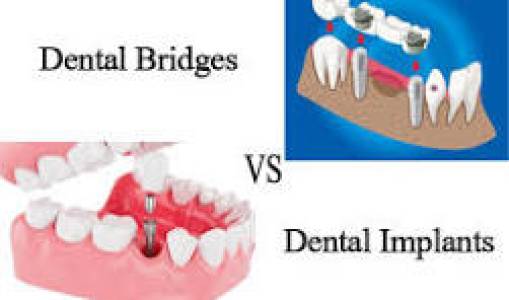
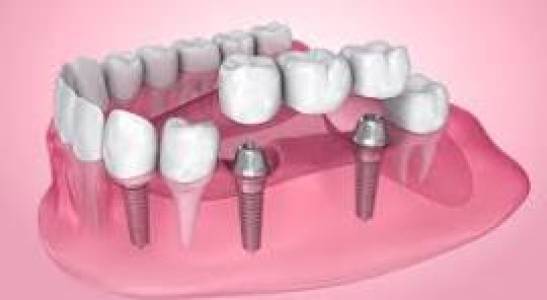
- Cost-effective long-term: Often more affordable in the long run than extracting a tooth and replacing it with a bridge or implant.
- High success rate: With proper care, a root-treated tooth can last a lifetime.
The Root Canal Procedure (Step-by-Step)
While the idea of a root canal might sound daunting, modern techniques and anesthesia make the procedure as comfortable as a routine filling. Here's a general overview:
- Diagnosis and Anesthesia: We begin with a thorough examination, including X-rays, to assess the extent of the infection. Local anesthesia will be administered to numb the affected tooth and surrounding area, ensuring a pain-free experience.
- Isolation: A small protective sheet called a dental dam is placed over the tooth to isolate it, keeping it clean and free from saliva during the procedure.
- Access Opening: A small opening is made in the crown of the tooth to access the pulp chamber and root canals.
- Pulp Removal: The infected or inflamed pulp is carefully removed using specialized instruments (endodontic files).
- Cleaning and Shaping: The root canals are thoroughly cleaned, disinfected, and shaped to prepare them for filling. This step ensures all bacteria are eliminated.
- Filling the Canals: Once cleaned and dried, the root canals are filled with a biocompatible material, typically gutta-percha, and sealed with an adhesive cement.
- Temporary Restoration: A temporary filling is placed in the access opening to protect the tooth until a permanent restoration can be applied.
- Permanent Restoration (Crown): In most cases, a dental crown is recommended after an RCT. This protects the treated tooth from fracture and restores its full strength and appearance. This usually occurs in a separate appointment.
After Your Treatment (Post-Procedure Care)
After your root canal, it's normal to experience some mild discomfort or sensitivity for a few days, which can usually be managed with over-the-counter pain relievers.
- Avoid chewing: Try to avoid chewing on the treated tooth until your permanent restoration (crown) is in place.
- Good oral hygiene: Continue brushing and flossing regularly.
- Follow instructions: Adhere to any specific post-procedure instructions provided by your dentist.
- Attend follow-up: Make sure to return for your permanent crown or filling as scheduled.
With proper care and good oral hygiene, your root canal treated tooth can last for many years, often a lifetime.
Important Considerations & FAQs
- Is Root Canal Treatment Painful? No. With modern local anesthetics, the procedure itself is virtually pain-free. It's designed to relieve pain, not cause it.
- How Long Does RCT Take? Typically, an RCT can be completed in one or two appointments, each lasting 60-90 minutes, depending on the complexity of the case.
- What if I Don't Get a Root Canal? Ignoring an infected tooth can lead to worsening pain, the spread of infection, bone loss around the tooth, and eventually, the need for extraction.
- Are There Alternatives to RCT? The only alternative to root canal treatment for an infected tooth is extraction. However, this then requires a replacement solution like a dental implant, bridge, or partial denture, which can be more involved and costly than saving your natural tooth.
- Who Performs Root Canals? General dentists are qualified to perform many root canals. In complex cases, we may refer you to an Endodontist, a specialist in root canal treatment.
Why Choose [Your Clinic Name] for Your RCT?
- Experienced Team: Our dentists are highly trained and experienced in performing root canal treatments with precision and care.
- Advanced Technology: We utilize state-of-the-art dental technology to ensure accurate diagnosis and effective treatment.
- Patient Comfort: Your comfort is our priority. We offer a relaxed environment and sedation options to help anxious patients.
- Comprehensive Care: From diagnosis to post-treatment follow-up and final restoration, we provide complete care under one roof.
- Personalized Approach: We take the time to explain your treatment options and customize a plan that best suits your needs.
Don't Let Tooth Pain Control Your Life!
If you're experiencing symptoms that suggest a need for root canal treatment, don't delay seeking professional help. Early intervention can prevent further complications and ensure the best possible outcome for your oral health.
Restore your comfort and preserve your natural smile with expert Root Canal Treatment at [Your Clinic Name].
Contact Us Today to Schedule Your Consultation!
[Your Clinic Name] [Your Clinic Address] [Your Clinic Phone Number] [Your Clinic Email Address] [Your Clinic Website]
[Optional: Add Hours of Operation or a link to your online booking system]