Description
Gentle Root Canal Treatment: Save Your Natural Tooth & Relieve Pain
Overview
Is persistent tooth pain, sensitivity, or swelling making your life miserable? You might be a candidate for a root canal treatment – a highly effective and common dental procedure designed to relieve pain, eliminate infection, and save a severely damaged or infected tooth. Despite common misconceptions, modern root canal therapy is often no more uncomfortable than receiving a routine filling, and it's a vital step towards restoring your oral health and comfort.
At [Your Clinic Name], we specialize in compassionate and advanced endodontic care, ensuring your experience is as comfortable and stress-free as possible. Our goal is to preserve your natural tooth, allowing you to maintain your beautiful smile and continue eating and speaking with confidence.
What is a Root Canal?
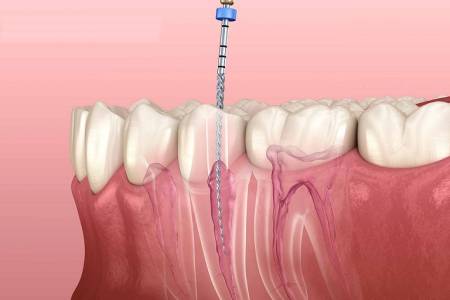
A root canal, or endodontic treatment, is a procedure to remove the infected, inflamed, or damaged pulp (the soft tissue inside your tooth containing nerves, blood vessels, and connective tissue). Once the diseased pulp is removed, the inside of the tooth is carefully cleaned, disinfected, shaped, and then filled and sealed. This process prevents further infection and allows you to keep your natural tooth.
Key Benefits of Root Canal Treatment
- Pain Relief: The primary benefit is the immediate and long-term relief from the severe pain caused by an infected tooth.
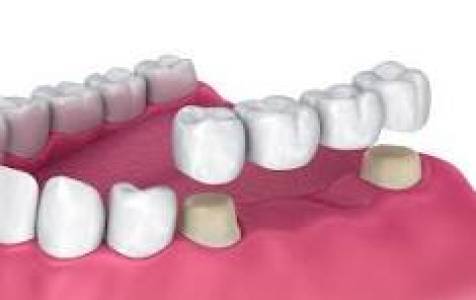
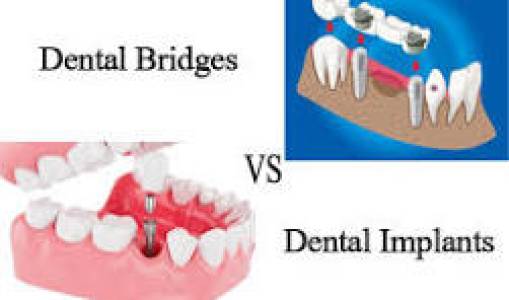
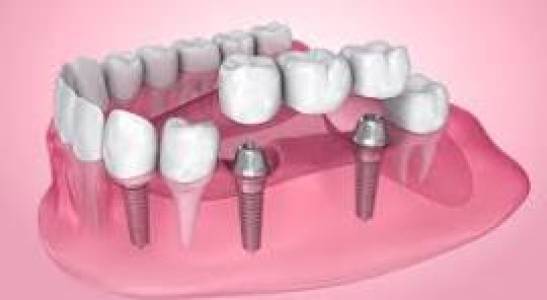
- Tooth Preservation: It saves your natural tooth, preventing the need for extraction and subsequent dental work like bridges or implants.
- Maintains Natural Appearance: Keeps your natural smile intact, avoiding gaps or the need for artificial teeth.
- Normal Chewing Sensation & Force: Allows you to continue eating your favorite foods without discomfort.
- Prevents Infection Spread: Stops the infection from spreading to other teeth, gums, or even into your bloodstream.
- Cost-Effective: Often more affordable in the long run than tooth extraction followed by a bridge or implant.
- Improved Oral Health: Eliminates chronic infection, contributing to overall better health.
Indications: When Might You Need a Root Canal?
You might need a root canal if you experience any of the following symptoms:
- Severe toothache pain upon chewing or application of pressure.
- Prolonged sensitivity to hot or cold temperatures (after the heat or cold has been removed).
- Discoloration or darkening of the tooth.
- Swelling and tenderness in the surrounding gums.
- A "pimple" or recurring sore on the gums (a fistula), indicating an infection draining.
- Deep decay that has reached the pulp chamber.
- A chip or crack in the tooth that exposes the pulp.
- Trauma to the tooth, even without visible chips or cracks.
Our Root Canal Procedure: What to Expect
Our step-by-step approach ensures a thorough and comfortable experience:
- Diagnosis and X-rays: We begin with a comprehensive examination, including digital X-rays, to accurately diagnose the extent of the infection and assess the root canal system.
- Anesthesia: Local anesthetic is administered to completely numb the affected tooth and surrounding area, ensuring you feel no pain during the procedure.
- Dental Dam Placement: A small protective sheet (dental dam) is placed around the tooth to isolate it from the rest of your mouth, keeping the area sterile and preventing bacteria from entering.
- Access Opening: A small opening is created in the crown of the tooth to access the pulp chamber and root canals.
- Pulp Removal & Cleaning: The infected or inflamed pulp is carefully removed using specialized instruments. The root canals are then thoroughly cleaned, disinfected, and shaped to prepare them for filling.
- Filling and Sealing: After cleaning, the canals are filled with a biocompatible, rubber-like material called gutta-percha, which is sealed with an adhesive cement to prevent re-infection.
- Temporary Filling: A temporary filling is placed in the access opening to protect the tooth until your permanent restoration.
- Permanent Restoration (Crown): In most cases, a dental crown is highly recommended after a root canal. This permanent restoration provides strength, protects the treated tooth from fracture, and restores its full function and appearance. We will discuss your crown options during your follow-up appointment.
What to Expect After the Procedure
- Mild Soreness: It's normal to experience some mild sensitivity or soreness for a few days after treatment, especially when chewing. This can typically be managed with over-the-counter pain relievers.
- Avoid Chewing: Avoid chewing on the treated tooth until your permanent crown is placed to prevent fracturing.
- Oral Hygiene: Continue your regular brushing and flossing routine.
- Follow-Up: A follow-up appointment will be scheduled to place your permanent crown or restoration. This step is crucial for the long-term success of your root canal.
Myth Busting: Root Canals Are Painful!
This is one of the biggest dental myths! Thanks to modern anesthetics and advanced techniques, root canal treatment is very similar to having a routine filling. The procedure itself is designed to relieve pain, not cause it. Most patients report feeling little to no discomfort during the treatment.
Why Choose [Your Clinic Name] for Your Root Canal?
- Experienced & Gentle Dentists: Our team is highly skilled in performing root canal treatments with precision and a focus on patient comfort.
- Advanced Technology: We utilize state-of-the-art equipment, including digital X-rays, rotary endodontic instruments, and sometimes surgical microscopes, for efficient and effective treatment.
- Patient-Centered Care: Your comfort and well-being are our top priorities. We offer various comfort options and sedation dentistry to help anxious patients relax.
- Sterilization & Safety: We adhere to the highest standards of sterilization and infection control for your peace of mind.
- Clear Communication: We take the time to explain every step of the procedure, answer your questions, and ensure you feel confident and informed.
- Comprehensive Follow-Up: We provide complete care, from diagnosis to your final crown restoration, ensuring the longevity of your treated tooth.
Don't Let Pain Dictate Your Life – Take the First Step!
If you're experiencing symptoms that suggest a need for root canal treatment, don't delay. Early intervention can prevent further complications and save your tooth. Contact [Your Clinic Name] today to schedule a consultation. Let us help you get back to a life free from dental pain and enjoy the benefits of a healthy, natural smile.
Call Us Today: [Your Clinic Phone Number] Visit Our Website: [Your Clinic Website] Location: [Your Clinic Address]