Description
Here's a detailed product description for "Wisdom Teeth" in Markdown format, playing on the concept of them being a "product" of human biology:
Introducing the Wisdom Teeth: Your Late-Stage Oral Development
Product Overview
Often the source of both curiosity and considerable discomfort, Wisdom Teeth are your body's final set of molars, typically making their grand entrance between the ages of 17 and 25. Once vital for grinding tough, fibrous diets, these four unique "products" are now largely considered an evolutionary vestige, often bringing more challenges than chewing benefits in modern human anatomy.
Each set of Wisdom Teeth represents the culmination of your dental development, designed for maximum grinding power. However, due to changes in human jaw size and diet over millennia, their "deployment" often lacks the necessary space, leading to a host of common "product defects" and user experience issues.
Key Features & Characteristics
- Quantity: Up to four units per individual, strategically located at the very back of the mouth – one in each corner (upper left, upper right, lower left, lower right).
- Late Eruption: Unique among human teeth for their delayed appearance, typically coinciding with late adolescence or early adulthood, a period often associated with gaining "wisdom."
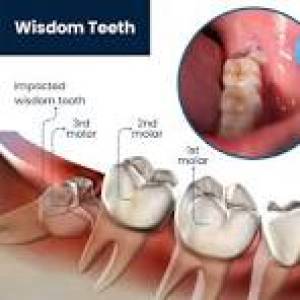
- Variable Presentation: Can emerge perfectly aligned and functional, resembling other molars. However, more frequently, they present as partially erupted, angled, or fully impacted (trapped beneath the gum line or bone).
- Root Structure: Often characterized by complex, variable root patterns, which can be challenging during "de-installation" procedures.
- Hardest Biological Substance: Composed of enamel, dentin, and cementum, making them incredibly durable – if they can find their place.
Potential "Product Defects" & User Experience Issues
While some users experience seamless integration, many encounter significant challenges:
- Impaction: The most common "defect." Due to insufficient jaw space, Wisdom Teeth may grow at an angle, horizontally, or remain trapped within the jawbone or gum tissue, unable to fully erupt.
- Pain & Discomfort: Ranging from dull aches to sharp, throbbing pain, especially during attempted eruption or when impacted, often accompanied by jaw stiffness.
- Infection (Pericoronitis): Partially erupted wisdom teeth create a prime environment for food and bacteria entrapment, leading to inflammation and painful infection of the surrounding gum tissue.
- Crowding & Damage to Adjacent Units: Can exert pressure on neighboring second molars, potentially causing damage, root resorption, misalignment of existing orthodontic work, or difficulty cleaning.
- Cyst Formation: In rare cases, fluid-filled sacs (cysts) can develop around an impacted wisdom tooth, potentially damaging bone and surrounding teeth.
- Difficulty with Oral Hygiene: Their far-back location often makes them hard to brush and floss effectively, significantly increasing the risk of cavities and gum disease in both the Wisdom Tooth and the adjacent molar.
Recommended "Maintenance" & "Troubleshooting"
- Regular Dental Check-ups: Essential for early detection and monitoring. Your dental professional can assess their development and potential trajectory through routine X-rays.
- Strategic Monitoring: For asymptomatic, well-aligned Wisdom Teeth that are fully erupted and maintainable, a "wait and see" approach might be recommended.
- Surgical Removal (Extraction): The most common and effective intervention for problematic Wisdom Teeth. Performed by a general dentist or an oral surgeon, this procedure aims to alleviate current symptoms, prevent future complications, and improve overall oral health.
Specifications
- Product Type: Third Molar (Permanent Tooth)
- Composition: Bio-mineral (Enamel, Dentin, Cementum), Pulp (blood vessels, nerves, connective tissue)
- Dimensions: Varies by individual; generally similar in size to other molars, but can be highly irregular.
- Availability: Naturally occurring; up to four units per human mouth.
- Installation Timeframe: Typically 17-25 years of age.
- Compatibility: Designed for human oral cavity, but often incompatible with modern jaw dimensions.
Important Consumer Note
While designed by nature, the "user experience" of Wisdom Teeth can be highly individual. Not everyone develops all four, and some fortunate individuals experience no complications. However, for many, professional dental consultation is paramount for managing this unique and often challenging "product" of human evolution.
Don't let your Wisdom Teeth dictate your comfort or compromise your oral health. Consult with your dental professional today to understand your unique oral landscape and explore the best course of action!