Description
Here's a detailed product description for Root Canal Therapy, formatted in Markdown:
Root Canal Therapy: Restore Health, Preserve Your Smile
Gentle & Effective Treatment for Lasting Dental Wellness
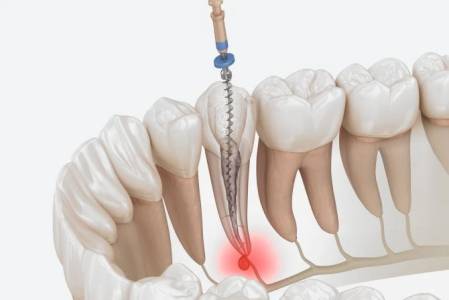
Root canal treatment, also known as endodontic therapy, is a highly effective and common dental procedure designed to save a tooth that has become severely infected or damaged. Often misunderstood, modern root canals are virtually painless, offering significant relief from discomfort and preventing the need for tooth extraction. Our goal is to preserve your natural teeth, ensuring long-term oral health and a beautiful, pain-free smile.
What is a Root Canal?
Inside your tooth, beneath the hard enamel and dentin layers, is a soft tissue called the pulp. This pulp contains blood vessels, nerves, and connective tissue, which help grow the root of your tooth during development. Once a tooth is fully mature, it can survive without the pulp, as it continues to be nourished by the surrounding tissues.
When the pulp becomes inflamed or infected due to deep decay, repeated dental procedures, cracks, or trauma to the tooth, root canal therapy is necessary to remove the damaged pulp, clean the inside of the tooth, and seal it to prevent further infection.
Key Benefits of Root Canal Therapy:
- Eliminate Pain: Directly addresses the source of intense toothache caused by infection or inflammation, providing significant relief.
- Preserve Your Natural Tooth: Avoids extraction, maintaining the integrity of your bite and smile, and preventing neighboring teeth from shifting.
- Prevent Further Infection: Removes bacteria and diseased tissue, stopping the spread to adjacent teeth, gums, and bone.
- Restore Functionality: Allows you to chew, speak, and smile with comfort and confidence once the treated tooth is properly restored.
- Maintain Aesthetics: Keeps your natural tooth in place, preserving your smile's appearance without the need for prosthetic replacements.
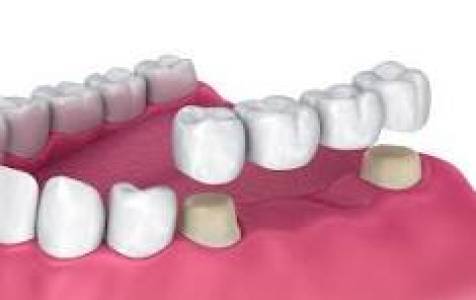
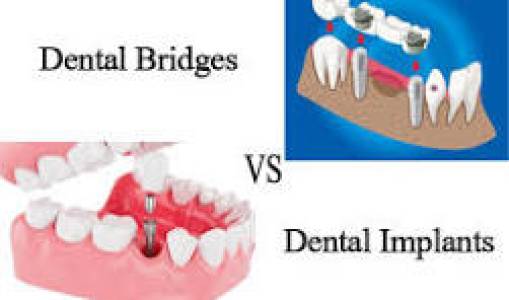
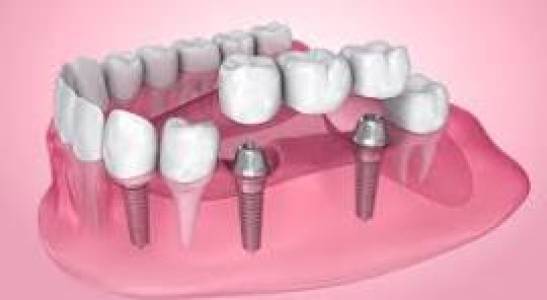
- Cost-Effective Long-Term: Often a more economical solution compared to tooth extraction followed by a bridge, dental implant, or partial denture.
You Might Need Root Canal Therapy If You Experience:
- Persistent and severe toothache, especially when chewing or applying pressure.
- Prolonged sensitivity to hot or cold temperatures, even after the source is removed.
- Swelling and tenderness in the surrounding gums or face.
- A small, pimple-like bump (fistula) on the gums near the affected tooth.
- Discoloration or darkening of the tooth.
- Deep decay that has reached the pulp.
- Cracks, chips, or trauma to the tooth that exposes the pulp.
- Pain that wakes you up at night.
Our Gentle Root Canal Process:
We prioritize your comfort throughout the entire procedure. Our experienced endodontists and general dentists use state-of-the-art technology and techniques to ensure your treatment is as comfortable, efficient, and stress-free as possible. Here's a general overview of what to expect:
- Diagnosis & Anesthesia: We start with a thorough examination, including X-rays, to accurately diagnose the problem. The tooth and surrounding area will then be thoroughly numbed with local anesthesia to ensure a completely pain-free experience.
- Isolation: A rubber dam (a small sheet of latex or non-latex material) is placed around the tooth to isolate it, keeping it clean and free from saliva during the procedure.
- Access Opening: A small opening is carefully made in the crown of the tooth to access the infected pulp chamber and root canals.
- Cleaning & Shaping: The infected pulp, nerve tissue, and bacteria are meticulously removed from the pulp chamber and root canals using specialized, flexible instruments. The canals are then cleaned, disinfected, and shaped to prepare them for filling.
- Filling & Sealing: Once the canals are thoroughly cleaned and disinfected, they are filled with a biocompatible, rubber-like material called gutta-percha and sealed with an adhesive cement to prevent re-infection.
- Temporary Restoration: A temporary filling is placed in the access opening to protect the tooth until your permanent restoration (usually a crown) is ready.
- Permanent Restoration (Crown): In most cases, a dental crown is recommended after root canal therapy. This crown encapsulates and protects the treated tooth from fracture, restores its full strength, and ensures its long-term viability and aesthetic appearance.
Your Comfort is Our Priority:
We understand that the thought of a root canal can be daunting. Our compassionate team uses the latest technology, including digital X-rays, advanced rotary instruments, and meticulous isolation techniques, to ensure your treatment is as comfortable, efficient, and stress-free as possible. We encourage open communication and are always here to answer your questions and address any concerns you may have.
After Your Root Canal:
- You may experience some mild sensitivity or soreness for a few days, which can typically be managed with over-the-counter pain relievers.
- Avoid chewing on the treated tooth until your permanent crown or restoration is placed to prevent damage or fracture.
- Maintain excellent oral hygiene with regular brushing and flossing.
- Attend your follow-up appointments for the placement of your permanent crown.
- With proper care, a root canal-treated tooth can last a lifetime.
Don't Let Pain Dictate Your Life – Take the First Step Towards Relief!
If you are experiencing symptoms of a tooth infection, don't delay treatment. Delaying care can lead to more serious complications, including tooth loss. Contact us today to schedule a comprehensive consultation. Our expert team will assess your condition, answer all your questions, and develop a personalized treatment plan to restore your oral health, comfort, and the natural beauty of your smile.