Description
This detailed product description for Dental Restoration encompasses the broad category, outlining its purpose, types, materials, benefits, and maintenance.
Premier Dental Restoration Solutions: Reclaiming Your Oral Health & Aesthetics
Introduction
Dental restoration refers to the art and science of restoring the function, integrity, and morphology of missing tooth structure resulting from caries or external trauma, as well as the replacement of missing teeth. It's a critical aspect of modern dentistry, vital for maintaining overall oral health, preventing further damage, alleviating pain, and enhancing the aesthetic appeal of your smile.
Our comprehensive range of dental restoration solutions offers a spectrum of treatments, from conservative repairs to extensive reconstructions, utilizing advanced techniques and state-of-the-art materials to ensure durable, natural-looking, and long-lasting results.
Key Features & Types of Dental Restoration
Dental restoration encompasses a variety of procedures tailored to specific needs:
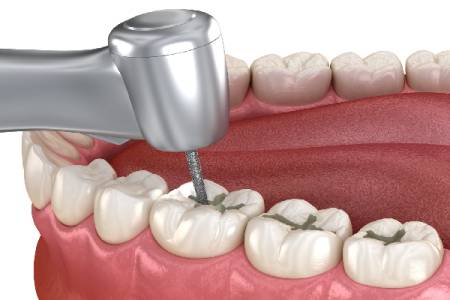
1. Dental Fillings
- Purpose: To repair teeth damaged by decay, restoring their original shape and function.
- Application: Used for small to moderate cavities.
- Materials:
- Composite (Tooth-Colored) Fillings: Made from a mixture of plastic and fine glass particles. Highly aesthetic, bonded directly to the tooth, and can be shade-matched to natural teeth.
- Amalgam (Silver) Fillings: A durable, cost-effective option for posterior teeth, though less aesthetic. (Usage is declining due to aesthetic concerns and material advancements).
- Glass Ionomer Fillings: Releases fluoride, beneficial for children or patients with high decay risk, often used for temporary restorations or in non-stress-bearing areas.
2. Dental Crowns (Caps)
- Purpose: Full coverage restorations that encase the entire visible portion of a tooth above the gum line.
- Application: Recommended for extensively decayed, fractured, or weakened teeth (e.g., after root canal treatment), or to cover a dental implant.
- Materials:
- Porcelain/Ceramic Crowns: Highly aesthetic, mimicking natural tooth translucency. Excellent for front teeth.
- Zirconia Crowns: Extremely strong, durable, and highly aesthetic. A popular choice for both front and back teeth due to its fracture resistance and natural appearance.
- Porcelain Fused to Metal (PFM) Crowns: Offer a blend of strength (metal substructure) and aesthetics (porcelain overlay), though a metal line can sometimes be visible at the gumline.
- Gold Alloy Crowns: Biocompatible, highly durable, and wear-resistant, often chosen for molars where aesthetics are less of a concern.
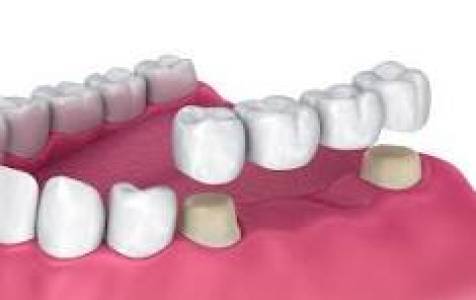
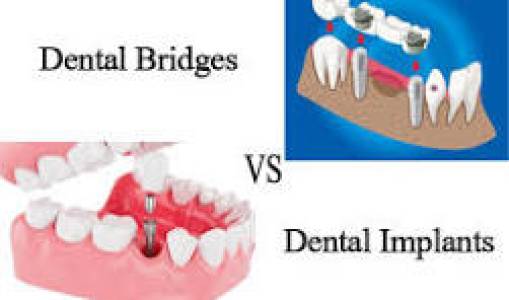
3. Dental Bridges
- Purpose: To replace one or more missing teeth by bridging the gap between existing natural teeth or implants.
- Application: A fixed prosthetic attached to adjacent crowns (abutments) on either side of the gap.
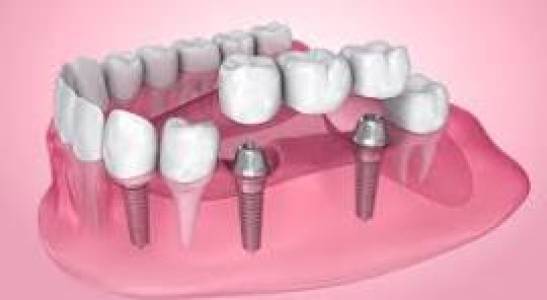
- Types: Traditional, Cantilever, Maryland bonded, and Implant-supported bridges.
- Materials: Similar to crowns (porcelain, zirconia, PFM).
4. Dental Implants
- Purpose: A surgical component that interfaces with the bone of the jaw or skull to support a dental prosthesis such as a crown, bridge, denture, or facial prosthesis.
- Application: The most durable and long-term solution for replacing missing teeth, functioning like a natural tooth root.
- Components: Titanium or zirconia implant post, abutment, and custom-made crown.
5. Inlays and Onlays (Partial Crowns)
- Purpose: Custom-made restorations for teeth with decay or damage too extensive for a filling but not severe enough for a full crown.
- Application:
- Inlays: Lie within the cusps (the raised points) of the tooth.
- Onlays: Cover one or more cusps, extending over the biting surface.
- Materials: Porcelain/ceramic, composite resin, or gold.
6. Dental Veneers
- Purpose: Thin, custom-made shells of tooth-colored material designed to cover the front surface of teeth.
- Application: Primarily aesthetic, used to improve the appearance of discolored, worn, chipped, or misaligned teeth.
- Materials: Porcelain or composite resin.
Core Benefits of Dental Restoration
- Restores Functionality: Enables proper chewing and biting, improving digestion and nutrition.
- Alleviates Pain: Eliminates discomfort caused by decay, fractures, or exposed nerves.
- Prevents Further Damage: Stops the progression of decay, protects weakened teeth from fracture, and prevents adjacent teeth from shifting into gaps.
- Enhances Aesthetics: Improves the appearance of your smile, boosting confidence and self-esteem.
- Improves Speech: Addresses issues caused by missing teeth or improper bite.
- Preserves Natural Tooth Structure: Modern techniques aim to conserve as much healthy tooth as possible.
- Long-Term Solution: With proper care, many restorations can last for decades.
- Biocompatibility: Utilizing materials that are harmonious with the body's natural tissues.
Advanced Technologies & Materials
Our commitment to excellence involves:
- CAD/CAM Technology: Computer-aided design and manufacturing for precise, custom-fit restorations, often fabricated in a single visit.
- High-Strength Ceramics: Materials like Zirconia and E-max (lithium disilicate) offering unparalleled strength, durability, and natural aesthetics.
- Advanced Bonding Agents: Ensuring strong, long-lasting adhesion between restorative materials and natural tooth structure.
- Digital Impressions: Eliminating uncomfortable traditional impressions for a more pleasant patient experience and greater accuracy.
Indications for Dental Restoration
- Dental caries (cavities)
- Fractured, chipped, or cracked teeth
- Missing teeth (due to extraction, trauma, or congenital absence)
- Excessive tooth wear (from bruxism or erosion)
- Weakened teeth (post-root canal treatment)
- Severe discoloration or staining unresponsive to whitening
- Minor orthodontic issues (e.g., gaps or slight misalignment)
- Old, failing, or unaesthetic existing restorations
Maintenance & Longevity
To ensure the longevity of your dental restorations:
- Practice Excellent Oral Hygiene: Brush twice daily with fluoride toothpaste and floss once a day.
- Regular Dental Check-ups: Visit your dentist for professional cleanings and examinations at least twice a year.
- Avoid Harmful Habits: Refrain from chewing on ice, biting hard objects, or using your teeth as tools.
- Consider a Nightguard: If you clench or grind your teeth (bruxism), a custom nightguard can protect your restorations and natural teeth.
- Healthy Diet: Limit sugary and acidic foods and beverages.
Conclusion
Dental restoration is an investment in your oral health, overall well-being, and quality of life. By choosing the right restorative solution, you can regain comfort, confidence, and a beautiful, functional smile. Consult with a qualified dental professional to determine the most appropriate and effective treatment plan for your specific needs.