Description
Dental Implants: Restore Your Smile, Confidence, and Function
Missing teeth can impact more than just your appearance; they can affect your ability to eat, speak, and even your overall oral health. Dental implants are the gold standard for replacing missing teeth, offering a durable, natural-looking, and long-lasting solution designed to integrate seamlessly with your natural jawbone.
What are Dental Implants?
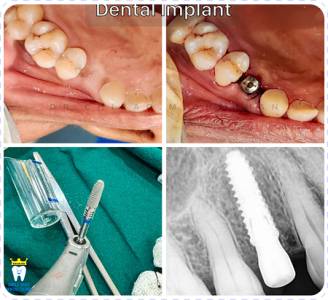
A dental implant is a sophisticated, three-part prosthetic device that serves as a permanent replacement for the root of a missing tooth. It consists of:
- Implant Post (Fixture): A small, biocompatible titanium screw surgically placed into the jawbone, acting as an artificial tooth root.
- Abutment: A connector piece attached to the implant post, extending above the gum line.
- Prosthetic Crown: A custom-made, natural-looking porcelain or ceramic crown, bridge, or denture that attaches to the abutment, completing your smile.
This innovative solution provides stability, preserves jawbone health, and delivers a restoration that looks, feels, and functions like your natural teeth.
Key Benefits of Choosing Dental Implants
Dental implants offer a multitude of advantages that go beyond simply filling a gap:
- Natural Look & Feel: Custom-designed crowns blend seamlessly with your existing teeth, making them virtually indistinguishable. They feel just like your natural teeth.
- Restored Functionality: Regain the ability to chew, bite, and speak with confidence and comfort. No more dietary restrictions or concerns about slipping dentures.
- Long-Term Durability: Made from biocompatible titanium, implants are designed to be a permanent solution that can last a lifetime with proper care.
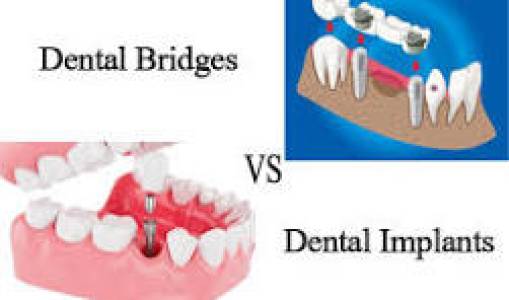
- Preserves Bone Health: Unlike traditional bridges or dentures, implants stimulate the jawbone, preventing bone loss (resorption) that naturally occurs when a tooth root is missing.
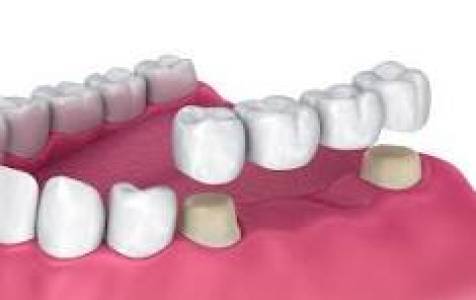
- Protects Adjacent Teeth: Dental implants stand alone and do not require altering or grinding down healthy adjacent teeth, as is often necessary with traditional bridges.
- Improved Oral Health: Easier to clean and maintain than bridges or partial dentures, contributing to better overall oral hygiene.
- Enhanced Confidence & Quality of Life: Enjoy the freedom to smile, laugh, and eat your favorite foods without self-consciousness or discomfort.
How Dental Implants Work: The Process
The dental implant process typically involves several stages, meticulously planned to ensure optimal results:
- Comprehensive Consultation & Planning:
- A thorough examination of your oral health, including X-rays, 3D scans (CBCT), and digital impressions.
- Assessment of bone density and overall suitability for implants.
- Personalized treatment plan tailored to your specific needs and goals.
- Implant Placement:
- The titanium implant post is surgically placed into the jawbone beneath the gum line.
- This is typically performed under local anesthesia, often with sedation options for comfort.
- Osseointegration (Healing Phase):
- This critical phase involves the natural process of your jawbone fusing directly with the titanium implant post.
- This typically takes 3-6 months, creating a strong and stable foundation for your new tooth. A temporary restoration may be provided during this time.
- Abutment Placement:
- Once osseointegration is complete, a small connector piece called an abutment is attached to the implant post. This may be done in a separate minor procedure or at the time of implant placement.
- Custom Crown Restoration:
- Impressions are taken to custom-fabricate your permanent crown, bridge, or denture.
- The final restoration is then securely attached to the abutment, completing your new, beautiful, and functional smile.
Types of Dental Implants
Depending on your specific needs, various implant solutions are available:
- Single Tooth Implant: Replaces one missing tooth without affecting adjacent teeth.
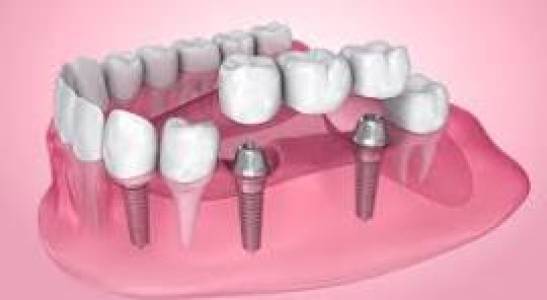
- Multiple Teeth Implants: Used to support an implant-supported bridge, replacing several missing teeth in a row.
- Full Arch Implants (e.g., All-on-4® or All-on-6®): A revolutionary technique that uses strategically placed implants to support a full arch of permanent, fixed teeth, even for patients with significant bone loss.
- Implant-Retained Dentures: Stabilize and support removable dentures, eliminating slippage and improving chewing efficiency.
Am I a Candidate for Dental Implants?
Most individuals in good general and oral health who have lost one or more teeth are potential candidates for dental implants. Key factors for successful implant placement include:
- Sufficient Jawbone Density: Adequate bone is needed to support the implant. Bone grafting may be an option if density is insufficient.
- Good Oral Health: Healthy gums and absence of active periodontal disease are crucial.
- Commitment to Oral Hygiene: Regular brushing, flossing, and dental check-ups are essential for implant longevity.
- No Uncontrolled Chronic Diseases: Conditions like uncontrolled diabetes or certain medical treatments may affect healing.
Only a comprehensive consultation with an experienced dental implant professional can determine if dental implants are the right solution for you.
Take the Next Step Towards a Complete Smile
Investing in dental implants is an investment in your oral health, overall well-being, and confidence. If you're living with missing teeth and seeking a durable, natural, and functional replacement, dental implants could be the perfect solution for you.
Contact us today to schedule your personalized consultation and discover how dental implants can transform your smile and your life!