Description
Here's a detailed product description for Root Canal Treatment in Markdown format, suitable for a dental practice's website or informational brochure.
Root Canal Treatment: Save Your Natural Tooth & Find Lasting Relief
Experiencing Tooth Pain or Sensitivity?
If you're suffering from persistent tooth pain, prolonged sensitivity to hot or cold, tenderness when chewing, or swelling in your gums, you might have an infection or inflammation deep within your tooth. Don't let dental pain dictate your life! Our modern root canal treatment (also known as endodontic treatment) is a highly effective and comfortable procedure designed to relieve your pain, eliminate infection, and save your natural tooth from extraction.
What Exactly is a Root Canal?
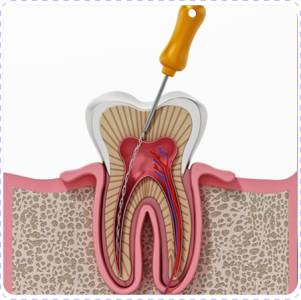
At the center of your tooth lies a soft tissue called the pulp. This pulp contains nerves, blood vessels, and connective tissue, which help the tooth grow during its development. Once a tooth is fully mature, it can survive without the pulp because the surrounding tissues continue to nourish it.
A root canal becomes necessary when the pulp becomes inflamed or infected. This can happen due to:
- Deep decay
- Repeated dental procedures on the tooth
- A crack or chip in the tooth
- Trauma to the face
During a root canal procedure, we carefully remove the damaged or infected pulp, clean and disinfect the inside of the tooth, and then fill and seal it to prevent further infection. This treatment is often the best alternative to extraction, allowing you to keep your natural tooth and maintain your smile.
Signs You Might Need a Root Canal:
It's important to recognize the symptoms that indicate a potential need for root canal treatment. If you experience any of the following, please contact us for an evaluation:
- Persistent Tooth Pain: Ranging from mild to severe, constant or intermittent.
- Prolonged Sensitivity: Sensitivity to hot or cold temperatures, even after the source has been removed.
- Tenderness to Touch and Chewing: Pain when biting down or touching the tooth.
- Swelling or Tenderness in Nearby Gums: A pimple-like bump on the gums (dental abscess).
- Discoloration of the Tooth: The tooth may darken due to internal damage.
The Benefits of Choosing Root Canal Treatment:
Choosing root canal treatment over extraction offers numerous advantages:
- Pain Relief: Eliminates the source of your severe toothache and discomfort.
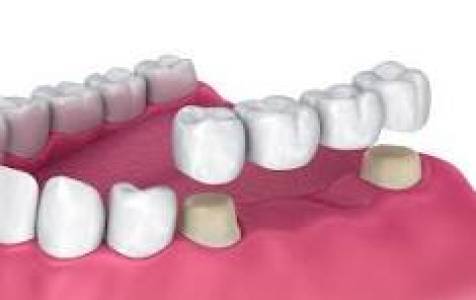
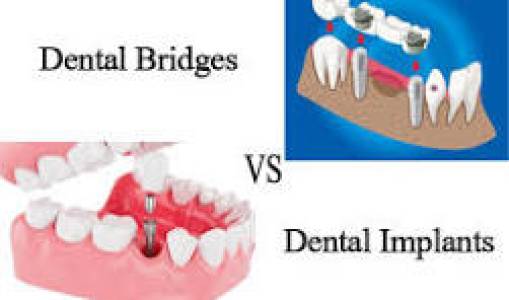
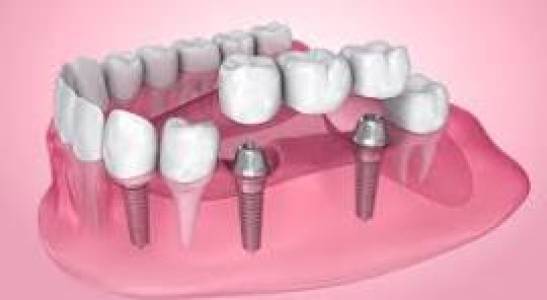
- Saves Your Natural Tooth: Preserves your original tooth, preventing the need for bridges, implants, or dentures.
- Maintains Your Natural Smile: Keeps your teeth properly aligned and looking natural.
- Normal Biting & Chewing: Restores the tooth's full function, allowing you to eat your favorite foods comfortably.
- Protects Adjacent Teeth: Prevents surrounding teeth from shifting due to a gap left by an extraction.
- Cost-Effective: Often more economical in the long run than replacing an extracted tooth.
Our Root Canal Procedure: What to Expect
We prioritize your comfort and understanding throughout the entire process. Here's a simplified overview of how we perform a root canal:
- Diagnosis and Anesthesia: We begin with a thorough examination, including X-rays, to confirm the diagnosis. Local anesthesia is then administered to numb the tooth and surrounding area, ensuring a pain-free experience.
- Access Opening: A small opening is made in the crown of the tooth to access the pulp chamber and root canals.
- Pulp Removal & Cleaning: The infected or inflamed pulp is carefully removed from the pulp chamber and root canals using specialized instruments. The canals are then thoroughly cleaned, shaped, and disinfected.
- Filling & Sealing: The cleaned canals are filled with a biocompatible material, typically gutta-percha, and sealed with an adhesive cement to prevent reinfection.
- Temporary Restoration: A temporary filling is placed in the access opening to protect the tooth until the permanent restoration.
- Permanent Restoration: In most cases, a dental crown is recommended after a root canal to protect the treated tooth from future fractures and restore its full function and appearance. This is typically done in a separate appointment.
Post-Treatment Care & Recovery:
- Avoid Chewing: Refrain from chewing or biting on the treated tooth until your permanent restoration (crown) is in place.
- Oral Hygiene: Continue to brush and floss regularly to maintain good oral health.
- Mild Discomfort: It's normal to experience some mild discomfort or sensitivity for a few days after the procedure, which can usually be managed with over-the-counter pain relievers.
- Follow-Up: Attend all scheduled follow-up appointments, especially for the placement of your permanent crown.
Why Choose [Your Practice Name/Our Expert Team] for Your Root Canal?
- Experienced Professionals: Our highly skilled dentists have extensive experience in advanced endodontic techniques.
- Advanced Technology: We utilize state-of-the-art equipment and digital imaging to ensure precise and efficient treatment.
- Patient Comfort: We prioritize your comfort with gentle techniques, local anesthesia, and a calming environment.
- Personalized Care: Each treatment plan is tailored to your specific needs and oral health goals.
- Commitment to Preservation: Our goal is always to save your natural tooth whenever possible.
Ready to Find Relief?
Don't let dental pain dictate your life. If you suspect you might need root canal treatment, or if you're experiencing any concerning dental symptoms, don't hesitate to reach out.
Contact us today to schedule your consultation and take the first step towards a pain-free, healthy smile!
[Your Practice Name] [Phone Number] [Email Address] [Website] [Office Address]
Disclaimer: The information provided is for general educational purposes only and does not constitute medical advice. Please consult with a qualified dental professional for any health concerns or before making any decisions related to your dental care.