Description
Restore Your Smile and Health: Comprehensive Dental Fillings
At [Your Dental Practice Name], we understand that a healthy smile is a vital part of your overall well-being. If you're experiencing tooth sensitivity, have a visible cavity, or need to replace an old, failing filling, our restorative dentistry services, particularly dental fillings, offer an effective and lasting solution.
What is a Dental Filling?
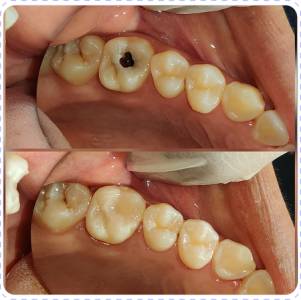
A dental filling is a common and highly effective restorative procedure designed to repair a tooth damaged by decay (cavity), cracks, fractures, or wear. During the procedure, the decayed or damaged portion of the tooth is carefully removed, cleaned, and then filled with a durable material. This process restores the tooth's structure, prevents further decay, alleviates discomfort, and brings back its natural form and function.
Why Might You Need a Dental Filling?
You might be a candidate for a dental filling if you have:
- Cavities (Tooth Decay): The most common reason, where bacteria create holes in the tooth enamel.
- Tooth Sensitivity: Pain or discomfort when consuming hot, cold, sweet, or acidic foods/drinks.
- Visible Holes or Pits: Noticeable depressions or dark spots on the surface of your tooth.
- Cracked or Chipped Teeth: Damage from trauma or habitual grinding (bruxism).
- Worn Down Teeth: Erosion from grinding or aggressive brushing.
- Failing or Old Fillings: Existing fillings that are chipped, cracked, or leaking, which can allow new decay to form underneath.
- Pain When Chewing: Discomfort or sharp pain when biting down.
Benefits of Dental Fillings
Choosing to get a dental filling offers numerous advantages:
- Stops Decay Progression: Removes infected tissue and seals the tooth, preventing further damage.
- Alleviates Pain and Sensitivity: Addresses the root cause of discomfort, allowing you to eat and drink without pain.
- Restores Tooth Function: Brings back the tooth's ability to chew and bite effectively.
- Protects from Further Damage: Strengthens the tooth structure and prevents fractures or more extensive decay.
- Improves Aesthetics: Tooth-colored fillings blend seamlessly with your natural teeth, enhancing your smile.
- Prevents More Complex Procedures: Addressing decay early with a filling can prevent the need for more involved (and expensive) treatments like root canals or extractions.
- Long-Lasting Solution: Modern filling materials are highly durable and can last for many years with proper care.
Types of Dental Fillings We Offer
We believe in personalized care, which includes offering a choice of filling materials to best suit your needs, preferences, and budget. During your consultation, we'll discuss the pros and cons of each option.
1. Composite Resin Fillings (Tooth-Colored Fillings)
- Description: Made from a mixture of plastic and fine glass particles, these fillings are designed to match the shade of your natural teeth, making them virtually invisible.
- Benefits:
- Aesthetic Appeal: Blends seamlessly with surrounding teeth.
- Minimally Invasive: Requires less removal of healthy tooth structure compared to amalgam.
- Bonds to Tooth: Chemically bonds to the tooth, providing additional support.
- Versatile: Suitable for both front and back teeth.
- Considerations: Can be more susceptible to staining than natural teeth over time, and generally less durable than amalgam for very large restorations in high-pressure areas (though modern composites are highly robust).
2. Amalgam Fillings (Silver Fillings)
- Description: A durable and time-tested material made from a mixture of metals, primarily silver, tin, copper, and mercury.
- Benefits:
- Exceptional Durability: Very strong and resistant to wear, making them ideal for back teeth where chewing forces are highest.
- Cost-Effective: Generally a more economical option.
- Proven Track Record: Has been used safely and effectively in dentistry for over 100 years.
- Considerations:
- Appearance: Their silver color makes them more noticeable.
- No Chemical Bond: Requires specific tooth preparation to hold the filling in place.
- Temperature Sensitivity: Can expand and contract more than tooth-colored fillings with temperature changes.
The Dental Filling Procedure: What to Expect
Your comfort is our priority. A dental filling is a routine procedure, typically completed in a single visit:
- Diagnosis: We start with a thorough examination, including digital X-rays, to accurately diagnose the extent of the decay or damage.
- Anesthesia: To ensure a pain-free experience, we'll administer a local anesthetic to numb the tooth and surrounding area.
- Decay Removal: Our dentist will carefully and precisely remove the decayed or damaged tooth material using specialized instruments.
- Tooth Preparation: The remaining tooth structure is prepared to receive the filling. For composite fillings, a bonding agent is applied.
- Filling Application: The chosen filling material is then applied into the cavity. For composite fillings, it's often applied in layers, with each layer hardened by a special light.
- Shaping and Polishing: The filling is expertly shaped to match the contours of your natural tooth and polished to ensure a smooth surface and proper bite.
After Your Filling: Care and Longevity
- Initial Sensitivity: It's normal to experience some temporary sensitivity to hot or cold after a filling, which usually subsides within a few days or weeks.
- Oral Hygiene: Maintain excellent oral hygiene with regular brushing, flossing, and antiseptic mouthwash.
- Regular Check-ups: Continue with your routine dental check-ups and cleanings to monitor the health of your fillings and overall oral health.
- Avoid Hard Foods: Be cautious with very hard or sticky foods, especially in the first few hours after an amalgam filling.
- Longevity: With proper care, fillings can last for many years. Composite fillings typically last 5-10 years, while amalgam fillings can last 10-15 years or even longer.
Why Choose [Your Dental Practice Name] for Your Restorative Needs?
- Experienced & Gentle Dentists: Our team is highly skilled in restorative dentistry, dedicated to providing comfortable and effective treatment.
- State-of-the-Art Technology: We utilize advanced diagnostic tools and techniques for precise and efficient procedures.
- Personalized Treatment Plans: We take the time to discuss your options and create a treatment plan tailored to your unique needs and preferences.
- Commitment to Comfort: From our welcoming environment to our sedation options, we strive to make your dental experience as stress-free as possible.
- Quality Materials: We use only high-quality, durable filling materials to ensure the best possible outcome for your long-term oral health.
Ready to Restore Your Smile?
Don't let decay or tooth damage compromise your oral health and confidence. A simple dental filling can make a world of difference.
Contact [Your Dental Practice Name] today to schedule a consultation and find out how we can help you achieve a healthy, pain-free, and beautiful smile.
Call us at: [Your Phone Number] Visit our website: [Your Website Address] Or stop by: [Your Address]