Description
This detailed product description for Root Canal Treatment (RCT) is designed to be informative, reassuring, and persuasive, using Markdown for clear formatting.
Restore Your Health & Smile: Comprehensive Root Canal Treatment (RCT)
Are you experiencing severe tooth pain, sensitivity, or swelling?
Don't let dental discomfort dictate your life. Root Canal Treatment (RCT), also known as endodontic treatment, is a highly effective and common dental procedure designed to save your natural tooth, relieve pain, and eliminate infection. At our clinic, we combine advanced technology with a gentle approach to ensure your comfort and the best possible outcome.
What is Root Canal Treatment (RCT)?
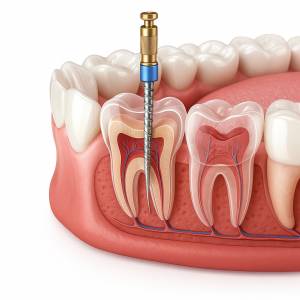
Root Canal Treatment is a specialized dental procedure that addresses damage to the soft tissue inside your tooth, called the pulp. The pulp contains nerves, blood vessels, and connective tissue, and extends from the crown of the tooth down to the tip of the root.
When the pulp becomes inflamed, infected, or damaged due to deep decay, repeated dental procedures, cracks, or trauma, it can cause excruciating pain and lead to serious health complications if left untreated. RCT involves:
- Carefully removing the infected or inflamed pulp.
- Cleaning and disinfecting the inside of the tooth.
- Filling and sealing the space to prevent future infection.
The primary goal of RCT is to preserve your natural tooth, avoiding the need for extraction.
When Do You Need an RCT? (Indications)
You might be a candidate for Root Canal Treatment if you experience any of the following symptoms:
- Severe toothache when chewing or applying pressure.
- Prolonged sensitivity to hot or cold temperatures, even after the source of heat or cold has been removed.
- Discoloration (darkening) of the tooth.
- Swelling and tenderness in the surrounding gums.
- A persistent pimple-like bump on the gums near the affected tooth (indicates an abscess).
- Deep decay or a cracked tooth that has reached the pulp.
- In some cases, there may be no symptoms, but an infection is detected on X-rays during a routine check-up.
Key Benefits of Choosing RCT Over Extraction
Opting for a root canal offers significant advantages:
- Preserves Your Natural Tooth: Avoids the need for tooth removal, maintaining your natural bite and smile.
- Eliminates Pain and Infection: Effectively removes the source of discomfort and prevents the spread of infection to other areas of your body.
- Maintains Chewing Efficiency: Allows you to continue eating the foods you love without pain or discomfort.
- Protects Adjacent Teeth: Prevents shifting of neighboring teeth that can occur with a missing tooth.
- Aesthetics: A restored tooth with a crown looks and functions just like your natural teeth.
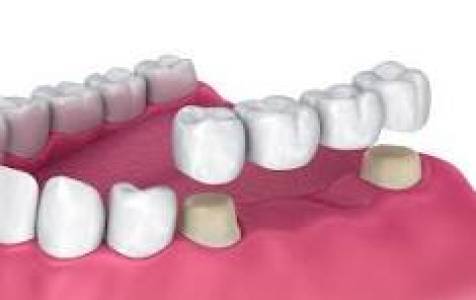
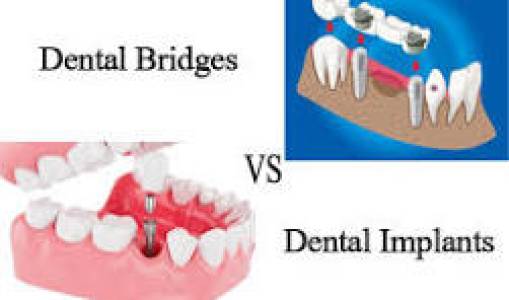
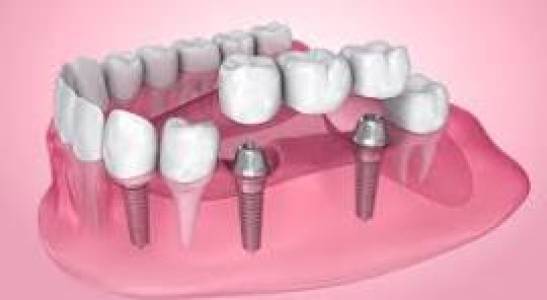
- Cost-Effective Long-Term: Often more affordable than replacing a missing tooth with an implant or bridge.
The RCT Procedure – Step-by-Step
Our comprehensive Root Canal Treatment typically involves the following stages, often completed in one or two appointments:
- Diagnosis & Anesthesia:
- We begin with a thorough examination, including digital X-rays, to accurately diagnose the problem.
- Local anesthesia is administered to numb the affected tooth and surrounding area, ensuring a pain-free experience.
- Access Opening:
- A small opening is created in the crown of the tooth to access the pulp chamber and root canals.
- Cleaning & Shaping:
- Tiny, flexible instruments (endodontic files) are used to carefully remove the infected or inflamed pulp, bacteria, and debris from within the root canals.
- The canals are then meticulously shaped to prepare them for filling.
- Disinfection:
- Antiseptic solutions are used to thoroughly irrigate and disinfect the root canals, eliminating any remaining bacteria.
- Filling & Sealing:
- Once cleaned and disinfected, the root canals are filled with a biocompatible, rubber-like material called gutta-percha, usually combined with an adhesive sealer. This seals the canals to prevent reinfection.
- Restoration:
- A temporary filling is placed in the access opening.
- In most cases, a permanent restoration, such as a dental crown, is recommended to protect the treated tooth from fracture, restore its full function, and ensure its long-term success.
After Your Root Canal – Post-Treatment Care
- Manage Discomfort: It's normal to experience some mild tenderness or sensitivity for a few days. Over-the-counter pain relievers can effectively manage this.
- Avoid Chewing: Refrain from chewing on the treated tooth until your permanent crown or restoration is placed to prevent damage.
- Good Oral Hygiene: Continue your regular brushing, flossing, and antiseptic mouthwash routine.
- Follow-Up: Attend all scheduled follow-up appointments, especially for the placement of your permanent crown.
With proper care and good oral hygiene, your root canal treated tooth can last a lifetime!
Why Choose Us for Your Root Canal Treatment?
- Experienced Professionals: Our skilled dentists and endodontists specialize in root canal procedures, ensuring precision and expertise.
- Advanced Technology: We utilize state-of-the-art equipment, including digital X-rays, rotary endodontic instruments, and magnification, for accurate diagnosis and efficient treatment.
- Patient Comfort Focus: We prioritize your comfort with effective anesthesia techniques, a relaxing environment, and a compassionate team.
- Strict Sterilization: Adherence to the highest sterilization standards for your safety.
- Comprehensive Care: From diagnosis to final restoration, we provide complete care under one roof.
Frequently Asked Questions (FAQs)
Q: Is Root Canal Treatment painful? A: No. With modern anesthesia techniques, the procedure is typically no more uncomfortable than having a regular filling. The goal of an RCT is to relieve your pain.
Q: How long does a root canal take? A: Most root canal procedures are completed in one to two appointments, each lasting 60-90 minutes, depending on the complexity of the tooth.
Q: Do I always need a crown after a root canal? A: While not always mandatory, a crown is highly recommended, especially for back teeth, to protect the treated tooth from fracture and ensure its long-term success. The tooth becomes more brittle after the pulp is removed.
Q: What happens if I don't get a root canal when I need one? A: The infection will spread, leading to increased pain, swelling, bone loss around the tooth, and potentially more serious health issues. Eventually, the tooth will need to be extracted.
Q: How long does a root canal treated tooth last? A: With proper care, good oral hygiene, and a protective crown, a root canal treated tooth can last for many years, even a lifetime.
Ready to Get Relief?
Don't endure unnecessary tooth pain. Contact us today to schedule your consultation and find out if Root Canal Treatment is the right solution for you. Our team is here to answer all your questions and guide you toward a pain-free, healthy smile!
Call us at [Your Phone Number] or visit our website at [Your Website Address] to book your appointment.