Description
Re-Root Canal Treatment: Giving Your Tooth a Second Chance at Health
Has a previously treated root canal tooth started causing you trouble again? You're not alone. While initial root canal treatments boast a high success rate, sometimes a tooth that has undergone endodontic therapy may not heal as expected, or new problems can arise years later.
Re-Root Canal Treatment, also known as Endodontic Retreatment, offers a specialized solution to save your tooth from extraction, alleviate discomfort, and restore its health. It's a meticulous procedure designed to address the complexities of a previously treated tooth, giving it a second chance at success.
What is Re-Root Canal Treatment?
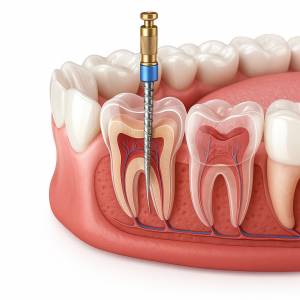
Re-Root Canal Treatment is a sophisticated dental procedure performed by an endodontist (a root canal specialist) to address issues with a tooth that has already had a root canal. It involves carefully reopening the tooth, removing the old filling materials, thoroughly cleaning and reshaping the canals, and then refilling and sealing them with new materials.
Unlike the initial root canal, retreatment can be more complex due as the tooth's anatomy may be altered, and existing restorative materials need to be navigated. Our specialists utilize advanced techniques and technology to ensure the most precise and effective outcome.
Why Might You Need a Re-Root Canal?
Several reasons can necessitate a re-root canal:
- Persistent Pain or Tenderness: The most common sign that the initial treatment may have failed or a new infection has developed.
- New Infection or Abscess: Bacteria can reinfect the tooth if new decay occurs, a filling or crown leaks, or the initial cleaning was incomplete.
- Inadequate Initial Treatment: If the first root canal failed to thoroughly clean and seal all the tiny canals within the tooth, residual bacteria could lead to future problems.
- New Decay or Fracture: A new cavity or a crack in the tooth can expose the root canal filling to bacteria, leading to reinfection.
- Failed Restoration: A poorly fitting or damaged crown/filling can allow saliva and bacteria to reach the treated root canal.
- Complicated Anatomy: Some root canal systems have unusually narrow or curved canals that were not fully treated during the initial procedure.
Key Benefits of Re-Root Canal Treatment
Choosing to undergo a re-root canal offers significant advantages:
- Tooth Preservation: The primary benefit is saving your natural tooth, avoiding the need for extraction.
- Relief from Pain & Discomfort: Effectively eliminates the source of infection and inflammation, providing lasting relief.
- Restored Chewing Function: Allows you to chew and speak comfortably and naturally.
- Natural Aesthetics: Maintains the appearance of your natural smile.
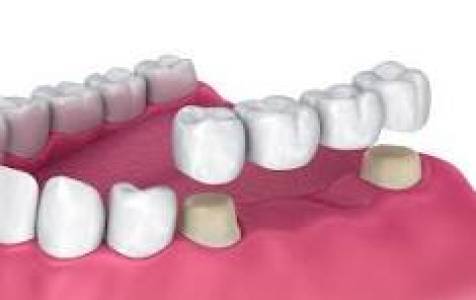
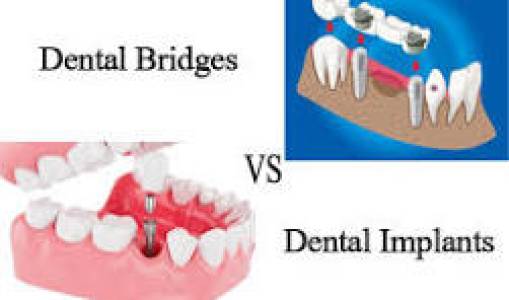
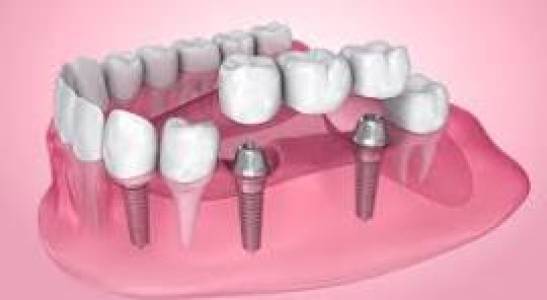
- Avoids Extraction & Costly Replacements: Prevents the need for more invasive and expensive solutions like dental implants, bridges, or partial dentures.
- Maintains Jawbone Integrity: Preserving your natural tooth helps maintain the bone structure in your jaw.
The Re-Root Canal Procedure: What to Expect
While each case is unique, the general steps for a re-root canal typically involve:
- Comprehensive Examination: We'll begin with a thorough assessment, including digital X-rays and often 3D imaging (CBCT scan), to accurately diagnose the problem and understand the tooth's complex internal anatomy.
- Local Anesthesia: The area around the affected tooth will be numbed to ensure a comfortable, pain-free experience.
- Access & Removal of Old Material: We will carefully reopen the tooth, often through the existing crown or filling, and meticulously remove the previous root canal filling material and any associated restorative materials.
- Cleaning & Reshaping: Using specialized instruments, including microscopic visualization and ultrasonic devices, the canals are thoroughly cleaned, disinfected, and reshaped to remove any infection, bacteria, and debris.
- Filling & Sealing: Once the canals are meticulously cleaned, they are refilled with a biocompatible material (typically gutta-percha) and sealed to prevent future infection.
- Temporary or Permanent Restoration: A temporary filling is placed to protect the tooth. You will then return to your general dentist to have a permanent crown or filling placed, which is crucial for the long-term success of the retreatment.
Why Choose Our Specialist Care for Your Re-Root Canal?
- Expert Endodontists: Our board-certified endodontists possess extensive training and experience in diagnosing and treating complex root canal cases, including retreatments.
- Advanced Technology: We utilize state-of-the-art equipment such as dental operating microscopes for enhanced visualization, 3D imaging (CBCT) for precise diagnosis, and ultrasonic instruments for thorough cleaning.
- Patient-Centered Approach: We prioritize your comfort and understanding, taking the time to explain every step and answer all your questions.
- Commitment to Preservation: Our ultimate goal is to save your natural tooth, employing the most conservative yet effective treatments possible.
- Seamless Collaboration: We work closely with your general dentist to ensure coordinated care and optimal long-term results for your oral health.
What to Expect Post-Procedure
It's common to experience some mild soreness or tenderness for a few days after the procedure, which can typically be managed with over-the-counter pain medication. You'll receive detailed aftercare instructions to ensure proper healing. Remember, the completion of the tooth's final restoration (crown or permanent filling) by your general dentist is vital for the long-term protection and success of your re-root canal.
Ready to Learn More?
Don't let a failing root canal compromise your oral health or lead to tooth loss. If you suspect you may need a re-root canal, or if you're experiencing symptoms from a previously treated tooth, we encourage you to seek a specialist's evaluation.
Contact us today to schedule a consultation and discover how Re-Root Canal Treatment can help you save your tooth and restore your healthy, pain-free smile.
- Phone: [Your Clinic's Phone Number]
- Email: [Your Clinic's Email Address]
- Website: [Your Clinic's Website Link]
Frequently Asked Questions (FAQs)
Q: Is Re-Root Canal painful? A: With modern anesthesia techniques, the procedure itself is typically no more uncomfortable than a standard root canal or a routine filling. We prioritize your comfort throughout the treatment.
Q: How long does the procedure take? A: A re-root canal often requires one to two appointments, each lasting between 60 to 90 minutes, depending on the complexity of the tooth.
Q: What is the success rate of Re-Root Canal Treatment? A: While slightly lower than initial root canals due to the complexities involved, re-root canals still have a very high success rate, often exceeding 80%, when performed by an experienced endodontist.
Q: Is it always possible to save a tooth with Re-Root Canal Treatment? A: While our goal is always to save the natural tooth, there are rare cases where the damage or infection is too extensive, and extraction may be the only viable option. We will discuss all possibilities during your consultation.
Disclaimer: This information is for educational purposes only and should not be considered medical advice. Always consult with a qualified dental professional for diagnosis and treatment of any dental condition.