
Here's a detailed product description for Braces, formatted in Markdown:
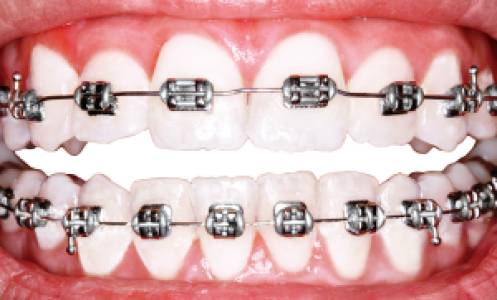
# Transform Your Smile: The Comprehensive Guide to Braces Are you dreaming of a perfectly aligned smile, improved oral health, and boosted confidence? Braces are a tried-and-true orthodontic solution designed to correct a wide range of dental and jaw alignment issues, guiding your teeth into their ideal positions over time. --- ## What Are Braces? Braces are fixed orthodontic appliances used to correct malocclusion (improper bite) and misaligned teeth. They consist of brackets, wires, and sometimes bands, which work together to apply gentle, continuous pressure, gradually moving teeth into their desired positions. Modern braces are more comfortable and discreet than ever before, making them an excellent choice for patients of all ages. --- ## Key Benefits of Braces Investing in braces offers a multitude of advantages beyond just aesthetics: * **Achieve a Beautifully Aligned Smile:** Straighten crooked teeth, close gaps, and correct overcrowding for a harmonious, confident smile. * **Improve Oral Health:** Properly aligned teeth are easier to brush and floss, reducing the risk of plaque buildup, cavities, and gum disease. * **Correct Bite Issues:** Address overbites, underbites, crossbites, and open bites, which can contribute to uneven tooth wear, chewing difficulties, and jaw pain (TMJ disorders). * **Enhance Chewing and Speech:** A correctly aligned bite can improve the efficiency of chewing food and clarify speech patterns. * **Boost Self-Confidence:** A radiant, straight smile can significantly improve self-esteem and social interactions. * **Long-Term Dental Health:** By correcting underlying issues, braces help prevent future dental problems and ensure the longevity of your natural teeth. --- ## Types of Braces Today, patients have several effective options when it comes to braces: ### 1. Traditional Metal Braces * **Description:** The most common type, made from high-grade stainless steel. They consist of metal brackets glued to the front of each tooth, connected by archwires that are held in place by elastic ties (ligatures). * **Pros:** Highly effective for complex cases, durable, generally the most affordable option. * **Cons:** Most visible type of brace. ### 2. Ceramic Braces * **Description:** Similar in design to metal braces, but the brackets are made from translucent or tooth-colored ceramic material, blending in with your natural tooth shade. * **Pros:** Much less noticeable than metal braces, making them a popular choice for adults and older teens concerned about aesthetics. * **Cons:** Can be more fragile than metal braces, may stain if not cared for properly (especially with coffee, tea, red wine, etc.), potentially slightly more expensive. ### 3. Self-Ligating Braces (Metal or Ceramic) * **Description:** These braces use a specialized clip or door mechanism to hold the archwire, eliminating the need for elastic ties. They can come in both metal and ceramic varieties. * **Pros:** May result in fewer and quicker adjustment appointments, potentially less friction on the teeth. * **Cons:** Can be more expensive than traditional braces. ### 4. Lingual Braces * **Description:** These are entirely customized brackets and wires placed on the *inside* (lingual side) of your teeth, making them virtually invisible from the outside. * **Pros:** Completely discreet and aesthetically pleasing. * **Cons:** Can be more expensive and complex to place, may initially affect speech more than other types, require meticulous cleaning, and adjustments can take longer. --- ## Who Needs Braces? (Common Indications) Braces are suitable for correcting a wide range of orthodontic issues, including but not limited to: * **Crowding:** Not enough space for all teeth to erupt properly. * **Spacing/Gaps:** Gaps between teeth. * **Overbite (Deep Bite):** Upper front teeth significantly overlap the lower front teeth. * **Underbite:** Lower front teeth extend out beyond the upper front teeth. * **Crossbite:** Upper teeth bite inside the lower teeth. * **Open Bite:** A space between the upper and lower front teeth when the mouth is closed. * **Misplaced Midline:** The center of your upper front teeth does not align with the center of your lower front teeth. --- ## The Treatment Process (Overview) 1. **Initial Consultation:** A thorough examination, including X-rays and digital scans, to assess your specific needs and determine the best treatment plan. 2. **Braces Placement:** Brackets are bonded to your teeth, and the archwires are threaded through them. This appointment is typically painless. 3. **Regular Adjustments:** You'll visit your orthodontist periodically (usually every 4-8 weeks) for adjustments, where wires may be tightened, changed, or elastic bands added to continue moving your teeth. 4. **Braces Removal:** Once your teeth have reached their optimal positions, the braces are removed. 5. **Retention Phase:** This crucial phase involves wearing a retainer (fixed or removable) to maintain your new smile and prevent teeth from shifting back. --- ## Caring for Your Braces Proper care is essential throughout your treatment: * **Oral Hygiene:** Brush after every meal and floss daily using special orthodontic floss or tools. * **Dietary Restrictions:** Avoid hard, sticky, and chewy foods that can damage brackets or wires (e.g., nuts, popcorn, caramel, chewing gum). * **Regular Check-ups:** Continue with your regular dental cleanings and check-ups in addition to your orthodontic appointments. * **Protective Gear:** If you play sports, wear a custom mouthguard to protect your braces and teeth. --- ## Your Journey to a Radiant Smile Starts Here! Braces are a proven, effective path to a healthier, more beautiful smile that lasts a lifetime. If you're ready to explore how braces can transform your oral health and confidence, contact us today to schedule your personalized consultation. Our experienced orthodontic team is dedicated to providing you with comfortable, high-quality care every step of the way. --- **Disclaimer:** This product description provides general information. The best type of braces and treatment plan for you can only be determined by a qualified orthodontist after a thorough examination and diagnosis.