Description
Here's a detailed product description for Root Canal Therapy, formatted in Markdown:
Root Canal Therapy: Restore Health, Save Your Natural Tooth & End Pain
Are you experiencing persistent tooth pain, sensitivity, or a swollen gum? You might be a candidate for root canal therapy – a highly effective and common dental procedure designed to alleviate pain, eliminate infection, and save your natural tooth from extraction. At [Your Clinic Name], we specialize in gentle, precise, and patient-focused root canal treatment, helping you regain your oral health and comfortable smile.
What is Root Canal Therapy?
Root canal therapy, also known as endodontic treatment, is a procedure to remove infected or damaged pulp from inside a tooth. The pulp is the soft tissue located in the center of your tooth, containing nerves, blood vessels, and connective tissue. When the pulp becomes inflamed or infected due to deep decay, repeated dental procedures, cracks, or trauma, it can cause severe pain and lead to an abscess if left untreated.
During a root canal, the inflamed or infected pulp is carefully removed, the inside of the tooth is thoroughly cleaned and disinfected, and then it's filled and sealed. Finally, the tooth is restored with a filling or crown to protect it and return it to full function.
Key Benefits of Root Canal Therapy
- Pain Relief: The primary benefit is the immediate and lasting relief from the severe pain caused by an infected tooth.
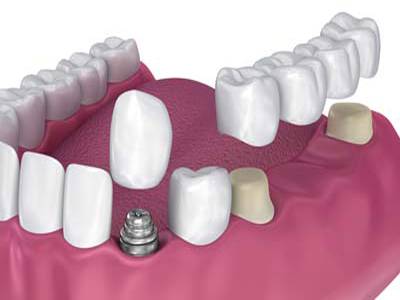
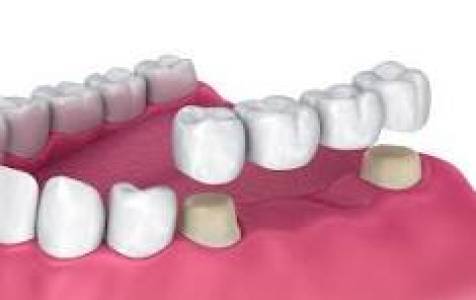
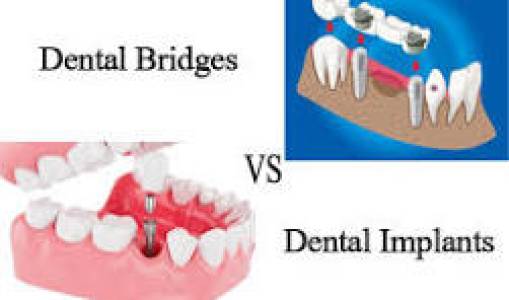
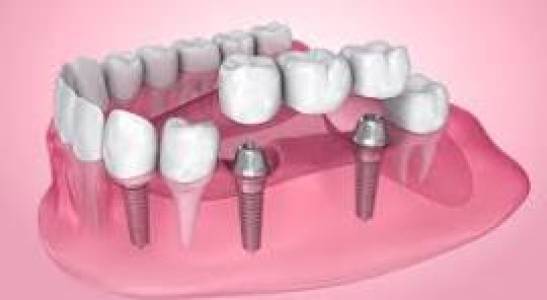
- Tooth Preservation: It allows you to keep your natural tooth, avoiding the need for extraction and subsequent bridge, implant, or partial denture.
- Prevents Spread of Infection: By removing the infected pulp, the procedure stops the infection from spreading to other teeth, gums, or even into the bloodstream.
- Maintains Natural Appearance: Keeping your natural tooth preserves your smile's aesthetics and avoids the gaps or changes in bite that can occur with tooth loss.
- Cost-Effective Long-Term: While an investment, saving a natural tooth is often more cost-effective over time than extracting it and replacing it with an artificial one.
- High Success Rate: With proper care, a treated tooth can last a lifetime.
When is Root Canal Therapy Needed?
You might require root canal therapy if you experience any of the following symptoms:
- Persistent Sensitivity: Prolonged sensitivity to hot or cold temperatures, even after the stimulus is removed.
- Severe Toothache: Spontaneous pain or pain when chewing or applying pressure.
- Gum Swelling or Tenderness: Swollen, tender gums near the affected tooth.
- Pimple on the Gums (Fistula): A recurring pimple-like lesion on the gums, which indicates pus drainage from an infection.
- Darkening of the Tooth: Discoloration of the tooth, indicating nerve damage.
- Deep Decay or Injury: A tooth with a deep cavity or that has suffered trauma, even without immediate pain, may have infected pulp.
The Root Canal Process: What to Expect
Our team prioritizes your comfort throughout the procedure. Here's a simplified overview of the steps involved:
- Diagnosis & Anesthesia: We start with a thorough examination, including X-rays, to assess the extent of the infection. The tooth and surrounding area will be completely numbed using local anesthesia, ensuring a pain-free experience.
- Access Opening: A small opening is made in the crown of the tooth to access the pulp chamber and root canals.
- Pulp Removal & Cleaning: Using specialized instruments, the infected or inflamed pulp is carefully removed from the pulp chamber and root canals. The canals are then meticulously cleaned, shaped, and disinfected.
- Filling & Sealing: The cleaned canals are filled with a biocompatible, rubber-like material called gutta-percha and sealed with a special adhesive to prevent reinfection.
- Restoration: A temporary filling is placed to seal the opening. In most cases, a permanent crown or filling will be placed in a subsequent visit to protect the tooth from future damage and restore its full function and appearance.
Why Choose [Your Clinic Name] for Your Root Canal?
- Experienced & Gentle Care: Our skilled dentists and endodontists have extensive experience in performing root canal therapy, using advanced techniques to ensure precision and comfort.
- Advanced Technology: We utilize state-of-the-art equipment, including digital X-rays and specialized magnification tools, for accurate diagnosis and efficient treatment.
- Patient Comfort Focus: We understand dental anxiety. Our team is dedicated to creating a relaxing environment, offering comfort options, and thoroughly explaining each step of the process.
- Personalized Treatment Plans: Every patient is unique. We provide tailored treatment plans based on your specific needs and oral health goals.
- Comprehensive Aftercare: We provide clear instructions for post-procedure care and follow-up to ensure optimal healing and long-term success.
Post-Treatment Care & Longevity
After your root canal, it's normal to experience some mild sensitivity for a few days, which can be managed with over-the-counter pain relievers. It's crucial to have the tooth permanently restored with a crown or permanent filling as recommended by your dentist to prevent fracture and reinfection. With good oral hygiene and regular dental check-ups, your root canal treated tooth can last a lifetime.
Common Questions About Root Canals
Q: Is root canal therapy painful? A: With modern anesthetics and techniques, the procedure itself is typically no more uncomfortable than having a filling placed. The goal is to relieve pain, not cause it.
Q: How long does a root canal take? A: A root canal can often be completed in one or two appointments, each lasting 60-90 minutes, depending on the complexity of the tooth's anatomy.
Q: How long does a root canal last? A: With proper care and a timely permanent restoration (like a crown), a root canal-treated tooth can last a lifetime.
Q: What are the alternatives to a root canal? A: The main alternative is tooth extraction. However, this then requires a replacement like a dental implant, bridge, or partial denture to prevent other teeth from shifting and to maintain chewing function. Root canal therapy is almost always the preferred option to save your natural tooth.
Ready to End Your Tooth Pain and Save Your Smile?
Don't let dental pain disrupt your life. If you're experiencing symptoms of an infected tooth or have been told you need a root canal, schedule a consultation with our experienced team at [Your Clinic Name] today. We're here to provide the gentle, effective care you need to restore your oral health.
Contact Us:
- Phone: [Your Clinic Phone Number]
- Email: [Your Clinic Email Address]
- Website: [Your Clinic Website]
- Address: [Your Clinic Address]
Disclaimer: This information is for educational purposes only and does not constitute medical advice. Please consult with a qualified dental professional for personalized diagnosis and treatment recommendations.