Description
Dental Braces: Achieve Your Perfect Smile & Optimal Oral Health
Are you dreaming of a straighter, healthier smile? Do misaligned teeth or bite issues affect your confidence or oral health? Dental braces are a time-tested, highly effective orthodontic solution designed to gently and progressively correct various dental irregularities, leading to beautifully aligned teeth and an optimized bite.
Investing in dental braces means investing in your long-term oral health, functionality, and the radiant smile you've always wanted.
Why Choose Dental Braces? The Benefits Extend Beyond Aesthetics
While a stunning smile is a primary outcome, the advantages of orthodontic treatment with braces are far-reaching:
- Enhanced Confidence & Appearance: Achieve a symmetrical, aesthetically pleasing smile that boosts self-esteem and positively impacts personal and professional interactions.
- Improved Oral Hygiene: Straight teeth are easier to brush and floss, significantly reducing areas where food particles and plaque can accumulate. This lowers your risk of cavities, gum disease, and bad breath.
- Optimal Chewing Function: Correcting bite issues (like overbites, underbites, or crossbites) improves the way your upper and lower teeth meet, leading to more efficient chewing and better digestion.
- Reduced Risk of Jaw Pain & Wear: Proper bite alignment can alleviate stress on the temporomandibular joint (TMJ), potentially reducing headaches, jaw pain, and uneven wear on tooth enamel caused by an improper bite.
- Clearer Speech: In some cases, misaligned teeth can affect speech patterns. Braces can help improve articulation and clarity of speech.
- Long-Term Oral Health Investment: By addressing underlying alignment issues, braces help prevent future dental problems and ensure the longevity of your natural teeth.
How Do Braces Work?
Dental braces work by applying continuous, gentle pressure over a period of time to gradually shift teeth into their correct positions. This process involves:
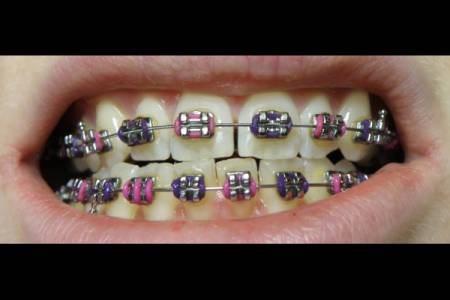
- Brackets: Small, square-shaped pieces typically made of metal or ceramic, bonded directly to the front surface of each tooth.
- Archwire: A thin, flexible metal wire that connects all the brackets. The orthodontist meticulously shapes this wire to guide the teeth.
- Ligatures/Elastics: Tiny rubber bands (or built-in clips for self-ligating braces) that hold the archwire into the brackets, transmitting the guiding force to the teeth.
- Bands (Optional): In some cases, metal bands may be placed around the back molars for extra anchorage.
Through regular adjustments, your orthodontist will reshape the archwire and change elastics, continually guiding your teeth toward their ideal alignment.
Types of Dental Braces: A Solution for Every Need
Today's orthodontic options offer a variety of choices to suit different lifestyles, aesthetic preferences, and budgets:
1. Traditional Metal Braces
- Description: The most common and recognizable type, made from high-grade stainless steel. Modern metal braces are smaller, sleeker, and more comfortable than ever before.
- Pros: Highly durable, effective for complex cases, most cost-effective option, can be customized with colored elastic ties.
- Cons: Most visible type of braces.
2. Ceramic Braces
- Description: Similar in size and shape to metal braces, but made from translucent or tooth-colored ceramic material, blending in with your natural teeth.
- Pros: Much less noticeable than metal braces, aesthetically pleasing.
- Cons: Can be more fragile than metal braces, may stain if not cared for properly, typically more expensive.
3. Self-Ligating Braces (Metal or Ceramic)
- Description: These braces utilize a specialized clip or door mechanism to hold the archwire, eliminating the need for elastic ligatures. Available in both metal and ceramic versions.
- Pros: Potentially faster treatment times, fewer and quicker adjustment appointments, may offer more comfort due to reduced friction.
- Cons: Can be slightly larger than traditional brackets, generally a higher cost than traditional metal braces.
4. Lingual Braces
- Description: Custom-made braces that are placed on the inside (tongue side) of the teeth, making them virtually invisible from the outside.
- Pros: Completely discreet and aesthetically superior, ideal for adults who want invisible treatment.
- Cons: More expensive and complex to place, may cause initial discomfort to the tongue, can affect speech temporarily, limited availability (requires specialized orthodontists).
Who Can Benefit from Dental Braces?
Dental braces are an effective treatment for a wide range of orthodontic issues in both children, teenagers, and adults:
- Overcrowding: Teeth that are too close together.
- Gaps: Spaces between teeth.
- Overbite: Upper front teeth significantly overlap the lower front teeth.
- Underbite: Lower front teeth extend beyond the upper front teeth.
- Crossbite: Some upper teeth sit inside the lower teeth when the mouth is closed.
- Open Bite: A gap between the upper and lower front teeth when the mouth is closed.
- Protruding Teeth: Front teeth that stick out.
- Speech Difficulties: Caused by poor tooth alignment.
The Orthodontic Journey: What to Expect
Your path to a perfect smile with dental braces typically involves several key stages:
- Initial Consultation & Diagnostic Records: Your orthodontist will perform a comprehensive examination, take X-rays, 3D scans, and photos to assess your unique needs and create a personalized treatment plan.
- Braces Placement: The brackets are bonded to your teeth, and the archwires and ligatures (or clips) are put in place. This is a painless procedure.
- Regular Adjustments: You'll visit your orthodontist every 4-8 weeks for adjustments. During these appointments, the wires are tightened or changed to continue moving your teeth.
- Braces Removal: Once your teeth are in their desired positions, the braces are carefully removed. This is also a painless process, though your teeth may feel a little sensitive initially.
- Retention Phase: This is a critical stage! After braces, a custom retainer (removable or fixed) will be provided to hold your teeth in their new positions and prevent them from shifting back. Consistent retainer wear is essential for long-term success.
Caring for Your Braces: Maintenance & Lifestyle
Proper care is crucial for successful treatment and maintaining oral health during your orthodontic journey:
- Diligent Oral Hygiene: Brush after every meal using a soft-bristled toothbrush and fluoride toothpaste. Use interdental brushes, floss threaders, or a water flosser to clean around brackets and under wires.
- Dietary Adjustments: Avoid hard, sticky, or chewy foods that can damage brackets or wires (e.g., hard candies, nuts, popcorn, gum, caramel, whole apples, corn on the cob).
- Regular Dental Check-ups: Continue with your general dentist for routine cleanings and check-ups during your orthodontic treatment.
- Emergency Care: Know who to contact if a wire breaks, a bracket comes loose, or you experience significant discomfort.
Your Investment in a Brighter Future
The duration of treatment varies, typically ranging from 12 to 36 months, depending on the complexity of your case. While the initial discomfort from adjustments is normal, it's temporary and manageable.
The cost of dental braces is an investment in your health and confidence, varying based on the type of braces chosen, treatment duration, and individual needs. Many orthodontic practices offer flexible payment plans to make treatment accessible.
Ready to Transform Your Smile?
Don't let misaligned teeth hold you back from the smile you deserve and the oral health you need. Schedule a consultation with a qualified orthodontist today to discuss your options and determine if dental braces are the right solution for you.
Together, we can embark on a journey towards a healthier, more confident, and radiant you!
Disclaimer: Individual treatment results and experiences may vary. Always consult with a qualified orthodontist or dental professional to determine the best course of treatment for your specific needs.