Description
Comprehensive Root Canal Treatment (Endodontics)
Rediscover Comfort & Preserve Your Natural Smile
Suffering from persistent tooth pain, sensitivity, or swelling? Don't let an infected tooth compromise your oral health or necessitate extraction. Our advanced Root Canal Treatment (RCT), also known as Endodontics, offers a highly effective and comfortable solution to save your natural tooth, alleviate pain, and restore your oral health.
What is Root Canal Treatment?
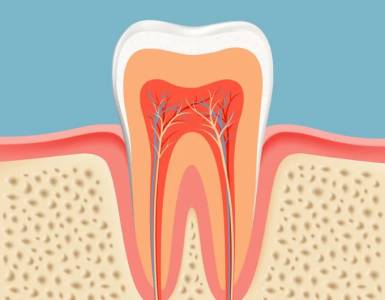
Root Canal Treatment is a sophisticated dental procedure designed to remove infected or inflamed pulp – the soft tissue inside your tooth containing nerves and blood vessels. By meticulously cleaning, disinfecting, shaping, and then filling the root canals, we eliminate infection, alleviate pain, and prevent further damage. This preserves your tooth's structure and function, allowing it to remain a healthy, integral part of your smile for many years.
When is Root Canal Treatment Necessary?
You might require a root canal if you experience any of the following symptoms, indicating deep infection or damage to the tooth's pulp:
- Severe toothache: Persistent pain upon chewing or application of pressure.
- Prolonged sensitivity: Lingering sensitivity to hot or cold temperatures (even after the source is removed).
- Tooth discoloration: Darkening of the tooth.
- Gum swelling: Swelling and tenderness in the surrounding gums.
- Pimple-like bump: A persistent or recurring "pimple" on the gums (dental abscess).
- Deep decay or trauma: An injury or deep cavity that has reached the pulp.
The Benefits of Choosing Root Canal Treatment:
- Exceptional Pain Relief: Eliminates the excruciating pain caused by infected and inflamed pulp.
- Tooth Preservation: Saves your natural tooth, preventing the need for extraction and maintaining your natural bite.
- Prevents Infection Spread: Stops bacteria from spreading to other teeth, gums, or into your jawbone.
- Restores Oral Function: Allows you to chew, speak, and smile comfortably and confidently again.
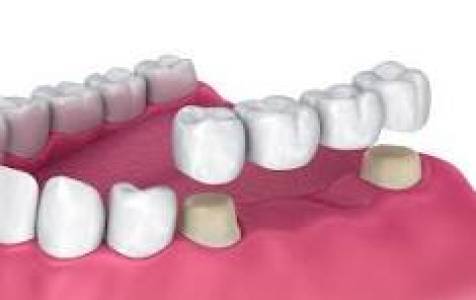
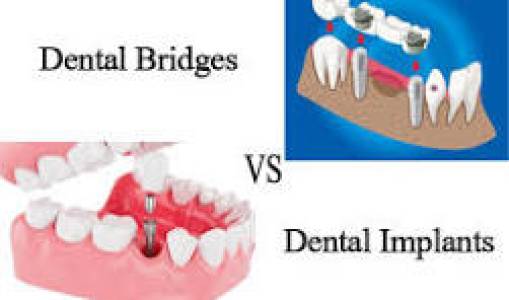
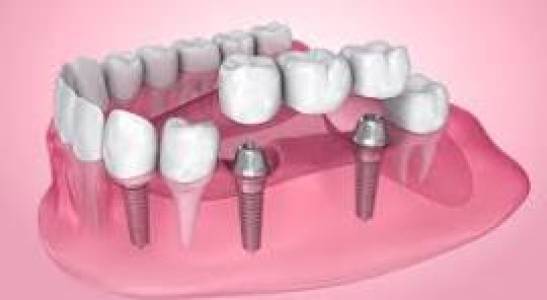
- Maintains Natural Appearance: Keeps your natural tooth in place, avoiding gaps or the need for prosthetics like bridges or implants (though a crown is often recommended for protection).
- Cost-Effective Long-Term: Often more economical than extraction followed by a bridge or implant to replace the missing tooth.
Our Meticulous Root Canal Process:
Our skilled endodontists follow a precise, patient-focused protocol to ensure the highest success rates and maximum comfort:
- Comprehensive Diagnosis & X-ray: We begin with a thorough examination and digital X-rays to accurately assess the extent of infection, evaluate the root canal anatomy, and plan your personalized treatment.
- Effective Anesthesia: Local anesthetic is meticulously administered to ensure the affected tooth and surrounding area are completely numb, guaranteeing a virtually pain-free procedure.
- Dental Dam Isolation: A thin, protective sheet (dental dam) is placed around the tooth to keep it dry and free from saliva and bacteria throughout the treatment, ensuring a sterile environment.
- Access Opening: A small, precise opening is made in the crown of the tooth to gain access to the pulp chamber and the intricate root canals.
- Pulp Removal & Cleaning: The infected or damaged pulp is carefully removed. The canals are then meticulously cleaned, disinfected, and shaped using advanced rotary endodontic instruments, preparing them for filling.
- Filling (Obturation): Once thoroughly cleaned and shaped, the canals are filled with a biocompatible, rubber-like material called gutta-percha, which is sealed with an adhesive cement to prevent re-infection.
- Temporary Restoration: A temporary filling is placed to seal the access opening, protecting the tooth until a permanent restoration can be applied.
- Permanent Restoration: In most cases, a dental crown or a permanent filling is highly recommended after an RCT. This crucial step protects the treated tooth from fracture and restores its full strength, function, and aesthetic appeal.
What to Expect After Your Root Canal:
- Initial Sensitivity: It's normal to experience some mild sensitivity or discomfort for a few days after the procedure, which can be effectively managed with over-the-counter pain relievers.
- Avoid Chewing: We recommend avoiding chewing on the treated tooth until your permanent restoration (crown or filling) is in place to prevent any damage.
- Follow-Up: A follow-up appointment will be scheduled for your permanent crown or filling to complete the treatment.
- Long-Term Success: With proper oral hygiene, regular dental check-ups, and the placement of a permanent restoration, your treated tooth can last a lifetime.
Why Choose Us for Your Endodontic Care?
- Experienced Endodontists: Our team comprises highly trained and experienced specialists dedicated to complex root canal therapy.
- Advanced Technology: We utilize state-of-the-art equipment, including digital X-rays, rotary endodontics, and apex locators, for precise, efficient, and successful treatments.
- Unwavering Patient Comfort: We prioritize your comfort with gentle techniques, effective anesthesia, and a calming, supportive environment.
- Sterile Environment: Adherence to the highest standards of sterilization and hygiene ensures your safety and well-being.
- Personalized Care: Each treatment plan is meticulously tailored to your unique needs, oral health goals, and overall well-being.
Don't Let Pain Rule Your Life!
If you suspect you may need a root canal, or are experiencing severe tooth pain, don't delay. Contact us today to schedule a comprehensive consultation and take the first step towards a pain-free, healthy smile.
[Your Clinic Name/Website] [Your Phone Number] [Your Email Address] [Your Clinic Address]
Disclaimer: This information is for general educational purposes only and should not be considered as medical advice. Always consult with a qualified dental professional for diagnosis and personalized treatment recommendations.