Description
Root Canal Treatment (RCT): Save Your Natural Smile & Relieve Pain
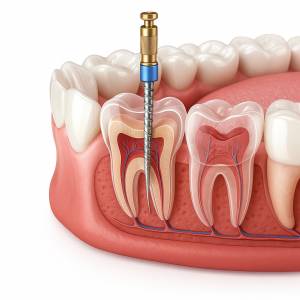
Root Canal Treatment (RCT), also known as endodontic treatment, is a highly effective and common dental procedure designed to save a tooth that has become infected or severely damaged. When the soft tissue inside your tooth (the pulp) – which contains nerves, blood vessels, and connective tissue – becomes inflamed or infected, RCT offers a vital solution to relieve pain, eliminate infection, and preserve your natural tooth structure, preventing the need for extraction.
Why Choose RCT? The Key Benefits
Opting for a root canal can offer numerous significant advantages for your oral health and overall well-being:
- Eliminates Pain & Discomfort: Effectively treats the source of your severe toothache, providing lasting relief from nerve irritation and infection.
- Saves Your Natural Tooth: Preserves your original tooth, allowing you to maintain your natural bite, chewing function, and preventing the cascade of issues that can arise from tooth loss (like shifting adjacent teeth or bone loss).
- Prevents Further Infection: Removes bacteria and infected tissue, stopping the spread of infection to other teeth, your gums, or your jawbone.
- Restores Oral Function: Allows you to chew and speak normally without pain or sensitivity, improving your quality of life.
- Maintains Aesthetics: Keeps your natural smile intact, as the treated tooth remains in place and is typically restored with a natural-looking crown.
- Highly Predictable & Long-Lasting: With proper care and a final restoration (like a crown), an RCT-treated tooth can function effectively for many years, often a lifetime.
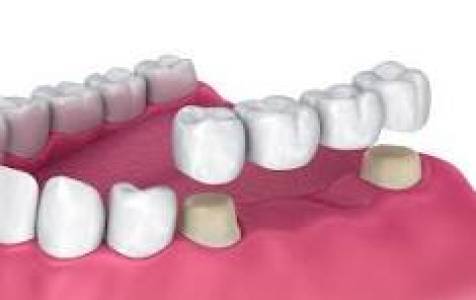
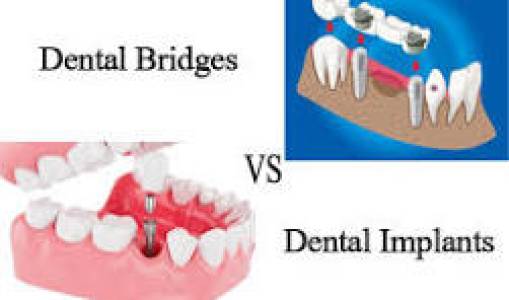
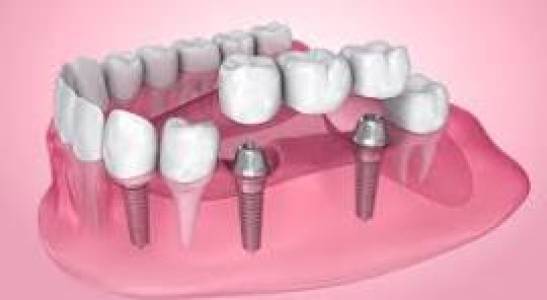
- Cost-Effective Long-Term: While an initial investment, saving your natural tooth through RCT is often more cost-effective over time than replacing an extracted tooth with a bridge or dental implant.
When is Root Canal Treatment Recommended?
You might be a candidate for RCT if you experience any of the following symptoms, indicating a potential infection or inflammation of the tooth pulp:
- Persistent Toothache: Especially pain that is severe, throbbing, wakes you up at night, or radiates to your jaw, ear, or head.
- Prolonged Sensitivity: Sensitivity to hot or cold temperatures that lingers long after the stimulus is removed.
- Swelling & Tenderness: Swelling in the gums around the affected tooth, or tenderness when chewing, biting, or touching the tooth.
- Pimple on the Gums: A recurring "pimple" or lesion on the gum near the painful tooth, which indicates an active infection (abscess) draining.
- Deep Decay or Injury: Extensive decay that has reached the pulp, or a tooth that has been fractured, chipped, or experienced significant trauma, exposing the pulp.
- Discoloration of the Tooth: A darkening or grayish discoloration of the tooth, which can indicate nerve damage or death.
- Pain Upon Pressure: Discomfort when biting down or applying pressure to the tooth.
Understanding the RCT Procedure: What to Expect
Modern Root Canal Treatment is a precise and often comfortable procedure, typically completed in one or two appointments. Here's a general overview of the steps involved:
- Diagnosis & Anesthesia: Your dentist will confirm the need for RCT using thorough clinical examination, X-rays, and possibly vitality tests. Local anesthesia is administered to ensure you are completely numb and comfortable throughout the entire procedure.
- Access Opening: A small opening is carefully made in the crown of the tooth to access the pulp chamber and the root canals within.
- Cleaning & Shaping: Tiny, flexible instruments (endodontic files) are meticulously used to remove the infected or inflamed pulp tissue from the root canals. The canals are then thoroughly cleaned, disinfected with antimicrobial solutions, and shaped to prepare them for filling.
- Filling (Obturation): Once the canals are clean and dry, they are filled with a biocompatible, rubber-like material called gutta-percha, along with an adhesive sealer, to prevent re-infection.
- Restoration: A temporary filling is placed in the access opening to seal the tooth until your next appointment. In most cases, a permanent crown or a substantial filling will be recommended by your dentist in a subsequent visit. This final restoration is crucial to protect the treated tooth from future fracture, restore its full function, and achieve a natural appearance.
After Your Root Canal: Post-Treatment Care
- Avoid chewing on the treated tooth until the final restoration (crown or permanent filling) is placed to prevent fracture.
- Maintain excellent oral hygiene by brushing and flossing regularly.
- Attend your follow-up appointments as scheduled for the placement of your permanent restoration.
- Report any unusual symptoms such as persistent pain, swelling, or sensitivity to your dentist immediately, though complications are rare.
- While the nerve is removed, the tooth structure remains, so it can still be susceptible to decay. Continue with regular dental check-ups and cleanings.
The Modern RCT Experience: Comfort & Precision
Gone are the days when root canals were synonymous with prolonged discomfort. Thanks to significant advancements in dental technology, highly effective local anesthetics, and refined techniques, modern RCT is often no more uncomfortable than a routine dental filling. Our skilled dental team utilizes state-of-the-art equipment, including advanced imaging, rotary instruments, and meticulous sterilization protocols, to ensure a safe, efficient, and comfortable experience, prioritizing your comfort at every step.
Don't Delay, Seek Relief Today!
If you are experiencing symptoms of a tooth infection or severe pain, don't wait. Early diagnosis and treatment can save your tooth, prevent more complex issues, and quickly restore your comfort and oral health.
Contact us today to schedule a consultation and let our experienced dental team help you regain your oral health, preserve your natural smile, and live pain-free.