Description
Professional Tooth Extraction Service
Overview
Tooth extraction is a common dental procedure performed to remove a tooth that is severely damaged, diseased, or problematic and cannot be saved through other treatments like fillings or root canals. While our primary goal is always to preserve your natural teeth, extraction becomes a necessary and often beneficial solution for alleviating pain, preventing the spread of infection, and maintaining overall oral health.
Our compassionate and experienced dental team utilizes advanced techniques and equipment to ensure your tooth extraction is as comfortable, safe, and efficient as possible, prioritizing your well-being throughout the entire process.
Key Features & Benefits
- Pain Relief: Eliminates the source of severe toothache, chronic pain, and discomfort.
- Infection Control: Removes infected teeth, preventing the spread of bacteria to other teeth, gums, or even into the bloodstream.
- Prevention of Further Damage: Stops decay or disease from affecting adjacent healthy teeth and bone structure.
- Improved Oral Health: Contributes to a healthier oral environment, often paving the way for restorative treatments.
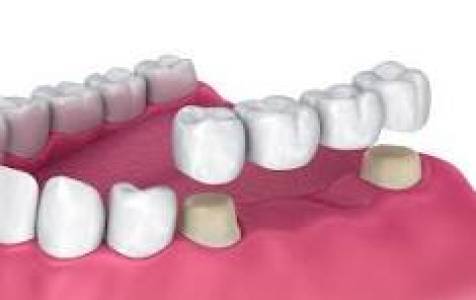
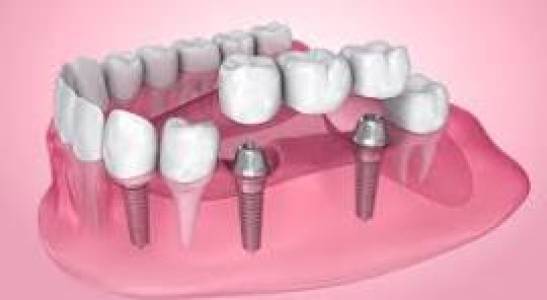
- Preparation for Restorative Options: Creates space for orthodontic treatment, dental implants, bridges, or dentures.
- Comfort-Focused Approach: Utilizing local anesthetics and offering sedation options to ensure a calm and pain-free experience.
- Expert Care: Performed by skilled dentists and oral surgeons trained in precise, gentle extraction techniques.
Indications for Tooth Extraction (Who is this for?)
You may require a tooth extraction if you experience or have conditions such as:
- Severe Tooth Decay: When a cavity is too deep and extensive to be repaired with a filling or crown.
- Advanced Periodontal Disease (Gum Disease): Leading to significant bone loss around the tooth, making it loose and unstable.
- Impacted Teeth: Most commonly wisdom teeth that fail to erupt properly, causing pain, infection, or damage to adjacent teeth.
- Crowding: To create space for orthodontic treatment (braces) and allow other teeth to align correctly.
- Trauma or Fracture: A tooth that has been severely broken or fractured beyond repair.
- Failed Root Canal Treatment: If a previous root canal has failed and re-treatment is not viable.
- Infection Risk: For patients undergoing organ transplants or chemotherapy, an infected tooth might be extracted to eliminate potential sources of infection.
The Procedure: What to Expect
- Comprehensive Examination & Diagnosis:
- Your dentist will conduct a thorough oral examination and take digital X-rays to assess the tooth's condition, its roots, and the surrounding bone structure.
- A personalized treatment plan will be discussed, explaining the necessity, procedure, and expected outcome.
- Anesthesia & Comfort:
- Local anesthetic will be administered to thoroughly numb the tooth and surrounding tissues, ensuring you feel no pain during the extraction.
- For patients with anxiety or complex cases, sedation options (nitrous oxide, oral sedation, or IV sedation) may be available to promote relaxation and comfort.
- The Extraction:
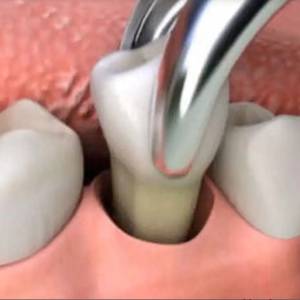
- Simple Extraction: If the tooth is visible above the gum line and has a relatively straight root, the dentist will carefully loosen it using specialized instruments and then gently remove it.
- Surgical Extraction: For impacted teeth, broken teeth, or those with complex roots, a small incision in the gum may be necessary. In some cases, the tooth might be sectioned into smaller pieces for easier removal.
- Our team prioritizes a gentle touch and efficient technique throughout the process.
- Post-Extraction Care:
- After removal, the socket will be cleaned, and a sterile gauze pad will be placed to encourage clot formation and control bleeding.
- Detailed verbal and written aftercare instructions will be provided to guide you through the healing process.
Aftercare & Recovery
Proper aftercare is crucial for a smooth recovery and to prevent complications like dry socket. We will provide specific instructions, which typically include:
- Bleeding Control: Biting gently on gauze for 30-60 minutes.
- Pain Management: Over-the-counter pain relievers or prescription medication as needed.
- Swelling Reduction: Applying an ice pack to the cheek for the first 24-48 hours.
- Diet: Sticking to soft foods and liquids for the first few days.
- Oral Hygiene: Gently rinsing with salt water after 24 hours (avoid vigorous rinsing). Avoid brushing the extraction site directly.
- Activity: Resting and avoiding strenuous activity for 24-48 hours.
- Avoid: Smoking, drinking through a straw, spitting forcefully, and consuming alcohol, as these can dislodge the blood clot and lead to dry socket.
- Follow-up: A follow-up appointment may be scheduled to ensure proper healing.
Important Considerations & Disclaimer
- Potential Complications: While rare, complications such as dry socket, infection, nerve damage, or persistent bleeding can occur. Our team will discuss these risks with you beforehand.
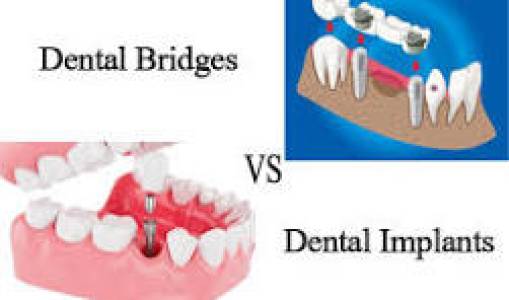
- Replacement Options: After an extraction, especially for visible teeth, we will discuss options for replacing the missing tooth, such as dental implants, bridges, or partial dentures, to maintain your bite, function, and aesthetics.
- Individual Results Vary: Healing times and experiences can differ from person to person.
This product description is for informational purposes only and does not constitute medical advice. Always consult with a qualified dental professional to determine the best course of treatment for your individual needs.
Don't Let Dental Pain Disrupt Your Life!
If you're experiencing dental pain, suspect you might need an extraction, or simply want to understand your options, our team is here to help.
Contact us today to schedule a comprehensive consultation and take the first step towards a healthier, pain-free smile.