Description
Root Canal Therapy: Save Your Smile, End Your Pain
Don't let a compromised tooth dictate your comfort or compromise your oral health. Root Canal Therapy is a highly effective and common dental procedure designed to save a tooth that has been severely damaged, infected, or inflamed deep within its core. Far from the fearful reputation of the past, modern root canal treatments are performed with advanced techniques, ensuring your comfort and preserving your natural tooth for years to come.
What is Root Canal Therapy?
At the center of every tooth lies the dental pulp – a soft tissue containing nerves, blood vessels, and connective tissue. When this pulp becomes infected or inflamed due to deep decay, repeated dental procedures, a crack or chip in the tooth, or trauma, it can cause significant pain and lead to an abscess if left untreated.
Root Canal Therapy (Endodontic Treatment) involves carefully removing the infected or inflamed pulp, thoroughly cleaning and disinfecting the inside of the tooth, and then filling and sealing it to prevent further infection. This procedure allows us to save the natural tooth, eliminating pain and preventing the need for extraction.
Why Might You Need a Root Canal?
You may require root canal therapy if you experience any of the following symptoms or conditions:
- Severe Toothache Pain: Especially when chewing or applying pressure.
- Prolonged Sensitivity: To hot or cold temperatures, even after the source is removed.
- Swelling and Tenderness: In the surrounding gums or face.
- Pimple-like Bump (Fistula): On the gums near the affected tooth.
- Tooth Discoloration: Darkening of the tooth.
- Deep Decay: Extending into the pulp chamber.
- Trauma: A chip, crack, or injury to the tooth.
Key Benefits of Root Canal Therapy
Opting for root canal therapy offers numerous advantages:
- Eliminates Pain: The primary benefit is the immediate relief from the severe pain caused by an infected or inflamed pulp.
- Saves Your Natural Tooth: Preserves your original tooth, preventing the need for extraction and the subsequent complications of tooth loss.
- Prevents Spread of Infection: Stops the infection from spreading to other teeth, gums, or even into the jawbone.
- Restores Normal Function: Allows you to chew, bite, and speak naturally and comfortably.
- Maintains Aesthetics: Keeps your natural smile intact, especially when followed by a restorative crown that matches your other teeth.
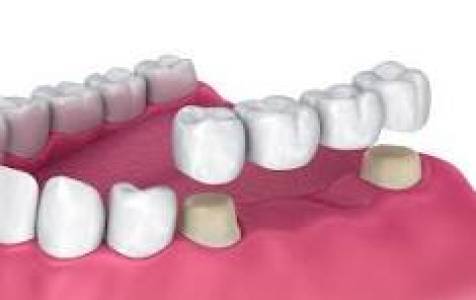
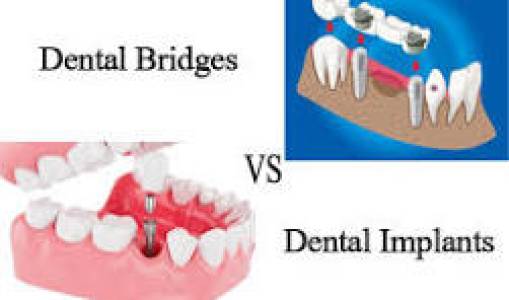
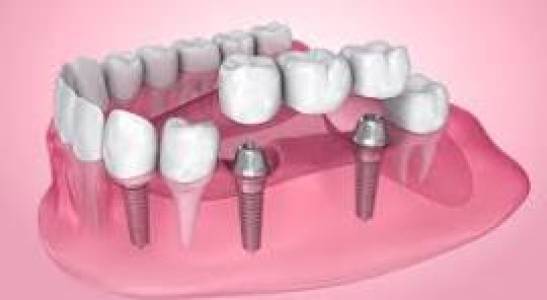
- Cost-Effective: Often more economical in the long run than extracting the tooth and replacing it with an implant or bridge.
The Root Canal Procedure: What to Expect
Modern root canal therapy is often completed in one or two appointments, depending on the severity of the infection and complexity of the case.
1. Diagnosis & Anesthesia
- Examination: Your dentist will examine the tooth and take X-rays to assess the extent of the damage.
- Numbing: Local anesthesia is administered to numb the affected tooth and surrounding area, ensuring a pain-free experience.
2. Access & Isolation
- Rubber Dam: A small protective sheet called a "rubber dam" is placed around the tooth to keep it dry and free from saliva during the procedure, ensuring a sterile environment.
- Access Opening: A small opening is created in the crown of the tooth to access the pulp chamber and root canals.
3. Cleaning & Shaping
- Pulp Removal: Using specialized instruments, the infected or inflamed pulp is carefully removed from the pulp chamber and root canals.
- Disinfection: The root canals are thoroughly cleaned, disinfected, and shaped to prepare them for filling.
4. Filling & Sealing
- Gutta-Percha: The cleaned canals are filled with a biocompatible, rubber-like material called gutta-percha, often combined with an adhesive sealer.
- Temporary Filling: A temporary filling is placed in the access opening to protect the tooth until the permanent restoration.
5. Final Restoration (Crucial Step!)
- Permanent Crown/Filling: After the root canal is complete, a permanent crown or filling is typically placed on the treated tooth. This step is crucial to protect the tooth from future damage and restore its full function, as a root-canaled tooth can become more brittle over time.
Advanced Techniques for Your Comfort
We utilize state-of-the-art technology and techniques to make your root canal experience as comfortable and efficient as possible:
- Digital X-rays: Provide clear, immediate images with minimal radiation.
- Rotary Endodontics: Uses flexible, motorized instruments for faster, more precise cleaning and shaping of the canals.
- Apex Locators: Electronically measure the exact length of the root canals, ensuring thorough cleaning.
- Gentle Anesthesia Delivery: Techniques to ensure profound numbing with minimal discomfort.
Aftercare and Recovery
After your root canal therapy:
- Mild Discomfort: It's normal to experience some mild tenderness or sensitivity for a few days, especially when chewing. This can usually be managed with over-the-counter pain relievers.
- Avoid Chewing: Avoid chewing on the treated tooth until your permanent crown or filling is placed to prevent damage.
- Oral Hygiene: Continue your regular brushing and flossing routine.
- Follow-Up: Attend your follow-up appointment for the placement of your permanent restoration.
Who Performs Root Canal Therapy?
Root canal therapy can be performed by a general dentist, or in more complex cases, by an endodontist – a dental specialist who has undergone additional years of training specifically in diagnosing and treating problems with the tooth pulp and roots.
Don't Delay Treatment – Protect Your Oral Health!
If you are experiencing tooth pain or suspect you might need root canal therapy, don't wait. Early intervention can prevent further complications and improve your chances of saving the tooth.
Contact us today for a comprehensive consultation. Our experienced team will accurately diagnose your condition and discuss the best treatment options to restore your comfort and health. Let us help you keep your natural smile strong and pain-free.
Disclaimer: This product description is for informational purposes only and does not constitute medical advice. The information provided should not be used for diagnosing or treating a health problem or disease. Always consult with a qualified dental professional for any health concerns or before making any decisions related to your oral health.