Description
Dental Crowns: Restore Your Smile & Strength
Rediscover the confidence of a healthy, beautiful smile with our high-quality dental crowns. Designed to restore damaged teeth, enhance aesthetics, and improve oral function, a dental crown is a versatile and durable solution for a wide range of dental concerns.
What is a Dental Crown?
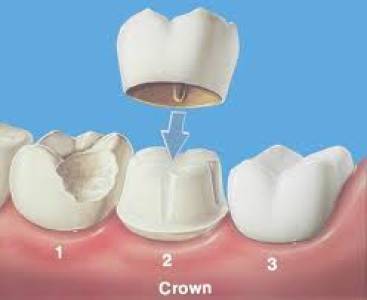
A dental crown, often referred to as a "cap," is a custom-made restoration that completely covers a damaged or weakened tooth above the gum line. Its purpose is to restore the tooth's original shape, size, strength, and appearance. Crowns are meticulously crafted to blend seamlessly with your natural teeth, providing both protective strength and aesthetic harmony.
Why Might You Need a Dental Crown?
Dental crowns are a highly effective treatment for various dental issues, including:
- Protect a weak tooth from fracturing or hold together parts of a cracked tooth.
- Restore a fractured tooth or a tooth that has been severely worn down.
- Cover and support a tooth with a large filling when there isn't enough natural tooth structure left.
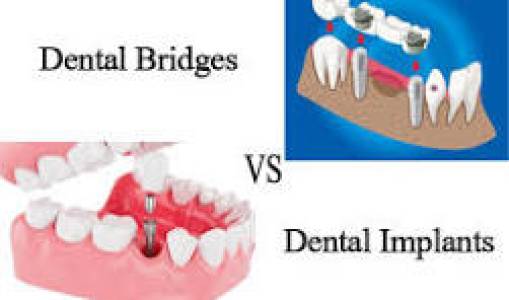
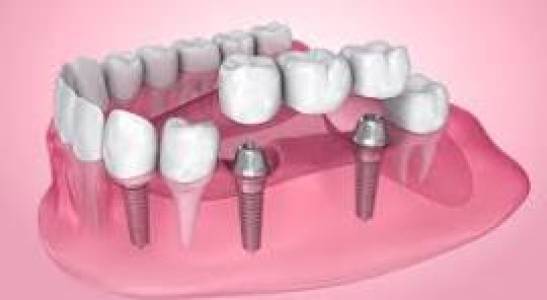
- Cover a dental implant to provide a tooth-like shape and structure for function.
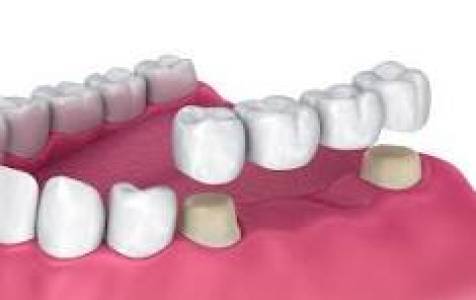
- Anchor a dental bridge to replace missing teeth.
- Cover misshapen or severely discolored teeth for cosmetic improvement.
- Protect a tooth after root canal treatment, as these teeth can become brittle.
Materials We Offer for Your Dental Crown
We utilize a range of advanced materials, each offering unique benefits in terms of aesthetics, strength, and biocompatibility. Our team will help you choose the best material for your specific needs and location in your mouth.
1. Porcelain/Ceramic Crowns
- Description: Made entirely of porcelain or ceramic, these crowns are renowned for their exceptional natural appearance, matching the translucency and color of your surrounding teeth.
- Benefits:
- Highly Aesthetic: Best choice for front teeth where natural appearance is crucial.
- Metal-Free: Ideal for patients with metal allergies.
- Biocompatible: Gentle on gums and oral tissues.
- Considerations: Can be slightly less durable than zirconia or PFM for posterior teeth, though modern ceramics are very strong.
2. Zirconia Crowns
- Description: Zirconia is an incredibly strong, durable, and biocompatible material that has gained immense popularity. It offers an excellent balance of strength and aesthetics.
- Benefits:
- Exceptional Strength: Highly resistant to fracture, ideal for back teeth that endure heavy chewing forces.
- Good Aesthetics: Can be color-matched to natural teeth, often with a translucent finish.
- Biocompatible: Metal-free and well-tolerated by the body.
- Long-lasting: Known for their impressive longevity.
- Considerations: Can be harder to adjust or polish if needed after placement.
3. E-max Crowns (Lithium Disilicate)
- Description: E-max is a premium, all-ceramic material known for its superior translucency and strength, making it a fantastic choice for both anterior and some posterior restorations.
- Benefits:
- Superior Aesthetics: Mimics the natural look of enamel with outstanding light transmission.
- High Strength: Stronger than traditional ceramic, suitable for many applications.
- Minimal Tooth Reduction: Can be made thinner, preserving more natural tooth structure.
- Considerations: While strong, may not be recommended for extremely high-stress bite situations compared to zirconia.
4. Porcelain Fused to Metal (PFM) Crowns
- Description: A traditional and reliable option, PFM crowns consist of a metal alloy base covered by a layer of porcelain.
- Benefits:
- Durable: The metal substructure provides excellent strength and longevity.
- Good Aesthetics: Porcelain layer can be matched to your natural teeth.
- Cost-Effective: Often a more economical choice compared to all-ceramic options.
- Considerations: A grey line may sometimes be visible at the gum line (especially as gums recede), and more tooth reduction may be required.
5. Gold & Metal Crowns (Full Cast)
- Description: Made from gold alloy or other non-precious metals, these crowns are known for their exceptional strength and biocompatibility.
- Benefits:
- Extreme Durability: Virtually unbreakable and highly resistant to wear.
- Minimal Tooth Reduction: Allows for conservative tooth preparation.
- Gentle on Opposing Teeth: Wears down at a similar rate to natural enamel.
- Biocompatible: Well-tolerated by oral tissues.
- Considerations: The metallic color is not aesthetically preferred for visible teeth. Primarily used for back molars.
The Crown Placement Process
The placement of a dental crown typically involves two appointments:
- Consultation & Examination: We begin with a thorough examination, including X-rays, to assess the tooth's health and determine if a crown is the right solution for you. We'll discuss your goals and material options.
- Tooth Preparation: The tooth receiving the crown is carefully shaped and reduced to create space for the crown to fit snugly and naturally. Any decay is removed at this stage.
- Impressions/Digital Scans: Precise impressions or digital scans of your prepared tooth and surrounding teeth are taken. These are sent to a dental laboratory where your custom crown will be fabricated.
- Temporary Crown Placement: A temporary crown is placed to protect the prepared tooth, prevent sensitivity, and maintain your bite while your permanent crown is being made.
- Crown Fabrication: Our skilled dental lab technicians meticulously craft your permanent crown, ensuring it matches your unique dental anatomy and aesthetic preferences. This process usually takes 1-2 weeks.
- Final Placement: Once your permanent crown arrives, you'll return for your second appointment. The temporary crown is removed, and the permanent crown is carefully checked for fit, bite, and aesthetics. Once perfected, it is permanently bonded to your tooth.
Benefits of Choosing a Dental Crown
- Enhanced Aesthetics: Restore the natural beauty and symmetry of your smile.
- Restored Function: Regain full chewing ability and speech clarity.
- Long-Lasting Protection: Shield damaged or weakened teeth from further decay or fracture.
- Improved Oral Health: Prevent further dental issues and support overall oral wellness.
- Boosted Confidence: Enjoy the peace of mind that comes with a strong, healthy, and beautiful smile.
Caring for Your New Crown
With proper care, your dental crown can last for many years:
- Maintain Excellent Oral Hygiene: Brush twice daily and floss once a day, paying special attention to the area around the crown and gum line.
- Regular Dental Check-ups: Continue with your routine dental examinations and cleanings.
- Avoid Hard & Sticky Foods: While crowns are strong, excessive force on nuts, hard candies, or sticky caramels can damage them, especially temporary crowns.
- Address Bruxism: If you grind or clench your teeth, consider a nightguard to protect your crown and natural teeth.
Frequently Asked Questions (FAQs)
Q: How long do dental crowns last? A: With proper care and good oral hygiene, dental crowns can last anywhere from 5 to 15 years, and often much longer. The lifespan depends on factors like material, oral habits, and the crown's location.
Q: Is the crown placement process painful? A: We use local anesthesia to ensure your comfort during the tooth preparation and placement process. You may experience some mild sensitivity or soreness after the procedure, which can be managed with over-the-counter pain relievers.
Q: Will my crown look natural? A: Absolutely. We use advanced materials and techniques to ensure your crown is custom-matched to the color, shape, and size of your existing teeth, blending seamlessly into your smile.
Q: How much does a dental crown cost? A: The cost of a dental crown varies depending on the material chosen, the complexity of the case, and your insurance coverage. We will provide a detailed estimate during your consultation and discuss your financial options.
Ready to Restore Your Smile?
Don't let damaged or unsightly teeth diminish your confidence. A dental crown can be the perfect solution to restore both the health and beauty of your smile.
Contact us today to schedule your comprehensive consultation and discover how a custom dental crown can benefit you!