Description
This detailed product description for "Post & Core" is designed for a dental supplier or manufacturer, highlighting the key aspects, benefits, and material options for dental professionals.
Post & Core System: The Foundation for Lasting Restorations
Restore severely compromised teeth with confidence. Our comprehensive Post & Core solutions provide unparalleled strength, stability, and predictability, ensuring the long-term success of your indirect restorations.
Introduction
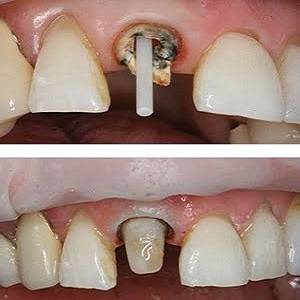
After extensive decay, trauma, or vital endodontic treatment, the remaining coronal tooth structure may be insufficient to retain a definitive indirect restoration such as a crown. A Post & Core restoration is a crucial restorative procedure designed to rebuild a strong, retentive foundation within the root canal space and coronal pulp chamber, providing the necessary support for a subsequent crown.
Our Post & Core systems empower dental professionals to create robust, durable, and esthetic foundations, significantly extending the lifespan of severely damaged teeth.
Key Features & Clinical Benefits
- Structural Reinforcement:
- Stabilizes weakened tooth structure after root canal therapy, distributing occlusal forces and significantly reducing the risk of root fracture.
- Enhances the overall integrity of the restored tooth, providing a sound internal structure.
- Optimal Crown Retention:
- Provides a strong mechanical and/or adhesive bond for the definitive indirect restoration (crown), ensuring superior retention and preventing dislodgement.
- Creates an ideal preparation form for crown seating, eliminating undercuts and improving marginal fit.
- Versatile Material Options:
- A wide selection of post materials (fiber, metal) and core build-up materials (composite, glass ionomer) to cater to diverse clinical scenarios, esthetic demands, and patient needs.
- Allows for customized treatment planning based on remaining tooth structure, occlusal forces, and location in the arch.
- Biocompatibility & Safety:
- Manufactured from inert, high-quality dental materials that minimize adverse tissue reactions and promote patient comfort.
- Corrosion-resistant options ensure long-term stability within the oral environment.
- Predictable Outcomes:
- Designed for ease of use and predictable clinical results, reducing chair time and enhancing long-term success rates of indirect restorations.
- Adhesive systems provide a monolithic bond between post, core, and tooth structure for enhanced durability.
- Esthetic Integration (Fiber Posts):
- Translucent and tooth-colored fiber posts ensure optimal esthetics, especially in the anterior region where shade matching is critical, preventing graying of the overlying crown.
Indications for Post & Core
A Post & Core restoration is indicated in cases where:
- Significant coronal tooth loss has occurred (typically more than 50% of the clinical crown).
- The tooth has undergone root canal treatment and requires further structural support.
- Insufficient tooth structure remains to adequately retain a direct core build-up for a definitive crown.
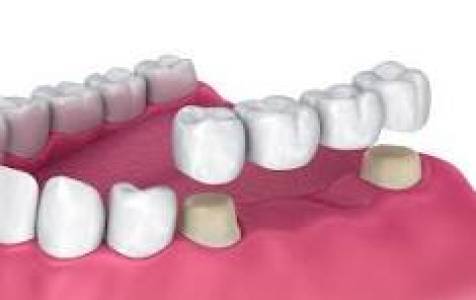
- A foundation is needed for single crowns or abutments for fixed partial dentures.
- Long-term stability and resistance to fracture are paramount.
Comprehensive Material Options
We offer a diverse range of post and core materials to meet every clinical requirement:
I. Dental Posts
- Fiber Posts (Glass Fiber, Quartz Fiber)
- Characteristics: Tooth-colored or translucent, flexible, excellent bond to adhesive resins, non-corrosive.
- Advantages:
- Esthetic: Blends seamlessly with tooth structure, ideal for anterior teeth.
- Elasticity: Modulus of elasticity similar to dentin, reducing stress concentration within the root and lowering the risk of root fracture.
- Bondability: Highly bondable with adhesive cements, creating a monoblock restoration.
- Biocompatibility: Metal-free and hypoallergenic.
- Retrievability: Easier to remove than metal posts if re-treatment is necessary.
- Ideal For: Anterior teeth, cases requiring metal-free restorations, situations demanding stress distribution.
- Metal Posts (Stainless Steel, Titanium, Gold Alloy, Cast Posts)
- Characteristics: Strong, rigid, radiopaque.
- Advantages:
- High Strength & Rigidity: Provides maximum support, especially for teeth under heavy occlusal loads.
- Time-Tested: Proven clinical track record over decades.
- Cast Posts: Custom-fabricated for precise fit within irregularly shaped root canals, offering superior retention.
- Disadvantages:
- Poor Esthetics: Can cause graying of overlying tooth structure and crown.
- Stress Concentration: Higher modulus of elasticity than dentin can increase the risk of root fracture.
- Corrosion Risk: Non-precious metals may corrode over time.
- Difficult Retrievability: More challenging to remove during re-treatment.
- Ideal For: Posterior teeth with heavy occlusal forces, situations where maximum rigidity and retention are paramount, especially with cast posts.
II. Core Build-up Materials
- Composite Resins (Dual-Cure or Light-Cure)
- Characteristics: Tooth-colored, strong, bondable to dentin and fiber posts.
- Advantages: Excellent esthetics, good mechanical properties, direct application, allows for immediate crown preparation.
- Ideal For: Most core build-ups, especially with fiber posts, and where esthetics are a concern.
- Glass Ionomer Cements (GIC) / Resin-Modified Glass Ionomer Cements (RMGIC)
- Characteristics: Fluoride release, chemical bond to tooth structure, biocompatible.
- Advantages: Fluoride release offers caries protection, good sealing properties, less technique-sensitive than composite.
- Ideal For: Less critical build-ups, situations with deep margins, or as a base layer.
- Amalgam
- Characteristics: High compressive strength, durable.
- Advantages: Excellent long-term clinical track record, cost-effective.
- Disadvantages: Poor esthetics, mercury content (decreasing use), requires moisture control.
- Ideal For: Posterior teeth where esthetics are not a concern and maximum strength is required (though less common today).
- Cast Metal Core
- Characteristics: Custom-fabricated in conjunction with a cast post.
- Advantages: Extremely strong, precise fit, provides optimal retention and resistance form.
- Disadvantages: Requires multiple appointments, high cost, poor esthetics.
- Ideal For: Severely compromised teeth, especially in posterior regions, requiring maximum strength and customized fit.
Why Choose Our Post & Core Solutions?
- Quality Assured: All products are manufactured under strict quality controls, adhering to international dental standards for safety and efficacy.
- Extensive Range: We offer a complete portfolio of post systems, core materials, and complementary luting agents to meet every clinical need.
- Clinical Proven: Our solutions are backed by research and developed with input from leading dental professionals, ensuring reliable and predictable results.
- Technical Support: Access to dedicated technical support and educational resources to help you integrate our products seamlessly into your practice.
Ordering Information
Browse our complete Post & Core catalog online at [Your Website Link]. Contact our sales team at [Phone Number] or [Email Address] for personalized recommendations, pricing, and distributor information. Available through authorized distributors worldwide.
Note: The selection of post and core materials and techniques should always be based on a thorough clinical assessment, individual patient needs, remaining tooth structure, occlusal forces, and the dentist's professional discretion. Always follow manufacturer's instructions for use for all components.