Description
Root Canal Treatment: Save Your Natural Smile & End Pain
Don't let severe tooth pain dictate your life. A root canal, also known as endodontic treatment, is a highly effective and common dental procedure designed to save a natural tooth that has become severely infected or inflamed. Far from the fearful reputation it once held, modern root canal therapy is often no more uncomfortable than a standard filling, thanks to advanced techniques and effective anesthesia.
What is a Root Canal?
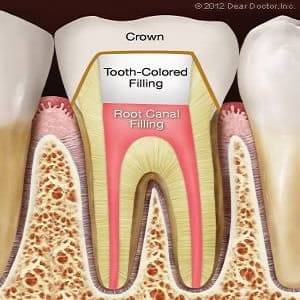
At the core of every tooth is the dental pulp – a soft tissue containing nerves, blood vessels, and connective tissue. When this pulp becomes infected or inflamed due to deep decay, repeated dental procedures, cracks in the tooth, or trauma, it can cause excruciating pain and lead to an abscess if left untreated. A root canal treatment involves:
- Removing the infected or inflamed pulp.
- Cleaning and shaping the inside of the root canal (the space within the root).
- Filling and sealing the space.
- Restoring the tooth with a crown or filling to protect it and restore its full function.
Key Benefits & Features
Choosing root canal therapy offers a multitude of advantages:
- ⚡ Immediate Pain Relief: Eliminates the source of the severe toothache.
- 🦷 Preserve Your Natural Tooth: Prevents the need for extraction, maintaining your natural bite and smile.
- 🚫 Eliminate Infection: Removes bacteria and inflamed tissue, preventing the spread of infection to other teeth or into the bloodstream.
- ✨ Restore Functionality: Allows you to chew and speak normally again without discomfort.
- 😁 Maintain Aesthetics: Keeps your smile complete and natural-looking, avoiding gaps that could affect adjacent teeth.
- ⏳ Long-lasting Solution: With proper care and a final restoration (often a crown), a treated tooth can last a lifetime.
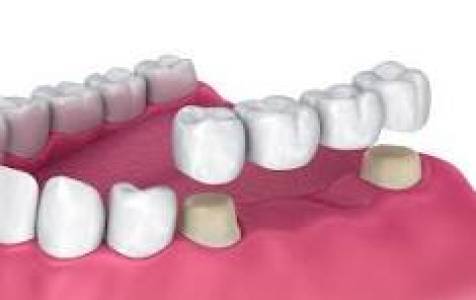
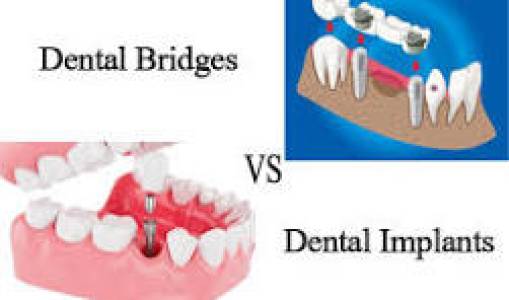
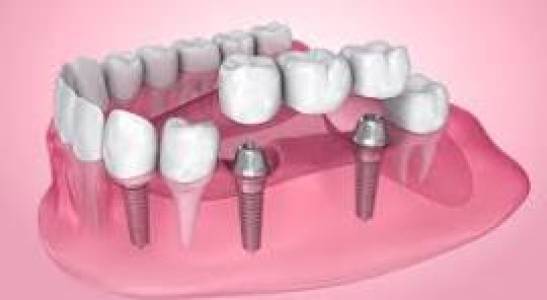
- 💰 Cost-Effective: Often a more affordable long-term solution compared to tooth extraction and replacement options like bridges or implants.
When You Might Need a Root Canal
You might be a candidate for root canal treatment if you experience any of the following symptoms:
- Persistent Toothache: Ranging from mild sensitivity to severe, throbbing pain.
- Sensitivity to Hot & Cold: Prolonged sensitivity, even after the hot or cold stimulus is removed.
- Swelling & Tenderness: In the surrounding gums or jaw.
- Pimple-like Bump (Fistula): On the gums near the affected tooth, indicating an abscess.
- Discoloration of the Tooth: The tooth may darken due to internal damage.
- Pain Upon Chewing or Pressure: Particularly when biting down.
- Deep Decay or Cracked Tooth: Leading to pulp exposure or infection.
- Trauma to the Tooth: Even without visible damage, the pulp can be injured.
The Root Canal Process: What to Expect
Our compassionate and skilled dental team prioritizes your comfort and understanding throughout the procedure.
- Thorough Diagnosis: We'll conduct a comprehensive examination, including X-rays, to accurately diagnose the problem and assess the extent of the infection.
- Anesthesia: We'll administer local anesthesia to numb the tooth and surrounding area completely, ensuring you feel no pain during the procedure. Sedation options are also available for anxious patients.
- Dental Dam Placement: A small protective sheet, called a dental dam, is placed around the tooth to isolate it, keeping it clean and free of saliva during treatment.
- Access Opening: A small opening is made on the top of the tooth (for molars/premolars) or the back (for front teeth) to access the pulp chamber and root canals.
- Pulp Removal & Cleaning: The infected or inflamed pulp is carefully removed using specialized instruments. The inside of the root canals is then thoroughly cleaned, disinfected, and shaped.
- Filling & Sealing: The cleaned root canals are filled with a biocompatible material, typically gutta-percha, and sealed with an adhesive cement to prevent reinfection.
- Temporary Filling: A temporary filling is placed in the access opening to protect the tooth until your permanent restoration.
- Permanent Restoration: In most cases, a dental crown is recommended after a root canal. This strengthens the tooth, protects it from fracture, and restores its natural appearance and function.
After Your Treatment: Recovery & Care
- Mild Sensitivity: It's normal to experience some mild sensitivity or soreness for a few days, especially when chewing. This can usually be managed with over-the-counter pain relievers.
- Avoid Chewing: Try to avoid chewing on the treated tooth until your permanent crown or filling is placed.
- Oral Hygiene: Maintain good oral hygiene with regular brushing and flossing.
- Follow-Up: Attend your scheduled follow-up appointments for the placement of your permanent restoration.
- Long-Term Success: With proper oral hygiene and regular dental check-ups, your treated tooth can last for many years, often a lifetime.
Why Choose Us for Your Root Canal?
- Experienced Professionals: Our dentists are highly trained and experienced in performing root canal therapy with precision and care.
- Advanced Technology: We utilize state-of-the-art equipment, including digital X-rays and rotary instruments, for efficient and effective treatment.
- Patient-Centered Comfort: We prioritize your comfort with local anesthesia, various sedation options, and a gentle approach.
- Sterile Environment: Adherence to the highest sterilization standards ensures a safe treatment experience.
- Personalized Care: We discuss all your options and create a treatment plan tailored to your specific needs.
Don't delay relief! If you're experiencing symptoms of an infected tooth, contact us today to schedule a consultation. Let us help you end your pain, save your tooth, and restore your healthy, confident smile.
Call Us Today at [Your Phone Number] or Visit Our Website at [Your Website Address] to Book Your Appointment!