Description
Here's a detailed product description for Dental Fillings, formatted in Markdown:
Dental Fillings: Restore Your Smile, Protect Your Health
Preserve Your Oral Health with Effective Dental Fillings
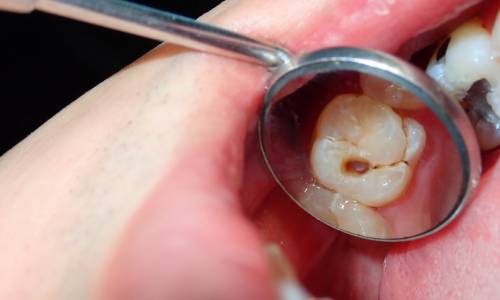
Dental fillings are a cornerstone of restorative dentistry, designed to repair teeth damaged by decay, fractures, or cracks. By filling the void left after removing damaged tooth structure, fillings restore the tooth's form, function, and integrity, preventing further decay and potential complications like pain, infection, or tooth loss.
Whether you're experiencing sensitivity, visible holes in your teeth, or simply need to address existing decay, our range of dental filling options provides a durable and aesthetic solution tailored to your specific needs.
Why Choose Dental Fillings?
Opting for a dental filling offers numerous benefits for your oral health and overall well-being:
- Halts Decay Progression: Fills the cavity, stopping the advance of tooth decay and preventing further damage to the tooth structure.
- Restores Tooth Function: Allows you to chew and speak comfortably without pain or discomfort.
- Alleviates Pain & Sensitivity: Reduces or eliminates sensitivity to hot, cold, and sweet stimuli often associated with cavities.
- Prevents Further Damage: Protects the weakened tooth from fracturing or needing more extensive treatments like root canals or extractions.
- Enhances Aesthetics: Modern tooth-colored options seamlessly blend with your natural teeth, improving the appearance of your smile.
- Long-Lasting Solution: With proper care, dental fillings can last for many years, providing a durable restoration.
Types of Dental Fillings
We offer a variety of dental filling materials, each with unique advantages, to best suit your clinical needs, aesthetic preferences, and budget:
1. Amalgam (Silver) Fillings
- Description: A traditional and highly durable filling material made from a mixture of metals, including silver, tin, copper, and mercury. Amalgam fillings are known for their strength and longevity.
- Pros:
- Extremely Durable: Can withstand strong chewing forces, making them ideal for back teeth.
- Cost-Effective: Generally the least expensive filling option.
- Long-Lasting: Often last 10-15 years or more with good care.
- Moisture Tolerant: Easier to place in areas that are difficult to keep dry.
- Cons:
- Visible: Silver color stands out against natural tooth structure.
- Expansion/Contraction: Can expand and contract with temperature changes, potentially leading to cracks over time.
- Mercury Content: While deemed safe by major dental organizations, some patients prefer mercury-free options.
- Requires More Tooth Removal: To create adequate retention, more healthy tooth structure might need to be removed compared to composite.
2. Composite (Tooth-Colored Resin) Fillings
- Description: Made from a mixture of plastic and fine glass particles, these fillings are designed to match the exact shade of your natural teeth, offering an aesthetically pleasing restoration.
- Pros:
- Aesthetic Appeal: Blends seamlessly with natural teeth, making them virtually undetectable.
- Versatile: Can be used for both front and back teeth, and also to repair chipped or broken teeth.
- Conservative: Requires less removal of healthy tooth structure compared to amalgam, as they bond directly to the tooth.
- Mercury-Free: A preferred choice for those seeking alternative materials.
- Cons:
- Less Durable than Amalgam: May not last as long as amalgam in areas of very high chewing pressure.
- Staining: Can stain over time from coffee, tea, and other dark foods, similar to natural tooth enamel.
- Higher Cost: Generally more expensive than amalgam fillings.
- Sensitive Placement: Requires a very dry environment for optimal bonding and longevity.
3. Ceramic (Porcelain) Fillings
- Description: Made from high-quality porcelain material, ceramic fillings (often referred to as inlays or onlays) are custom-made in a dental lab before being bonded to the tooth. They are renowned for their strength and natural appearance.
- Pros:
- Superior Aesthetics: Mimics the translucency and texture of natural tooth enamel beautifully.
- Highly Durable: Very strong and resistant to wear and tear, especially inlays and onlays.
- Stain-Resistant: More resistant to staining than composite fillings.
- Biocompatible: Well-tolerated by gum tissues and highly resistant to plaque accumulation.
- Cons:
- Higher Cost: Most expensive filling option due to materials and lab fabrication process.
- Multi-Visit: Typically requires two appointments (one for preparation and impression, one for bonding).
- Brittle: Can be more brittle than composite or amalgam, requiring careful placement to avoid fracture.
4. Glass Ionomer Fillings
- Description: Made from a combination of acrylic and a specific type of glass, these fillings are often used for small cavities, primary (baby) teeth, or near the gum line. A unique benefit is their ability to release fluoride.
- Pros:
- Fluoride Release: Helps prevent further decay around the filling.
- Good for Children: Often used for pediatric patients due to fluoride release and good biocompatibility.
- Bonds to Tooth: Chemically bonds to the tooth structure.
- Less Invasive: Requires minimal tooth preparation.
- Cons:
- Less Durable: Not as strong or wear-resistant as composite or amalgam, making them less suitable for high-stress areas.
- Less Aesthetic: Can appear more opaque than composite or ceramic.
- Shorter Lifespan: Generally have a shorter lifespan compared to other filling materials.
The Dental Filling Procedure
A dental filling procedure is typically straightforward and completed in a single visit:
- Numbing: The area around the affected tooth is numbed with a local anesthetic to ensure comfort.
- Decay Removal: The decayed portion of the tooth is carefully removed using specialized dental instruments.
- Cleaning: The cavity is thoroughly cleaned to remove bacteria and debris.
- Filling Placement: The chosen filling material is applied to the cavity. For composite fillings, the material is layered and hardened with a special light.
- Shaping & Polishing: The filling is carefully shaped to match the natural contours of your tooth and polished to ensure a smooth, comfortable finish that doesn't interfere with your bite.
Care & Maintenance for Your Fillings
To maximize the longevity of your dental fillings and maintain optimal oral health:
- Practice Excellent Oral Hygiene: Brush twice daily and floss once a day.
- Regular Dental Check-ups: Visit your dentist every six months for professional cleanings and examinations.
- Avoid Hard Foods: Be cautious with extremely hard candies, ice, or nuts that could chip or damage your filling.
- Address Grinding/Clenching: If you clench or grind your teeth (bruxism), your dentist may recommend a nightguard to protect your fillings and natural teeth.
- Watch for Signs of Wear: If you notice any sensitivity, rough edges, or changes in your bite, contact your dentist promptly.
Is a Dental Filling Right for You?
If you suspect you have a cavity, are experiencing tooth pain, or have been advised by your dentist that you need a filling, it's crucial to address it promptly. Ignoring a cavity can lead to more extensive decay, severe pain, infection, and eventually, the need for more complex and costly treatments.
Take the First Step Towards a Healthier Smile!
Don't let tooth decay compromise your oral health. Schedule a consultation with our experienced dental team today. We'll assess your condition, discuss the best filling options for your needs, and help you achieve a pain-free, healthy, and beautiful smile.
Contact us to book your appointment!
Disclaimer: The information provided in this product description is for general knowledge and informational purposes only, and does not constitute medical advice. Always consult with a qualified dental professional for diagnosis, treatment, and personalized recommendations regarding your specific dental health needs.