
Has a previously treated tooth started causing you pain, swelling, or discomfort again? A root canal treatment is highly effective, but sometimes, a tooth may not heal as expected, or new problems can emerge months or even years later. When this happens, a Re-root Canal Treatment offers a vital opportunity to save your natural tooth and restore your oral health.
At [Your Clinic Name/Practice Name], we specialize in advanced endodontic procedures, including meticulous re-treatment of root canals. Our goal is to alleviate your pain, eliminate infection, and give your tooth the best possible chance for long-term survival, avoiding extraction.
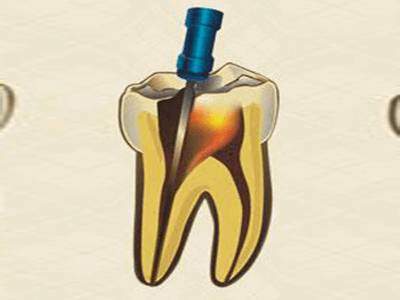
Re-root Canal Treatment, also known as Endodontic Retreatment, is a specialized procedure performed on a tooth that has previously undergone a root canal but has developed new issues. It involves carefully reopening the tooth, removing the old filling materials, thoroughly cleaning and disinfecting the complex internal anatomy, and then refilling and sealing the root canal system.
Several factors can lead to the need for a re-treatment:
We utilize state-of-the-art imaging technology, including 3D Cone Beam Computed Tomography (CBCT) scans and digital X-rays, to gain a highly detailed view of your tooth's internal structure. This allows us to identify previously missed canals, detect subtle fractures, and precisely map out the intricate anatomy, which is crucial for successful re-treatment.
Our endodontists (root canal specialists) possess extensive experience and advanced training in complex root canal procedures, including re-treatments. Their expertise allows them to navigate challenging cases with precision and a higher success rate.
We employ cutting-edge tools to enhance treatment efficacy and patient comfort: * Dental Operating Microscope: Magnification and illumination are critical for visualizing tiny canals and removing old filling material and calcifications. * Ultrasonic Instrumentation: Used for precise removal of old materials and calcifications, and for activating irrigants for thorough disinfection. * Nickel-Titanium Rotary Instruments: Advanced files for efficient and accurate shaping of the root canals. * Apex Locators: Electronic devices to accurately determine the length of the root canal, ensuring complete cleaning and filling.
Your comfort is paramount. We offer various sedation options (e.g., nitrous oxide, oral sedation) in addition to local anesthesia to ensure a comfortable and anxiety-free experience during your procedure.
The success of a re-treatment hinges on the complete removal of old materials and the thorough disinfection of the root canal system. Our meticulous approach ensures that all infected tissue and bacteria are eliminated, preventing future complications.
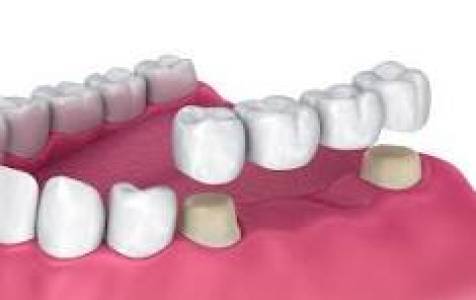
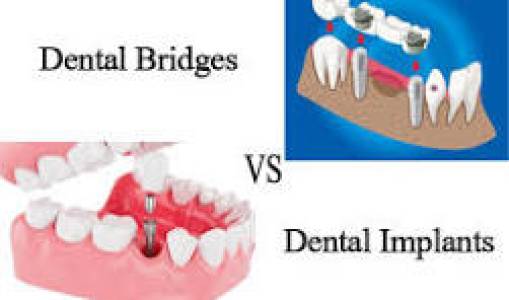
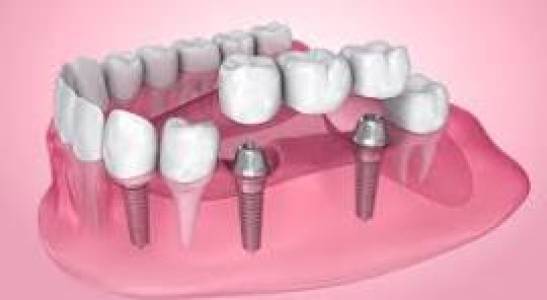
Our primary goal is to save your natural tooth. A successful re-root canal can preserve your tooth for many years, maintaining your natural bite, chewing function, and aesthetic appearance, thereby avoiding the need for costly and invasive tooth replacement options like implants or bridges.
We work closely with your general dentist. After your re-treatment is complete, we'll ensure seamless communication regarding your follow-up care and the final restorative steps (e.g., crown placement) needed to protect your newly treated tooth.
It's common to experience some mild sensitivity or discomfort for a few days after the procedure, which can typically be managed with over-the-counter pain relievers. We'll provide detailed post-operative instructions to ensure a smooth recovery. It is crucial to return to your general dentist for the final permanent restoration to protect the treated tooth from fracture and re-infection.
Don't let a failing root canal compromise your health and comfort. If you suspect you may need a re-root canal, or if you've been referred by your general dentist, contact us today. Our dedicated team is here to provide you with the highest standard of care.
Schedule Your Consultation Today! Or call us at [Your Clinic Phone Number]. Visit us at [Your Clinic Website].
Disclaimer: This information is for educational purposes only and does not constitute medical advice. Please consult with a qualified dental professional for personalized diagnosis and treatment recommendations.